
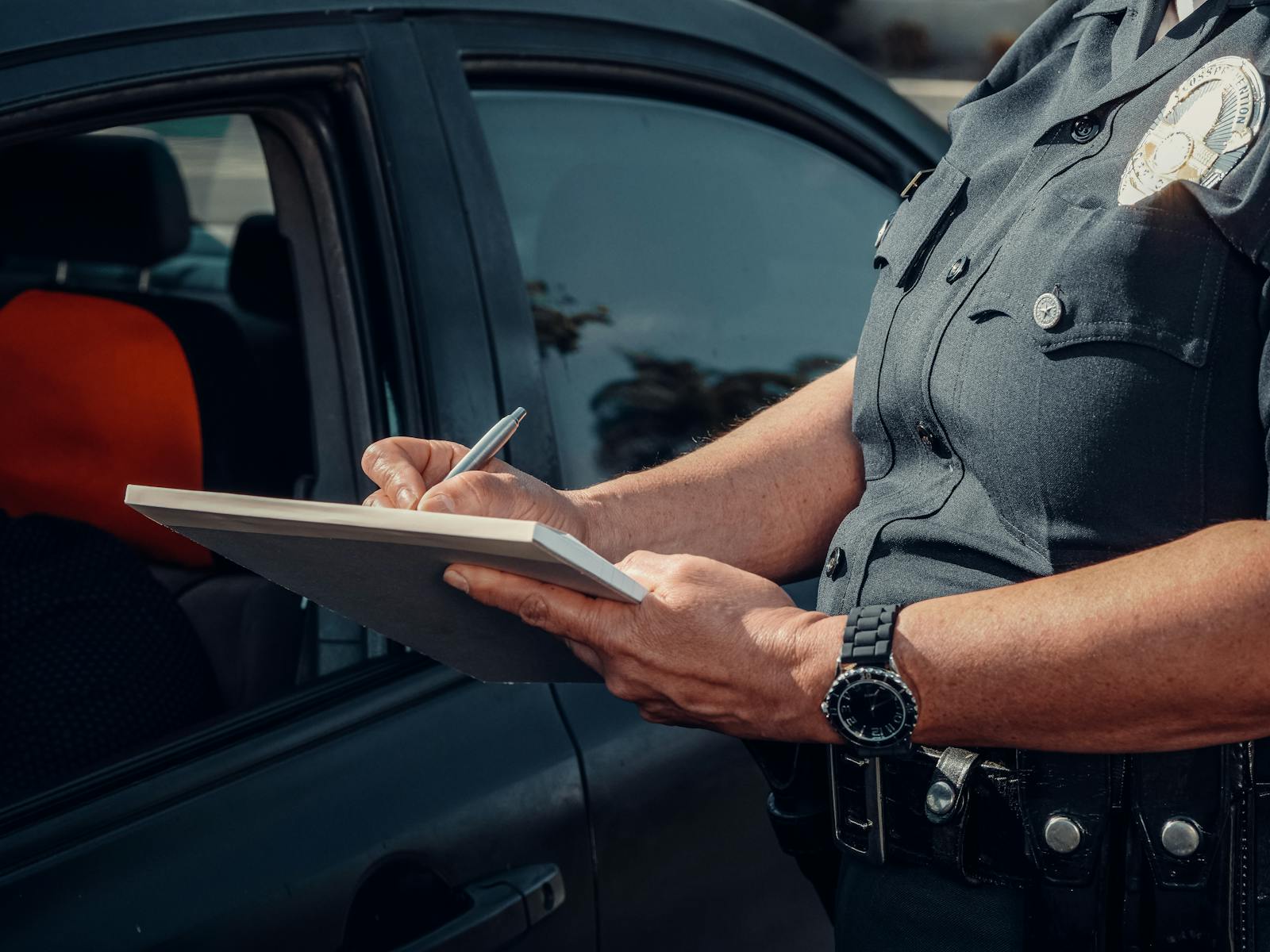

You can be driving perfectly fine and still feel that little jolt when you spot a patrol car in your mirror. It’s not always about speeding or doing something “wrong.” Sometimes it’s your car itself—how it looks, sounds, or signals (or doesn’t)—that makes an officer take a second look.
Think of it like this: police are trained to notice patterns and quick cues. Certain car-related details suggest a higher chance of violations, unsafe driving, or a vehicle that doesn’t belong where it is. Here are six common things that tend to grab attention, for better or worse.
1) A broken light (even if everything else is perfect)
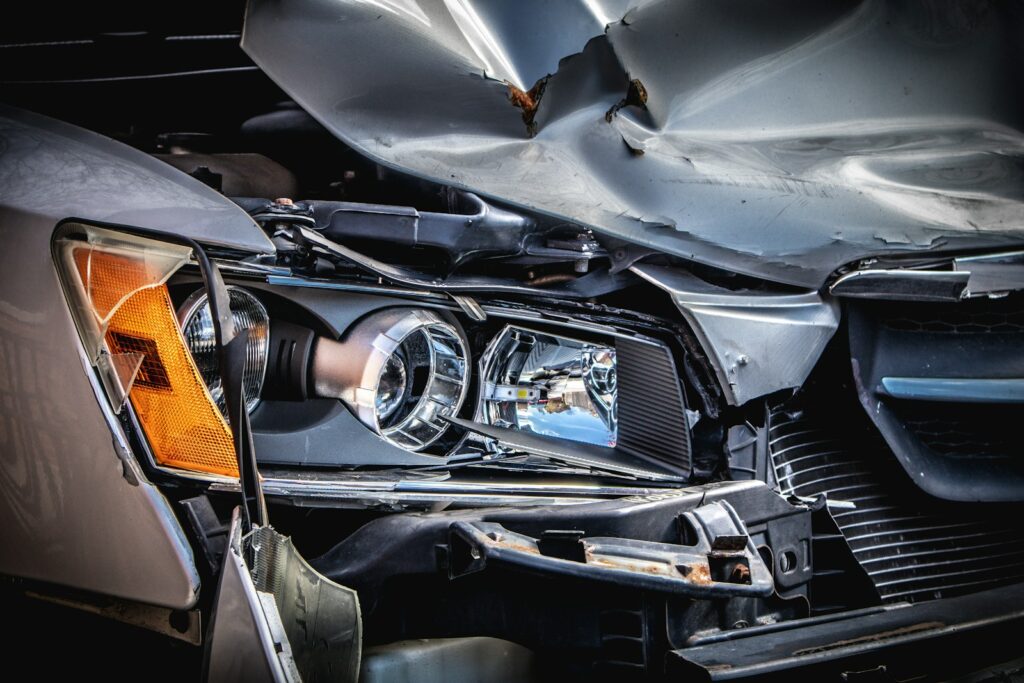
Burned-out headlights, brake lights, or turn signals are classic “easy spot” issues. Officers don’t need radar or fancy equipment to notice a tail light that’s out—especially at night, in the rain, or in stop-and-go traffic. And yes, you can be pulled over for a single light that’s not working.
The annoying part is that these problems often aren’t obvious from the driver’s seat. If you’re not in the habit of checking your lights, you might be rolling around with a dead bulb for weeks. A quick walk-around once in a while (or asking a friend to confirm your brake lights) can save you the hassle.
2) An obscured, bent, or “decorated” license plate
License plates are basically a car’s name tag, and officers care a lot about being able to read them quickly. A tinted plate cover, a plate shoved behind a tow hook, a bracket that blocks the state name, or even heavy grime can draw attention. It can look like you’re trying to hide something, even if you’re just trying to protect your plate from road salt.
Even novelty frames can cause trouble if they cover required info. Laws vary by state, but if an officer can’t easily read the numbers or registration sticker, that’s often enough to justify a stop. If you love your “My Other Car Is a Burrito” frame, just make sure it’s not blocking anything important.
3) Dark window tint that looks a little too dark
Window tint is one of those things that can be totally normal… right up until it isn’t. If your tint looks darker than what’s legal in your area, it can attract attention fast—especially on the front windows. From an officer’s perspective, dark tint also makes it harder to see inside the vehicle, which can raise safety concerns during a traffic stop.
Plenty of people buy cars secondhand and don’t realize the tint is non-compliant. If you’ve ever wondered why your car feels like a movie-star privacy booth, it might be worth checking your local rules. Getting tint measured at a shop is usually quick and can save you from tickets (or being told to remove it).
4) “Loud” cues: exhaust, music, or rattly problems you’ve learned to ignore
A car that’s loud stands out, and standing out is basically the opposite of being invisible to police. A modified exhaust, missing muffler, aggressive pops and bangs, or even a rough-sounding engine can make an officer curious. Sometimes it’s about noise ordinances; sometimes it’s about the suspicion that the car’s been modified in illegal ways.
And it’s not just exhaust—blasting music that shakes the windows at the stoplight can do it, too. If you’ve got a rattle you’ve mentally filed under “future me will deal with that,” just know it might also be broadcasting, “This vehicle might have maintenance or equipment issues.” Not always fair, but that’s how attention works.
5) A cracked windshield or visibly unsafe equipment
Some cracks are small and harmless, but others can be considered a safety issue—especially if they obstruct the driver’s view. If an officer sees a long crack stretching across your line of sight, that can prompt a stop. Worn tires, missing mirrors, dangling bumpers, or anything that looks like it might fall off at speed can also draw the eye.
From the outside, officers are making quick judgments: “Is this car safe to be on the road?” If your vehicle looks like it’s one pothole away from shedding a fender, it may get extra scrutiny. Even if you’re driving carefully, the car itself is giving off a different vibe.
6) Driving a car that matches common “interest” patterns
This one’s a little uncomfortable, but it’s real: certain cars get watched more. Some models are stolen more frequently, some are popular for street racing or aggressive driving, and some are associated—fairly or unfairly—with certain behaviors. A sporty coupe with fresh modifications, a car with mismatched panels, or a vehicle that looks recently “re-keyed” can draw attention even before you do anything.
Time and place matters, too. Driving late at night in a high-theft area in a car that’s frequently targeted can increase the odds you’ll be noticed. It doesn’t mean you’ll automatically be pulled over, but it can mean you’re starting with the spotlight already pointed in your direction.
How to keep attention off your car (without driving like a monk)
You don’t need to make your car boring—you just want it to look legal, safe, and straightforward. Keep your lights working, your plate readable, and your windshield clear. If you modify your car, double-check local rules on tint, exhaust, and plate placement so you’re not accidentally turning your ride into a rolling invitation for a stop.
And if you do get pulled over, remember that small fixes go a long way. Many equipment-related stops happen because something looks off, not because an officer thinks you’re up to no good. A $10 bulb and five minutes in the driveway is a lot cheaper than the time, stress, and paperwork that comes with being “noticed.”
More from Steel Horse Rides: