
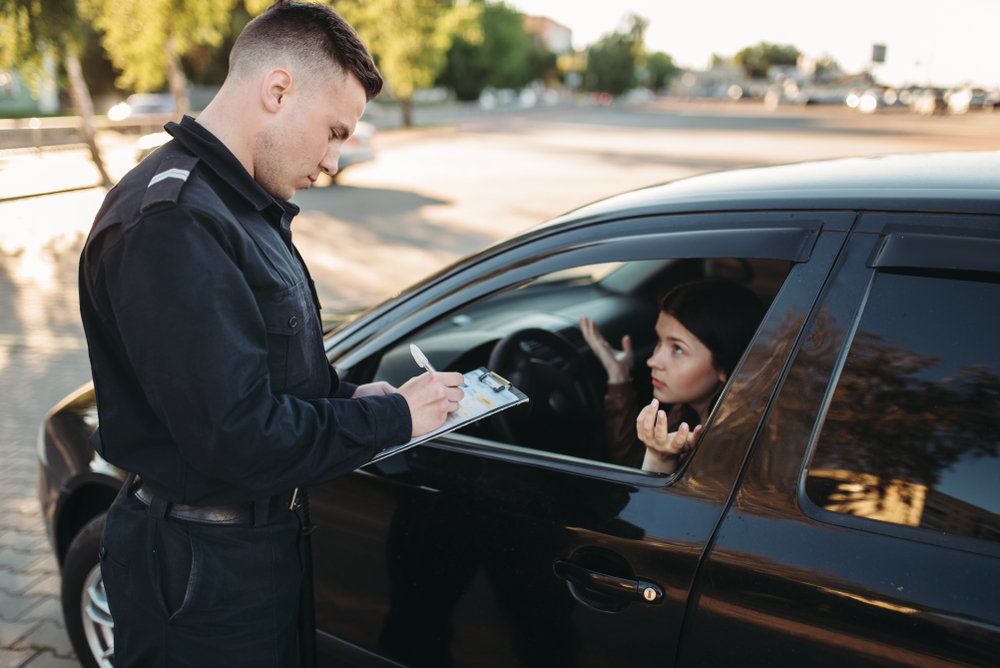

Ever feel like your car has a magnet for flashing lights? You’re cruising along, minding your business, and somehow you’re the one getting the “sir/ma’am, do you know why I stopped you?” treatment. While some stops are just bad luck or mistaken identity, a lot of them come down to what your car is quietly broadcasting to everyone around you—especially police.
Here are six surprisingly common reasons your vehicle might be attracting extra attention, even when you’re not trying to be “that driver.”
1) A burned-out light (and yes, they notice)
One dead headlight, a brake light that’s out, or a turn signal that’s blinking like it’s had three coffees can be all it takes. Equipment violations are among the easiest, cleanest reasons for an officer to initiate a stop. And they’re often visible from far away, which means you might be “on the radar” before you even realize there’s an issue.
The frustrating part is you might not know a light is out—especially brake lights. A quick walk-around once a week (or asking a friend to tap the brakes while you check) can save you the hassle. Bonus: replacing a bulb is usually cheaper than the time you’ll spend pulled over on the shoulder.
2) Dark window tint that screams “pull me over”
Tint is one of those things that looks great, keeps the car cooler, and can still be a headache if it’s too dark for your state’s rules. Many officers pay attention to tint because it can affect visibility and safety during a stop. If your front windows are basically sunglasses for your car, don’t be surprised if it draws interest.
What makes this extra tricky is that tint laws vary a lot by state—and even by vehicle type. If you bought the car used or had tint installed somewhere that didn’t care about compliance, you could be driving around with an automatic conversation starter. If you’re not sure, many shops can measure it with a tint meter in a minute.
3) License plate issues: missing, obscured, or “creative”
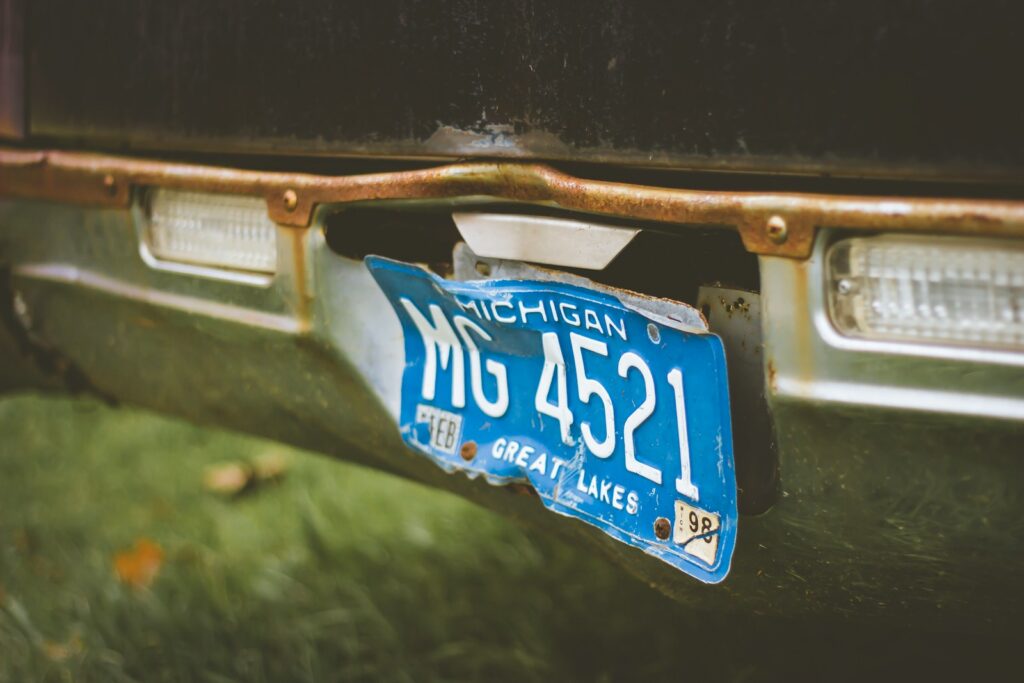
Cops love a readable plate. If yours is covered by a tinted plate cover, blocked by a bike rack, framed so tightly it hides the state name, or coated in road grime, you’re giving an officer a very simple reason to stop you. Even “expired tags” (or tags placed in the wrong spot) can trigger attention fast.
And then there are novelty plates, altered plates, or anything that looks like it might not be legit. You might see it as personality; an officer might see it as a compliance issue. Keeping your plate clean, properly mounted, and fully visible is one of the easiest ways to blend back into the traffic crowd.
4) Your car matches a “type” officers watch more closely
Some cars just get profiled more than others—sometimes fairly, sometimes not. Sporty coupes, heavily modified imports, loud muscle cars, and certain older models that are commonly used in street racing scenes can attract extra scrutiny. It’s not that you’re doing anything wrong; it’s that your car looks like it might.
The same goes for vehicles associated with theft trends. If a particular make/model is frequently stolen in your area, officers may pay closer attention to those cars, especially at night. It’s annoying, but being aware of the perception can help you decide which “mods” are worth it and which ones just buy you more roadside small talk.
5) Modifications that are loud, flashy, or not street-legal
A roaring exhaust, extremely bright aftermarket headlights, underglow lighting, overly reflective wraps, or a lifted suspension that looks like it could climb a building—these things are attention-grabbers. And attention-grabbers tend to get attention from law enforcement, too. Even if the modification is legal, it can still act like a big neon sign saying, “Look at me.”
Headlights are a sneaky one. If you’ve installed LEDs in a housing not designed for them, you might be unintentionally blinding other drivers, which can lead to stops and complaints. If you love customizing your ride, it’s worth checking local rules (and installation quality) so your upgrades don’t become your weekly ritual of explaining yourself on the shoulder.
6) Driving patterns that look suspicious—even if you’re innocent
Here’s the uncomfortable truth: officers don’t just stop cars, they stop situations. Rolling a stop sign “just a bit,” drifting within your lane, braking erratically, or driving well under the speed limit can raise eyebrows. So can circling the same block, pulling into parking lots and back out, or lingering near closed businesses late at night.
Sometimes there’s a totally innocent explanation—you’re lost, your GPS is acting up, you’re looking for a house number, or you’re driving extra cautiously in bad weather. But from the outside, that can resemble impaired or distracted driving. Smooth, predictable driving is boring, and boring is exactly what you want when you’re trying to avoid unnecessary attention.
A quick reality check (and a few easy fixes)
Not every stop is your fault, and not every stop is “about” what it seems to be about. But you can reduce your odds by tightening up the basics: make sure every light works, ditch questionable plate covers, confirm your registration is current, and keep your windshield free of cracks or dangling objects that block your view. If you’ve got tint or mods, check whether they’re actually legal where you drive—not where you wish you drove.
If you feel like you’re getting pulled over more than your friends, try a simple experiment: ask someone to walk around your car at night while you hit the brakes, signals, and hazards. You’d be surprised how often the culprit is a $6 bulb or a plate frame you forgot you installed two years ago. The goal isn’t to make your car invisible—just less “interesting” to the people with lights on top.
More from Steel Horse Rides: