
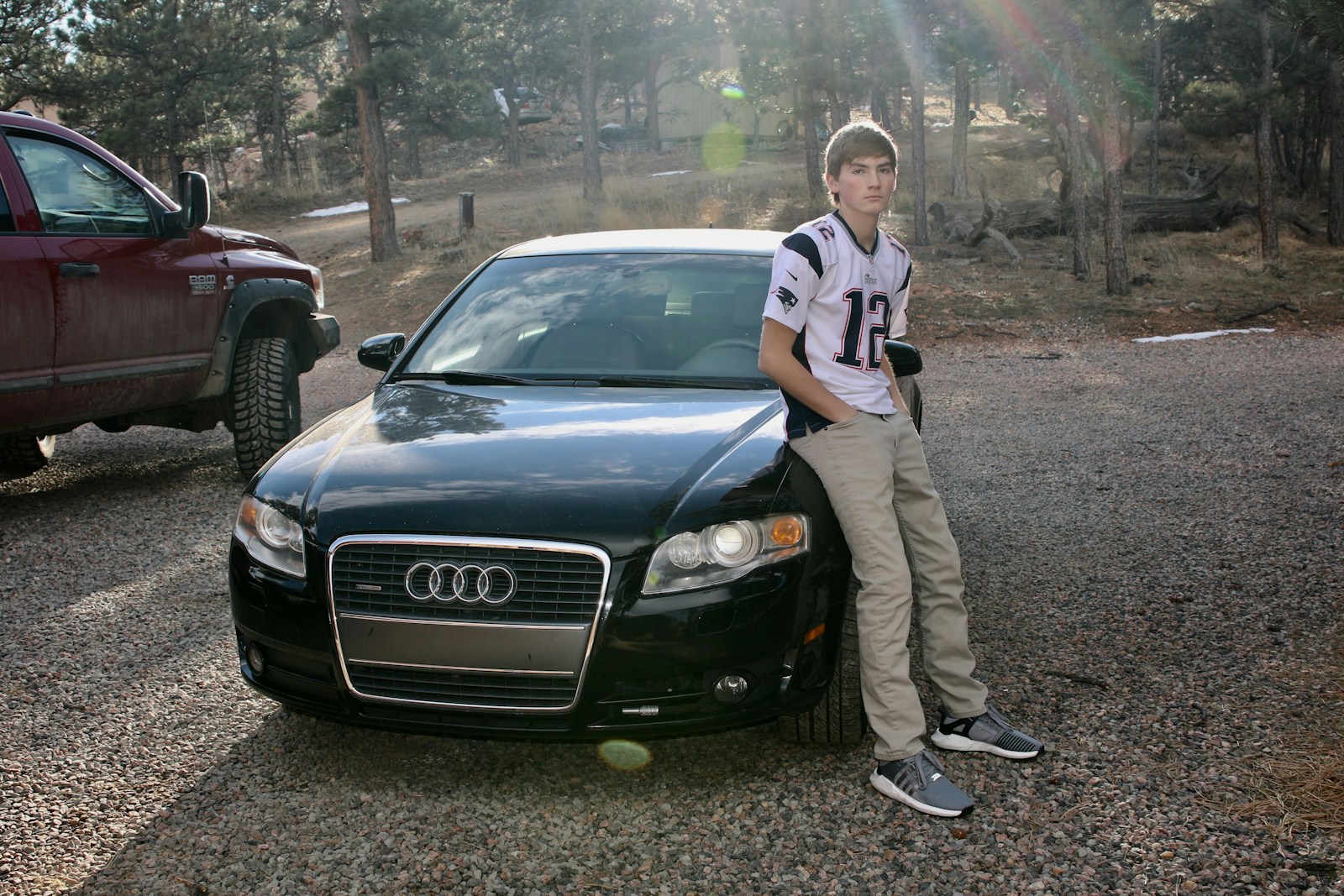

His parents presented it like a milestone: a “reliable first car,” something sensible that would keep him safe and get him to school, work, and wherever else a new driver wants to go. It wasn’t flashy, but that was the point—practical, paid for, and allegedly dependable. They even used that exact word, reliable, like it was a warranty stamped onto the hood.
For the first couple days, he tried to lean into the gratitude they expected. He cleaned the interior, adjusted the seat like a grown-up, and texted his friends a quick photo like, look, I’m official now. Then the car started doing the thing it would become famous for in his life: stalling at the worst possible times and refusing to start again, as if it took personal offense to schedules.
At first it was almost manageable—one weird no-start in the driveway, one jump from a neighbor, one late arrival he could laugh off. But once it happened enough times that he started building extra “car might betray me” minutes into his mornings, the joke dried up. When he finally missed a full day of school because he was stuck in a grocery store parking lot staring at a dead dashboard, the gratitude turned into a tight, simmering kind of panic.
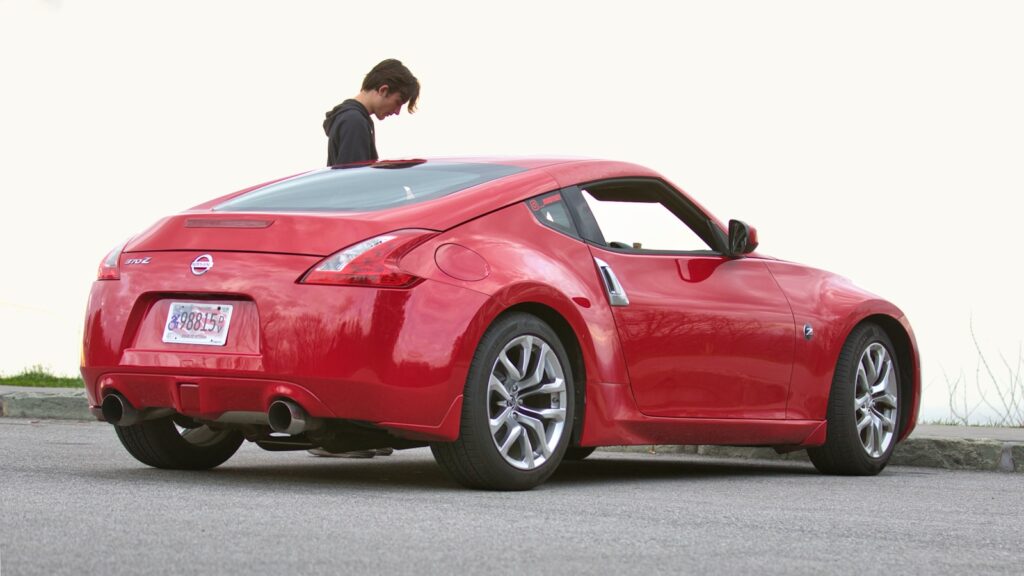
The “reliable” car starts collecting breakdown stories
The car wasn’t old enough to be some classic beater with a personality, but it acted like one anyway. Some mornings it cranked like it had slept great, and other mornings it clicked once and went blank, forcing him to do that humiliating thing where you sit behind the wheel pretending you’re “just checking something” while you’re actually debating who you can call.
He tried all the basics people tell new drivers: keep the tank above empty, don’t leave the lights on, wiggle the battery cables, listen for the starter. He learned quickly how to identify the sound of hope (a weak crank) versus the sound of doom (nothing at all). He also learned that being stranded hits different when you’re 17 and every adult assumes you did something dumb.
His parents’ first reaction was the standard shrug of people who think inconvenience is the same thing as a crisis. “Cars do that sometimes,” they told him, as if unpredictability was just part of the experience they were gifting him. The more he insisted something was wrong, the more they framed it as him being dramatic, impatient, or looking for an excuse to avoid responsibility.
School and work stop believing him
Once or twice, a late arrival can be brushed off with an apology and a sheepish smile. After the fourth or fifth time, he could feel the teachers’ faces change when he walked in—less annoyed, more skeptical. Even the friendly ones started giving him that “you need to get your life together” look, like he was staying up too late or skipping on purpose.
Work was worse because jobs don’t care about your origin story. He’d call in, explain that the car wouldn’t start again, and his manager would go quiet in that way that’s technically polite but also clearly keeping score. When you’re new and part-time, you don’t get infinite credibility; you get about two strikes before they stop arranging the schedule around you.
The teen started doing the humiliating math of contingency plans. If the car dies, can he get a ride fast enough? Does he have money for a rideshare? If he asks a friend again, will they still pick up or will they “not see it”? The “freedom” his parents promised started feeling like a leash that could tighten whenever the ignition decided to act up.
His parents keep pushing the blame back onto him
He kept asking them to take it seriously, and they kept answering like he was requesting something extravagant. When he brought up getting it checked by a mechanic, they insisted it had already been “looked over” before they bought it. The implication was clear: the car was fine when it entered the family, so if it wasn’t fine now, that was somehow on him.
It turned into this exhausting cycle where he’d get stranded, scramble to salvage the day, and then come home to a lecture. If he sounded frustrated, he got accused of being ungrateful. If he asked for help, he got told he needed to learn to handle his own problems. One night he tried to calmly explain that he was missing school and work, and his dad hit him with, “Well, maybe you should leave earlier,” like extra time could resurrect a dead battery.
There were also little digs that made it worse. If he mentioned the car dying in a parking lot, his mom would ask if he’d been blasting music with the engine off. If it stalled at a light, his dad would ask if he was “riding the brake” or doing something weird with the gear shift. None of it was said like a genuine question—it was said like a verdict delivered in the form of curiosity.
The breaking point happens in public, as usual
The moment that finally tipped it over wasn’t the first breakdown; it was the way the breakdown lined up perfectly with something he couldn’t afford to miss. He’d been scheduled for a shift he’d already swapped to cover, the kind of favor that makes you look dependable. He left early, stared at the car like it was a temperamental animal, and turned the key.
Click. Nothing. He tried again—click, nothing—then the weak sputter that felt like a taunt. He texted his parents and got a response that was basically, “Try again,” as if he hadn’t been trying for ten minutes with that awful sinking feeling in his stomach.
He ended up getting a ride, but not without the damage. He arrived flustered and late, and his manager didn’t yell—she just gave him fewer words, which was somehow worse. On the way home, still riding the adrenaline of embarrassment and anger, he told his parents he couldn’t keep doing this and the car needed a real inspection.
That’s when the argument finally stopped being about the car and became about control. His parents snapped back that they’d bought him a car and he should be thankful, that other kids didn’t even get that much. He said gratitude didn’t magically get him to school, and his mom fired back that he was acting “entitled” for demanding repairs they didn’t think were necessary.
When they finally check it, the answer isn’t satisfying
Eventually, the pressure of repeat failures forced their hand—not because they believed him, but because the situation was getting too loud to ignore. The teen kept documenting it: photos of the dash when it wouldn’t start, timestamps, messages to his boss, missed attendance notes. It wasn’t a dramatic “gotcha,” just a paper trail born out of being tired of not being believed.
When they did get someone to look at it, the explanation landed in the worst possible place: not catastrophic enough to feel vindicating, but real enough to prove he hadn’t been making it up. Depending on the day, it sounded like an electrical issue, a battery that tested “fine” until it didn’t, a parasitic drain, maybe a starter that was dying slowly. The kind of problem that makes people argue because it doesn’t come with one clear, cinematic failure.
And that ambiguity gave his parents room to keep doing what they’d been doing. They could acknowledge “something” was going on while still treating it like an inconvenience he was overreacting to. Meanwhile, he was still the one paying the social cost—apologizing to teachers, collecting side-eye at work, and trying to show up for a life that required transportation to function.
By the time the car was back in the driveway again, he wasn’t even excited to drive it. He’d sit there with the key in his hand and that dull dread in his chest, wondering if today was another day he’d have to explain himself to people who were already tired of hearing it. The most bitter part wasn’t the breakdowns; it was the way his parents could call it a gift while he was the one stranded on the side of the road, watching his reputation leak out one missed shift at a time.
More from Steel Horse Rides: