
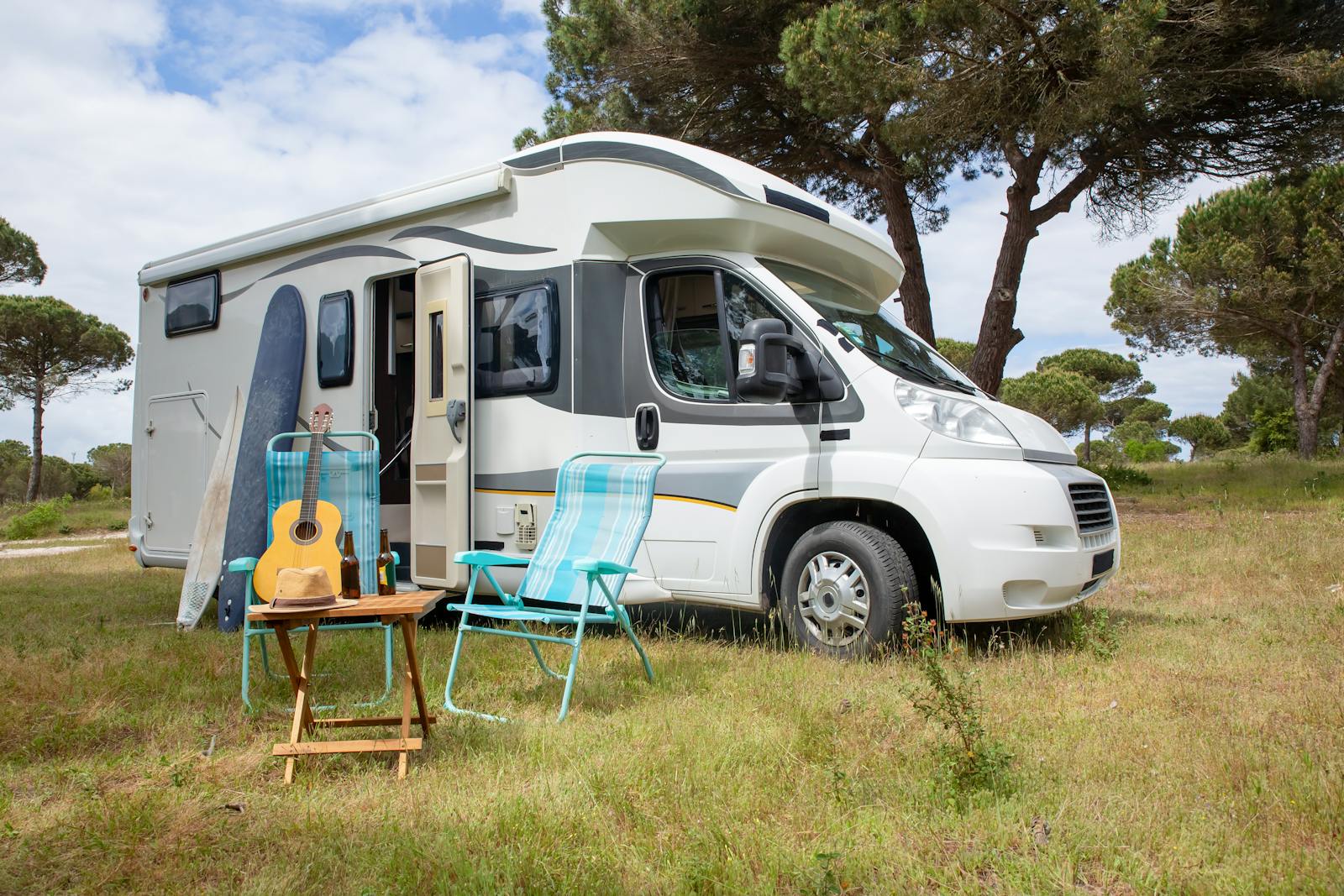

They’d been talking about it for years: sell the extra car, stop dumping money into rent, and buy an RV that could double as a tiny rolling home. The couple finally did it—brand-new rig, dealership walk-through, that new-plastic smell, the whole “we’re really doing this” glow.
The first trip was supposed to be easy. A short shakedown run to a state park a couple hours away, just to learn the systems without being stranded in the desert. They packed like it was a movie montage—fresh bedding, spices in labeled jars, a little rug for the entryway—trying to convince themselves they were the kind of people who did things like this.
They didn’t even make it to the campground. Somewhere between the last big gas station and the two-lane road that looked like it belonged on a postcard, the dashboard lit up like a Christmas tree. The engine started coughing, the RV lost power in a way that made the steering feel heavy and wrong, and suddenly their dream purchase was coasting onto the shoulder with semis blasting past like they were standing still.
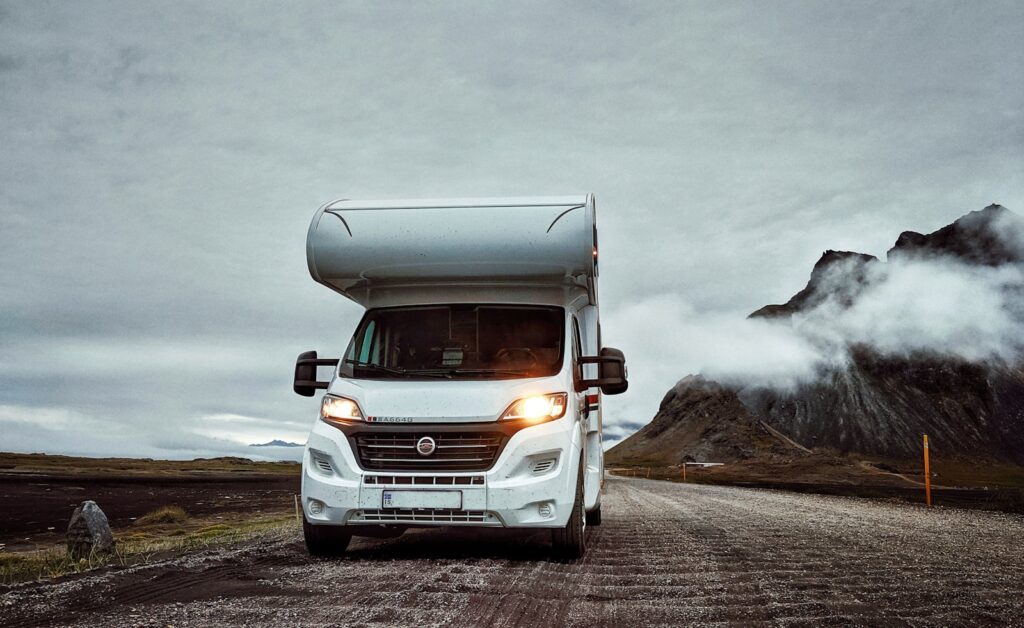
The Honeymoon Phase Lasts One Exit
It’s hard to overstate how confident they were when they pulled out of the dealer’s lot. The salesperson had done that breezy thing where every question gets an answer that sounds reassuring but not too specific. Yes, it’s ready. Yes, the warranty is solid. Yes, minor issues are normal, but this one’s “a great unit.”
They’d done the walk-through, nodded at the explanations, and tried to remember what every switch did. The dealer had tossed in a few freebies—hoses, a starter kit, a cheap surge protector—like party favors. By the time they merged onto the highway, they were arguing about fun stuff: which route had better scenery, what to name the RV, whether they should stop at that diner with the giant pie sign.
Then the warning lights started. At first it was one symbol they didn’t recognize, then another, then a message that looked like it was written by someone who hated joy. The driver tried the classic denial approach—turn the radio down, listen for a “real” problem—until the RV started sputtering and the denial turned into that cold, practical fear that comes with being very large and very slow in the wrong lane.
Shoulder of the Highway, New RV Smell, Old Problems
They got it onto the shoulder, hazards flashing, both of them sitting still for a second like if they didn’t move, maybe it would reset itself. One of them grabbed the manual. The other started calling the dealership, because obviously this was the dealer’s problem and they were going to fix it and everyone would laugh about it later.
The dealership didn’t pick up at first. It was after-hours, which felt insulting because the RV had barely graduated from their lot and already needed an adult. When someone finally answered, the tone was polite in that way that’s basically a wall: “We’re closed, but you can bring it in.”
“Bring it in” sounded hilarious from the shoulder of a highway where the RV wouldn’t start. That’s when tow logistics entered the chat. Not a regular tow—an RV tow, the kind that costs real money and always seems to require three phone calls, a special truck, and a driver who sighs loudly when you say the word “warranty.”
The couple’s mood split into two distinct coping strategies. One of them went into crisis-manager mode, calling roadside assistance and reading policy numbers out loud. The other started spiraling—quiet at first, then snappy—fixating on the thought that they’d just spent a life-changing amount of money and couldn’t even make it to a campsite.
The Dealer Says “Warranty,” the Warranty Says “Dealer”
Once they got the RV towed, they assumed the nightmare would downgrade to “inconvenient.” Instead, it became administrative combat. The dealer’s service department took the keys, asked them to describe the issue, and then started talking in the vague future tense: “We’ll take a look,” “We’ll see what the codes say,” “It can take a few days.”
When the couple asked whether it would be covered, the dealer’s answer was a smooth handoff. The RV was under warranty, so the warranty company would have to authorize repairs. The warranty company, on the other hand, wanted diagnostics, documentation, and proof that the problem wasn’t “pre-existing,” which is a fun phrase when the RV has basically only existed in their possession for a single afternoon.
The couple tried to do what everyone tries to do in these situations: keep calm, take notes, get names, follow up. But every call produced a different version of reality. One person said the claim was being processed. Another said no claim had been filed. The dealer hinted the warranty company was slow. The warranty company hinted the dealer hadn’t submitted the right paperwork.
Meanwhile, the RV sat. Their first planned night in it became a night on their couch at home, staring at a brand-new set of leveling blocks they hadn’t even used. The fun purchases—camp chairs, outdoor lights, a collapsible table—started looking less like “adventure” and more like evidence in a case.
Small Fights Turn Into Full-Scale Relationship Inventory
At first, their arguments were logistical: Who should call next? Did they already email that form? Why didn’t you get the extended roadside package like I said? Those fights have clear targets, and they usually end when someone caves or someone gets hungry.
Then it turned personal, like it always does when the stress is constant and the problem won’t sit still long enough to solve. One of them had been skeptical about buying new—thought they should’ve gone used and paid for an independent inspection. The other had pushed for new because it felt safer, more “adult,” less likely to surprise them.
Now the “safer” option was dead in a service bay, and both of them were using the situation to prosecute old arguments. Every phone call that went nowhere became proof. Every delay became a referendum on who’s better with money, who’s too trusting, who’s too negative, who always has to be right.
There’s a specific kind of resentment that grows when you can’t even enjoy being mad properly because you still need the other person to help fix it. They’d find themselves swapping tasks with a weird politeness—“Can you call them again?”—and then immediately snapping over the phrasing of an email like the email was the real enemy.
Paper Trails, Blame Games, and a Dream That Starts Feeling Like a Trap
The dealer eventually came back with a diagnosis that sounded both technical and somehow still slippery. Something in the drivetrain or engine management, something that required parts and authorization. The service advisor said it like it was normal, like RVs just occasionally decide they don’t feel like being RVs anymore.
Authorization became the choke point. The warranty company wanted photos and codes and reports. The dealer wanted approval before ordering parts. The couple wanted a timeline and kept getting that maddening phrase: “We don’t have an estimate yet.”
Money started bleeding out around the edges. The tow wasn’t fully covered because of a mileage cap they hadn’t noticed. The campground deposit was nonrefundable. They’d taken time off work for the trip, and now the time off was just… time off, except not relaxing.
Worse than the cash was the feeling of being handled. The couple started noticing how often people spoke to them like they were naive or impatient for no reason. They started documenting everything—dates, names, what was said—because they didn’t trust anyone’s memory anymore, including their own.
And because nothing makes people more intense than feeling ignored, they escalated in the only ways available: more calls, firmer emails, asking for managers, dropping phrases like “lemon law” without being sure it applied. The dealer heard “threats” and got colder. The warranty company heard “complaints” and got slower. The RV stayed put.
By the time a repair plan was supposedly in motion, the couple’s excitement had mutated into dread. They didn’t talk about road trips anymore. They talked about exit strategies: can they return it, can they trade it, can they refinance, can they survive owning something they don’t trust.
The ugliest part is that none of their anger had a clean landing spot. The dealer could always say they didn’t build the RV. The warranty company could always say they didn’t sell it. The manufacturer was a distant name on a document, impossible to reach without going through the same channels that were already failing them.
So the anger ricocheted between institutions and then back into the relationship, where it had access to everything tender. Their “dream RV” didn’t just break down on the first trip; it turned their shared plan into a shared stress test. And until somebody—anybody—takes clear responsibility and gives them a real timeline, they’re stuck with the same looping question, asked in a dozen different tones: did they buy a lemon, or did they buy a problem that’s going to follow them home no matter what gets fixed?
More from Steel Horse Rides: