
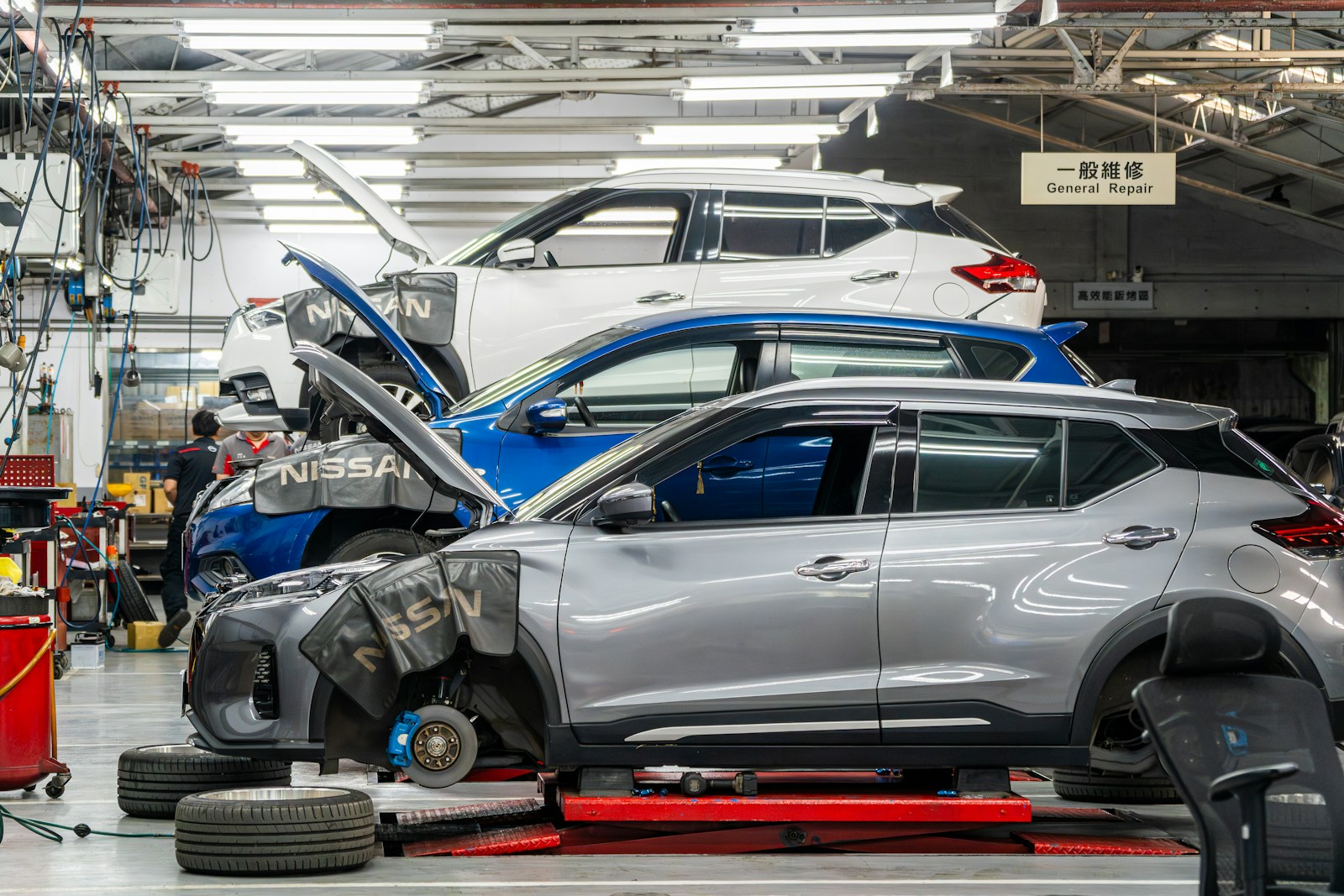

By the time Marissa realized she’d memorized the repair shop’s hold music, she was already deep into that special kind of stress that comes from being car-dependent and vaguely aware you’re getting played. Her sedan wasn’t a luxury, or even particularly nice. It was the thing that got her to work, got her groceries home, and kept her from begging rides from friends who were starting to “forget” to text back.
It started with a noise—an ugly grinding sound that showed up on turns, then a flicker of the battery light that made her stomach drop. She did what most people do: picked a local shop with decent reviews, a busy lot, and a guy at the desk who sounded confident in that “we’ve seen it all” way. He told her they’d squeeze her in, probably a couple days, maybe three if parts were slow.
Weeks later, her car still wasn’t back, and the shop had turned “a couple days” into a running series of excuses that always sounded plausible for about thirty seconds. Each call ended with the same vibe: she was inconveniencing them by asking about the thing she was paying them to do.
The Drop-Off: “We’ll Call You Tomorrow”
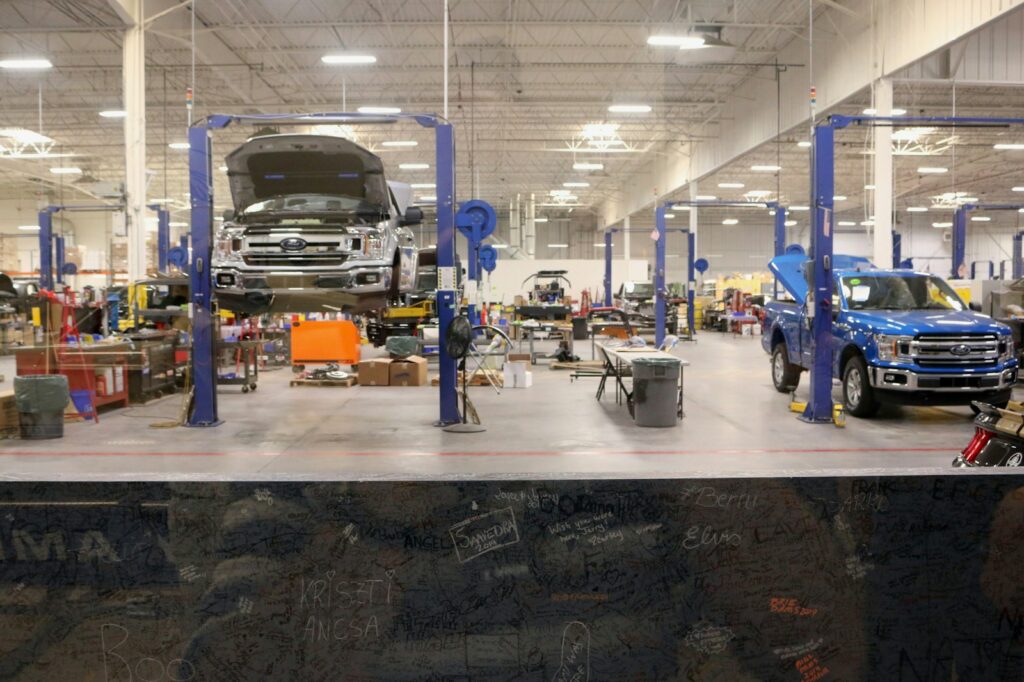
On day one, the place looked like every other independent repair shop: oil-stained concrete, a row of keys on hooks, and a tired Keurig in the waiting area. Marissa handed over her keys and did the awkward little rundown of symptoms while the service writer typed with two fingers. He nodded a lot, told her they’d diagnose it, and said the magic words: “We’ll call you tomorrow with an estimate.”
Tomorrow came and went. The day after that, she called, got put on hold, and was told they were “still looking at it,” like the car was a puzzling rash instead of a machine. When she asked if it was safe to drive, the guy went vague—“we don’t want you on the road until we know”—which sounded responsible, right up until you realize it’s also the perfect way to keep your car hostage without committing to anything.
By the end of the first week, she was already rearranging her life around not having a vehicle. She borrowed a coworker’s spare car once, paid for rides another day, and walked farther than she had in months. The shop kept saying the estimate was coming “later today.”
Excuse #1: Parts, Parts, Parts
When the estimate finally arrived, it was a jumble of terms and numbers delivered quickly, like they were reading from a script they didn’t want questioned. They suspected an alternator issue, maybe a bearing, possibly something with the serpentine belt system—hard to say until they got it “opened up.” Marissa agreed to the work because, at that point, she just wanted her car back and the problem sounded like a real problem.
Then the parts situation began. They told her the alternator they ordered arrived wrong. Then they said they were waiting on a specific belt “because the aftermarket ones squeal.” Then it was a backorder issue, then a shipping delay, then a supplier mistake. The story was always different, but it always ended with the same reassurance: “We should have it done by the end of the week.”
She tried to be the reasonable adult. Supply chains had been weird for years; everyone knew that. But the shop wasn’t saying, “Hey, here’s the tracking number, here’s the date.” They were saying, “Yeah, it’s coming,” with the same tone people use when they promise they’ll totally pay you back.
By week two, the calls started to feel like little negotiations. Marissa would ask for specifics; they’d respond with a sigh and a vague update; she’d push; they’d tell her the mechanic would call her back. He never did. She was always talking to whoever happened to answer the phone, and every person seemed to have a slightly different version of what was happening.
Excuse #2: “We Found Something Else”
Halfway through the third week, the shop pivoted. Now it wasn’t just the alternator. Now there was “another issue” they discovered once they “got in there,” something with the mounting bracket, something that meant extra labor. Marissa asked, reasonably, why they hadn’t mentioned it in the original estimate.
The response was that classic defensive customer-service move: they talked like she was being unfair for wanting clarity. “We can’t see everything until we take it apart.” “We’re just trying to do it right.” “Would you rather we slap it together?” The conversation ended with her agreeing to a little more money because, again, the alternative was what—tell them to stop and come tow the car somewhere else?
At this point she asked if she could come by and see the car, partly because she wanted to understand what was being done and partly because she was developing that creeping suspicion that nothing was being done. The person on the phone discouraged it—“It’s on the lift,” “the bay’s full,” “it’s kind of a mess right now”—and promised pictures later.
No pictures came. Just more “end of the week” promises that slid into the next week like they’d never been said.
The Visit: The Car That Didn’t Look Touched
Marissa finally did the thing everyone hates doing: she showed up in person. She’d been trying to be polite and patient and not “that customer,” and she realized none of it was getting her anywhere. She got a ride over on a lunch break, walked into the office, and asked, calmly, to speak to whoever was managing her repair.
The vibe shifted immediately. People at the counter can usually smell confrontation the way dogs smell fear. The service writer gave her the tight smile that says, “We were hoping you wouldn’t do this,” and disappeared into the back.
While she waited, she looked through the open bay door and scanned the lot for her car. When she spotted it, her stomach sank: it was parked in an overflow area behind a row of other vehicles, not up on a lift, not even backed into a spot like it was part of the day’s workflow. It looked…normal. No wheels off. No hood open. No parts in the front seat. Just a car sitting there like it had been abandoned at an airport.
She asked if she could see it, and instead of a simple yes, she got another stall: “Let me check,” “Hold on,” “It might be in a different spot.” They walked her out anyway, and there it was—dusty, untouched, with the same little leaf stuck under the wiper blade she remembered from the day she dropped it off.
The Admission: “Honestly, We Haven’t Gotten to It”
The manager finally appeared, and he didn’t come out swinging with an explanation. He came out tired, which somehow made it worse. Marissa asked a straightforward question: what exactly had been done to the car in the last three weeks?
That’s when the story collapsed. After some fumbling—talking about being backed up, a guy being out sick, “it’s been crazy lately”—he admitted the quiet part out loud: they hadn’t gotten to it. Not “we’re close,” not “we’re waiting on a final part.” Untouched. Sitting. The earlier talk about wrong parts and new discoveries suddenly sounded like they’d been making it up on the fly because “we’re behind” doesn’t feel like an acceptable answer when someone’s transportation is sitting in your lot.
Marissa didn’t explode, at least not in the cartoon way people imagine. She got cold. She asked why she’d been told multiple times that parts were delayed and that the mechanic was “in it.” She asked why they’d taken authorization for work they hadn’t actually started. The manager’s answer was a mess of half-apologies and vague blame, like the shop itself had lied to her, not the humans standing right there.
Then came the awkward money part. Depending on what they’d charged and how they’d logged it, she was suddenly worried she’d been billed for diagnostics they didn’t do, or parts they never ordered. The manager offered to “waive some fees” and said they could “get it in first thing tomorrow,” which was, at this stage, basically a dare.
Marissa said she wanted the car back. Not fixed—back. She didn’t trust them to touch it now, not after three weeks of stories that turned out to be smoke. They acted offended, the way people do when their own bad behavior forces them into a corner, and started warning her about towing risks and “you might be right back here.”
She arranged a tow anyway, and the shop made the release process weirdly slow. There were forms, a wait for the keys, a moment where someone “couldn’t find” the paperwork. The whole thing had the energy of a breakup where one person’s trying to drag out the conversation because they know the last word won’t make them look better.
By the time the tow truck backed up, Marissa wasn’t relieved so much as drained. She’d spent weeks planning her days around a repair timeline that never existed, second-guessing herself for being “pushy,” and swallowing excuse after excuse because each one was just believable enough to keep her from causing a scene.
And the part that stuck with her wasn’t even the inconvenience—it was the realization that the shop had chosen the easier lie over the uncomfortable truth, again and again, until the lie became their entire process. Her car hadn’t been waiting on parts or stuck in a complicated repair. It had been sitting in a dusty corner, while she was out there budgeting for rides and rearranging her life, wondering what was wrong with her for wanting straight answers.
More from Steel Horse Rides: