
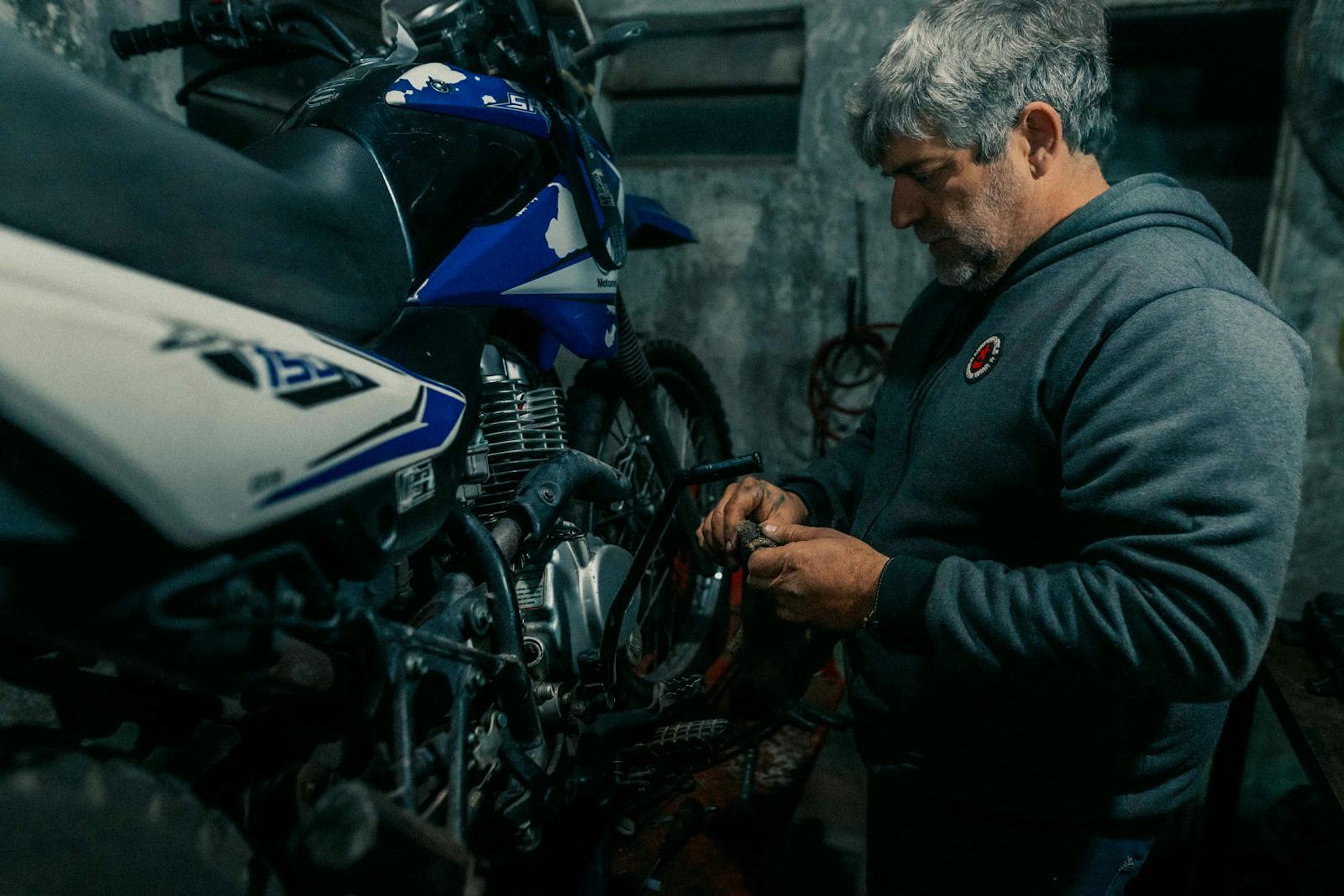

The kid was sixteen, almost seventeen, and he’d been doing that very specific teenage math where every shift at work turns into a car part in his head. Two nights a week bagging groceries, weekends bussing tables at a diner—nothing glamorous, just enough to watch his savings inch upward. His dad had been the one to make it feel possible, dangling this promise like a finish line: when the time came, he’d match whatever his son saved for a first car.
It wasn’t framed as some huge gift. More like a father-son rite of passage—work hard, learn money, get wheels, earn a little trust. The dad even got involved in the fun parts, sending links to used Civics and Corollas, pointing out “good miles” and “clean titles,” talking about how a reliable car beats a flashy one every time.
So by the time the teen hit his savings goal—enough that, with his dad’s match, he could actually buy something that wouldn’t die in a parking lot—the kid thought the hard part was over. All that was left was the awkward negotiation with strangers on Marketplace and the first insurance bill that makes your stomach drop. Then his dad walked into the garage one afternoon and casually detonated the whole plan.
The promise that became a plan
The son had been treating the deal like a contract, because that’s how it had been presented. His dad wasn’t vague about it—he’d said he wanted his son to “have skin in the game,” to learn discipline, to not just be handed keys. The teen took that seriously, skipping nights out and taking extra shifts when someone called off.
Every time the kid mentioned how close he was to his goal, his dad responded like a coach watching a runner hit their stride. “Keep going,” he’d say, or “You’re gonna be proud of yourself.” It built this weird little bubble of shared excitement, the kind families don’t always get when everyone’s busy and slightly annoyed all the time.
And it wasn’t like money was a forbidden topic in their house. The dad talked about bills, complained about inflation, made jokes about how everything cost double now. But he still kept acting like the car match was accounted for, like it was set aside somewhere, waiting.
Garage day and the motorcycle reveal
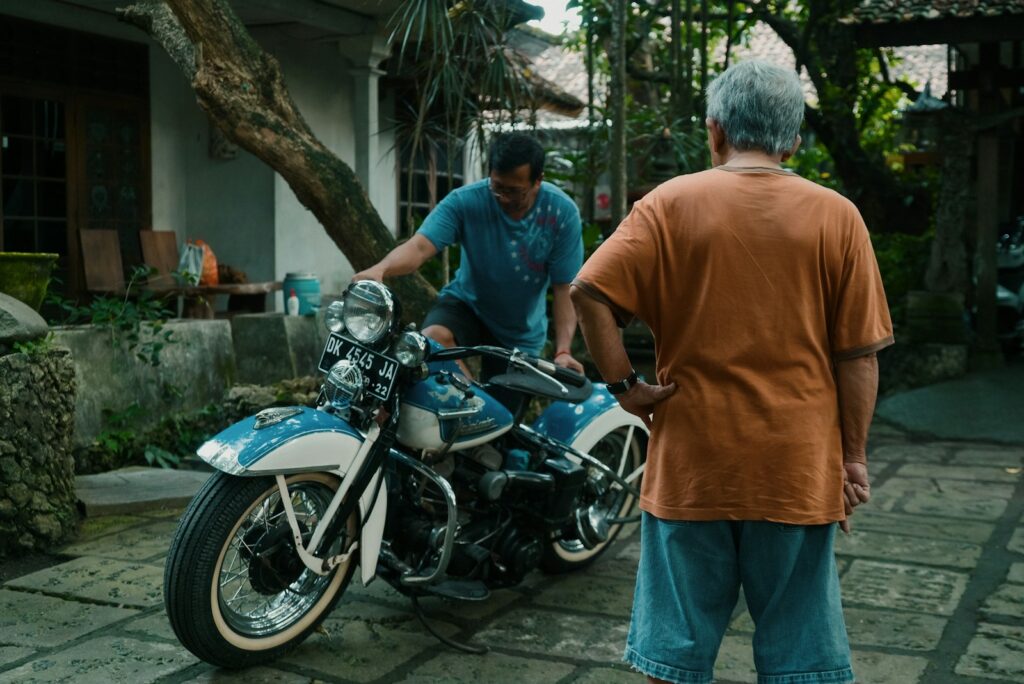
The motorcycle showed up on a random weekday like a surprise party nobody asked for. The dad rolled it into the driveway with that smug, breathless energy of someone who’s been sitting on a secret and can’t wait to be congratulated. It was one of those sleek, loud-looking bikes that screams “I’ve been watching too many videos of guys riding along coastal highways.”
The son didn’t even register what it meant at first. He just stared at it, taking in the shiny paint and the way his dad kept touching the handlebars like it was a prize. The dad was talking fast—how it was a “great deal,” how he’d “always wanted one,” how he wasn’t getting any younger and deserved something fun.
Then the kid asked the question that made the air go weird: “Wait… what about the money for my car?” The dad’s face did that quick flicker people get when they’ve been caught not thinking through the obvious consequence. He waved a hand like the teen was being dramatic and said something along the lines of, “We’ll figure it out,” as if the plan had always been flexible.
The son pressed, because how do you not? He asked where the matching money was, since he was ready to start shopping. That’s when the dad dropped it: the money he’d been “holding” for the match had gone toward the motorcycle.
The first fight: “You’ll understand when you’re older”
The teen didn’t explode in some movie-style screaming fit. He got quiet first, which is often worse, because it meant he was trying to process it in real time. He reminded his dad of the agreement and how long he’d been saving, and his dad responded like he was hearing a complaint about chores, not a broken promise.
According to the way the story was told, the dad leaned hard on two defenses: that it was “his money” and that the kid should be “grateful” he was learning about real life. He said adults have to make choices and sometimes plans change, and tossed in the classic line: “You’ll understand when you’re older.” The teen pointed out that this wasn’t some unexpected emergency—this was a luxury purchase, and it was the exact money his dad had specifically tied to his son’s goal.
The dad tried to flip it into a lesson about independence. He said the kid could still buy a car with his own savings, it just might be “less nice,” and that would build character. The teen heard it for what it was: his dad wanted credit for teaching responsibility while simultaneously being irresponsible with a promise.
What stung wasn’t just the missing money. It was the way the dad acted like the kid was being entitled for expecting the one thing that had been offered.
Mom, family dynamics, and the awkward silence after
The mom got pulled in the way parents always do—through tone, not through a formal request. She came home to a teen who wasn’t talking much and a dad who was humming around the house like he’d just bought himself a second adolescence. When she asked what was going on, the explanation apparently landed like a heavy object on a table.
She didn’t scream, either. She did something more damning: she got that tight-lipped look and asked the dad, calmly, if he’d really used the car-match money on the bike. The dad doubled down, repeating that it was “his” and that he’d been under stress and deserved something for himself.
The mom’s issue wasn’t motorcycles in general; it was trust. She pointed out that he’d made a commitment to their kid and then acted like the kid was unreasonable for remembering it. The dad shrugged and said the son was “making it a big deal,” which is often what people say when they don’t want to admit they’re the reason it became a big deal.
After that, the house got quiet in a specific way: not peaceful, just tense. The teen started staying in his room more. The dad, meanwhile, found excuses to “go for a ride,” which somehow made the whole thing feel like an ongoing taunt even if that wasn’t his intent.
The car search gets smaller while the motorcycle gets louder
In the days that followed, the kid still looked at used cars, but the category shifted. Instead of the reliable, mid-range options he’d been aiming for, he was now sorting by “cheapest” and “runs.” The difference wasn’t just cosmetic; it was the difference between something that could get him to school and work consistently and something that might become an expensive problem.
The dad kept acting like it was fine. He said the teen was still lucky to have any savings and that a “beater” is what most people start with anyway. But the teen wasn’t just upset about the downgrade—he felt stupid for trusting the promise in the first place, like he’d been the only one treating it seriously.
And then there was the optics of it. The dad’s new bike wasn’t subtle; it was loud, shiny, and clearly not cheap. Every time it started up, it was a reminder that the sacrifice and patience had been one-sided.
The teen started refusing rides from his dad, even when it made his life harder. He’d rather wait for a friend or walk than climb into a car with someone who’d just proved his word had an expiration date. That’s the kind of petty that isn’t really petty—it’s a boundary in teenager form.
The dad noticed, of course, and interpreted it as disrespect. He told his son he was being ungrateful and moody, which only made the teen more convinced that his dad didn’t get it or didn’t want to get it. Meanwhile, the mom was stuck in the middle, frustrated with the dad but also trying to keep the household from becoming a daily cold war.
By the time the kid started talking about just waiting until he turned eighteen to handle everything himself, it wasn’t even about the car anymore. It was about whether his dad’s promises meant anything when they weren’t convenient. The motorcycle sat in the garage like a trophy, and the kid’s savings sat in his bank account like a warning—because now he knew exactly how fast a “we’ll do this together” can turn into “you’ll understand when you’re older,” and nobody in that house seemed sure how to undo that.
More from Steel Horse Rides: