

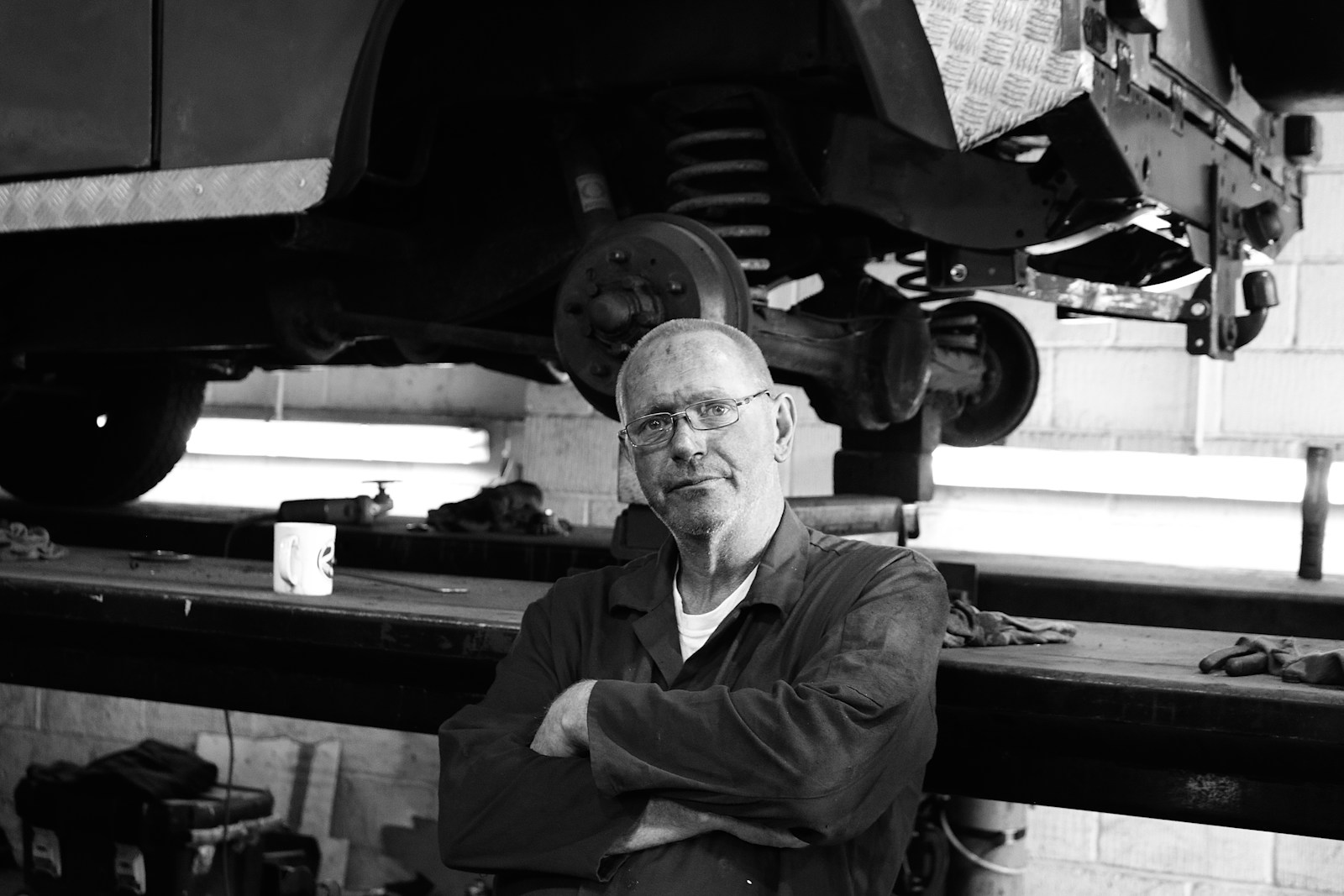
The mechanic didn’t even recognize the name at first. It was just another one-star review buried in the flood of oil-change complaints and “too expensive” rants that any shop collects over time. Then he read the first line—“SCAMMER”—in all caps, and his stomach did that little drop it does when you realize someone’s about to try to make their problem your identity.
The review wasn’t vague, either. It said he’d “made up repairs,” “tried to scare” the customer into spending money, and “refused to help” when the engine failed. It ended with the kind of flourish that makes shop owners want to bang their head into a tool chest: “Avoid unless you want to get robbed.”
The only issue was that the mechanic could remember the car perfectly. Not because it was special, but because it was the kind of slow-motion disaster you can see coming from the parking lot—and because the customer had declined every single thing the shop recommended, signed off on it, and driven away like nothing was wrong.
The car that sounded like a jar of bolts
It started with a tow-in, not a drive-in. The customer’s sedan—an older model with high mileage and a couple of mismatched tires—got dropped off late morning, and the driver climbed out already irritated. He didn’t do the “hey, how’s it going” small talk; he went straight into the complaint, talking fast, like he wanted to set the terms of reality before anyone else could.
The engine had been making noise “for a while,” he said, but it was “probably just a sensor” or “a loose belt.” He needed it looked at and back on the road today because he “couldn’t be without it.” The mechanic asked some basic questions—when was the last oil change, any warning lights, how long the noise had been there—and got the classic shruggy non-answers.
When they finally started the car, the sound was ugly. Not squeaky belt ugly, but metallic, rhythmic, deep-in-the-engine ugly. The mechanic didn’t say “your engine’s about to die” out loud, but he did that thing experienced techs do where they go quiet and listen longer than a normal person would, like they’re trying to place which part is begging for mercy.
“Just tell me what it needs to pass inspection”
Once it was in the bay, the mechanic did what he always does: check fluids, scan for codes, look for obvious leaks, and see what the car is trying to tell you before you start guessing. The oil level was low enough that it barely registered, and what was there looked like it had been cooked. There were codes that suggested the engine had been running lean and misfiring, and the noise got worse as it warmed up.
He wrote up a list the way a responsible shop has to: oil and filter immediately, compression/leak-down test to see if internal damage was already happening, and a recommendation to stop driving it until the cause of the knock was identified. He also noted a valve cover leak and a coolant hose that looked swollen and tired. None of it was presented as a scare tactic; it was the same blunt “here’s what we found, here’s what it means” speech he’d given a thousand times.
The customer didn’t want any of that. He wanted the cheapest thing possible, and he wanted it framed as the shop’s fault if the cheap thing didn’t magically fix everything. He kept repeating variations of: “I just need it to run,” “I’m not dumping money into this,” and “Every shop tries to upsell.”
The mechanic tried to narrow it down to a bare minimum—at least put oil in it, at least stop the bleeding, at least find out if the engine was already damaged. The customer cut him off and said he wasn’t paying for “tests” and “diagnostics” because “that’s how they get you.” He asked for an estimate for “whatever makes the noise go away,” like the noise was a single replaceable item on a shelf.
The part where paperwork becomes a shield
Shops don’t document things because they like paperwork; they document things because people rewrite history. So the mechanic did what he’d learned to do with customers like this: he wrote everything down in plain language, pointed to it, and asked the customer to sign next to the lines that said “declined.” Not in a dramatic way, not as a threat—just a professional, slightly weary routine.
The customer rolled his eyes and signed, but not before making a comment about how “this is why people hate mechanics.” He declined the oil service. He declined the compression test. He declined the coolant hose. He declined everything, including the recommendation not to drive it. The only thing he approved was the absolute basic diagnostic fee, and even that came with muttering about “paying for nothing.”
When the mechanic handed him the keys, he tried one last time to be clear: the engine sounded like it was knocking, it was low on oil, and driving it could turn a fixable issue into a full engine failure. The customer said, “Yeah, yeah,” in that way people do when they’ve already decided you’re wrong and you’re just noise. Then he fired it up, listened to the knock like it was an annoying ringtone, and drove off.
For about two hours, the mechanic didn’t think about him. The shop stayed busy; cars came and went; someone argued about the price of brakes; a coworker lost a 10mm socket and blamed the universe. The customer was filed away mentally as “that guy,” the kind you hope doesn’t come back because if he does, it won’t be polite.
When the engine finally quits, it’s suddenly personal
The call came late afternoon. The same customer, now furious, saying the car had “blown up” on the highway and the shop had “refused to fix it.” The mechanic could hear traffic in the background and the kind of panicky indignation people get when their gamble doesn’t pay off but they still want the payout.
He asked where the car was and what happened. The customer said it started making louder knocking, lost power, and then “just died,” and now it wouldn’t restart. He said the mechanic should’ve told him it was dangerous, like the earlier conversation had been a dream the shop invented.
The mechanic pulled up the invoice while they were on the phone. He read the declined recommendations out loud, one by one, including the part where it said the vehicle was unsafe to drive due to suspected internal engine damage. The customer reacted like the mechanic was reciting an insult, not documentation. He accused the shop of trying to “cover their ass” and claimed the signature didn’t mean anything because he “didn’t understand what he was signing.”
That’s where it turned from frustrating to surreal. The mechanic offered to tow it back in so they could diagnose the current state, but he explained that if the engine had seized or thrown a rod, it wasn’t going to be a cheap fix. The customer said, “So you admit you won’t help,” and demanded the shop pay for a new engine because they “let him leave” with the car.
The one-star review and the battle over the narrative
The review went up the next day. It read like the customer had walked into the shop, been attacked by a gang of mechanics, and barely escaped with his wallet. In his version, the mechanic “invented problems,” “pressured him,” and then “laughed” when the car broke down—none of which matched what actually happened, and certainly not what was documented.
The mechanic didn’t respond immediately, which is its own kind of restraint. If you’ve ever run a small business, you know the impulse: type a 1,000-word rebuttal, attach receipts, and set the record straight with surgical precision. But he also knew the trap—get into a public fight, and you’re suddenly arguing with someone who has nothing to lose.
Still, the review sat there calling him a scammer, and it wasn’t just annoying; it was dangerous. A shop’s reputation is this fragile thing built on word-of-mouth and local trust, and “scammer” is the kind of accusation that sticks in people’s minds even if it’s unsupported. The mechanic eventually replied with a short, careful response: that the shop had documented recommendations, the customer declined all repairs, and they’d offered further diagnosis after the breakdown.
Privately, he kept replaying the moment he handed over the keys. He remembered how clearly he’d said “don’t drive it,” and how casually the customer had shrugged it off. There’s a helplessness in that—watching someone choose the worst option, then turning around and blaming you for not physically stopping them.
The tension didn’t resolve neatly. The customer kept insisting the shop owed him something, and the mechanic kept insisting the paperwork wasn’t a suggestion—it was the record of a decision. The car was still dead either way, and the one-star review stayed up like a little digital landmine, daring the next potential customer to decide who they believed: the guy who declined everything and lost his engine, or the mechanic who wrote it all down and still got called a scammer when the consequences finally arrived.