
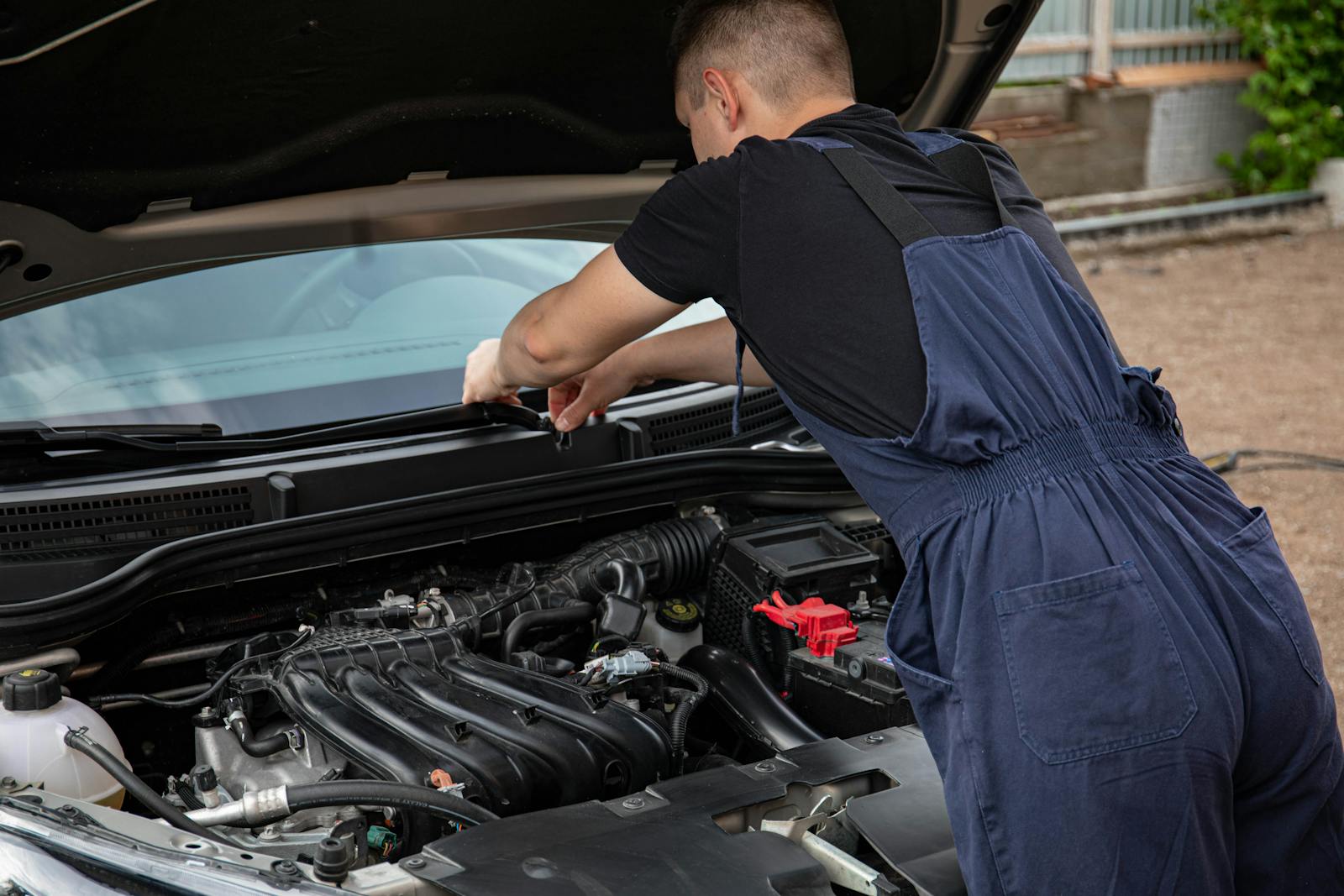

It started the way a lot of messy favors start: a guy had a car acting up, money was tight, and he happened to know someone who “does cars.” Not a random shop, not a dealer, but a friend-of-a-friend type mechanic he’d grabbed beers with and trusted enough to hand over his keys.
The mechanic friend had even pitched it like he was doing him a solid. He’d said he could “hook him up” on the repairs—cheap parts, no labor markup, just toss him some cash and maybe buy dinner sometime. The kind of deal that feels like you’re beating the system until you remember the system exists for a reason.
So the guy agreed, handed over the car and the keys, and figured he’d be without it for a couple days. Then the mechanic stopped answering, and the “couple days” stretched into “almost a month,” with the guy watching his own transportation vanish into the weird limbo of friendship, favors, and outright theft-adjacent behavior.
The “hookup” offer that sounded too easy
The car itself wasn’t some luxury ride, just his daily driver—the thing that got him to work, the grocery store, everywhere. It had started making a noise that screamed “expensive,” and he’d been limping it along while he compared estimates. A regular shop was quoting him a number that made him wince, and he was already mentally rearranging bills to make it happen.
That’s when the mechanic friend slid into the conversation with the magic words: “Don’t take it there, I can do it cheaper.” He told him he had access to parts at cost, that he’d do it on his own time, and that it’d be quick. The guy didn’t hear “on his own time” as a warning; he heard “I’m saving you hundreds.”
They made a plan to meet up so the mechanic could take a look. The mechanic did the confident walk-around, nodded a lot, and said it was manageable. It wasn’t framed like a big favor either, more like, “Yeah man, easy, leave it with me.”
Handing over the keys and losing the timeline
The actual handoff was casual, which later made it feel even stupider. They met in a parking lot, the guy popped the hood, the mechanic listened for a second, and then said he’d take it back to his place. The guy asked how long, and the mechanic hit him with the classic: “Couple days, maybe less.”
The guy left feeling relieved, like he’d dodged a bullet. He even texted the mechanic afterward a “thanks again” message, the kind you send when you’re trying to be low-maintenance. The mechanic replied with a thumbs-up and something like “got you,” which, in retrospect, became its own little horror story.
Two days went by. Then three. The guy sent a check-in text that was friendly on purpose: “Hey man, any update?” It sat on delivered for hours, then eventually got a short response: “Waiting on a part.”
That sounded normal enough at first. Shops wait on parts all the time, and this wasn’t even a shop—it was a dude doing a side job out of a driveway. But the guy asked what part, and the mechanic didn’t answer that.
The slow fade: excuses, silence, and the sick feeling
The next week was where it got weird. Every time the guy reached out, the mechanic had just enough of an explanation to keep it from looking like a crime. One day it was “part delayed,” another day it was “supplier messed up,” then “I’ve been slammed,” like his schedule was the guy’s fault for existing.
Phone calls started going to voicemail. Texts went from short replies to no replies at all. The guy did that thing where you reread your own messages to make sure you didn’t sound accusatory, and then you feel pathetic anyway because you’re basically begging for basic information about your own property.
Meanwhile, real life kept happening without the car. He was getting rides to work, borrowing a family member’s car when he could, and doing math on rideshares that made his stomach hurt. The “hookup” was quietly turning into a cost sink, and all he had to show for it was a growing thread of unanswered messages.
At some point he stopped asking, “How’s the repair going?” and started asking, “Where is my car?” That’s a different kind of question, and it changes the tone of a relationship fast. The mechanic finally responded with something vague like, “It’s safe, chill,” which somehow made it worse.
Trying to track down a friend who suddenly isn’t a friend
The guy tried the polite route first. He asked for the address where the car was, saying he needed to grab something out of it. No response. He asked if he could come by after work to see what was going on. Again, nothing.
So he escalated the way people do when they don’t want to blow up their own life but also can’t just accept being robbed. He started reaching out through mutual friends: “Have you talked to him?” “Do you know where he’s been working?” The answers came back scattered—some people hadn’t heard from him, others said he’d been “busy,” one person mentioned he’d been doing a bunch of side jobs lately.
That detail landed like a brick. Side jobs meant other people’s cars, other people’s keys, other people also waiting on “parts.” It meant the mechanic might not be in trouble; he might be running a whole little ecosystem of half-finished favors, taking in cash and cars and juggling them until someone snapped.
The guy drove by places he thought the mechanic might be—his old apartment, a relative’s house, even a shop where he used to work. Sometimes he’d see the mechanic’s name pop up in a group chat or on social media, which was its own kind of taunt. It’s hard to feel like someone “lost your number” when they’re online posting memes.
The moment it stops being awkward and starts being legal
After nearly a month, the guy finally did what people threaten to do long before they actually do it. He sent a message that wasn’t friendly anymore: he wanted the car returned by a specific day, or he was calling the police and reporting it stolen. He didn’t dress it up with jokes, and he didn’t add smiley faces to soften it.
That was when the mechanic suddenly had time to respond. He hit back with indignation, acting like the guy was betraying him. He said things like, “I’m doing you a favor,” and “Why are you coming at me like that?” as if the missing car was just a misunderstanding and not a giant flashing alarm.
The guy asked for one simple thing: a location and a time to pick up his car and keys. The mechanic dodged again, saying he needed “one more day” and “it’s almost done.” Almost done after weeks of silence is a phrase that doesn’t inspire confidence; it sounds like someone trying to buy time.
And the guy was stuck in the worst part of it: he didn’t want to torch the friendship circle, but he also didn’t want to be the idiot who waited politely while someone effectively held his car hostage. Reporting it stolen felt dramatic until you remember that’s literally what it was: he didn’t have it, he didn’t know where it was, and the person who did have it wouldn’t give it back.
Eventually, the mechanic offered a meet-up, but even that came with strings. It was late at night, in a vague location, with a “don’t bring anyone” vibe that made the guy’s skin crawl. The guy pushed back, asked for daylight, asked for an address, and the mechanic went silent again.
By the time the month mark hit, the whole thing had flipped. The original problem was a noise in the engine; now the problem was a person who knew exactly how hard it is to reclaim something without paperwork, receipts, or a formal work order. The guy still didn’t know if his car was being worked on, parked somewhere, stripped for parts, or just sitting untouched while the mechanic played keep-away.
And that’s the part that lingered: not just the missing car, but the way the mechanic kept trying to reframe it as a friendship issue—like the real offense was being questioned, not disappearing with someone’s keys. The guy could feel the decision closing in on him, that last ugly step where you stop thinking about loyalty and start thinking about a police report, and he hated that someone he’d trusted had made it feel like the only way out.
More from Steel Horse Rides: