
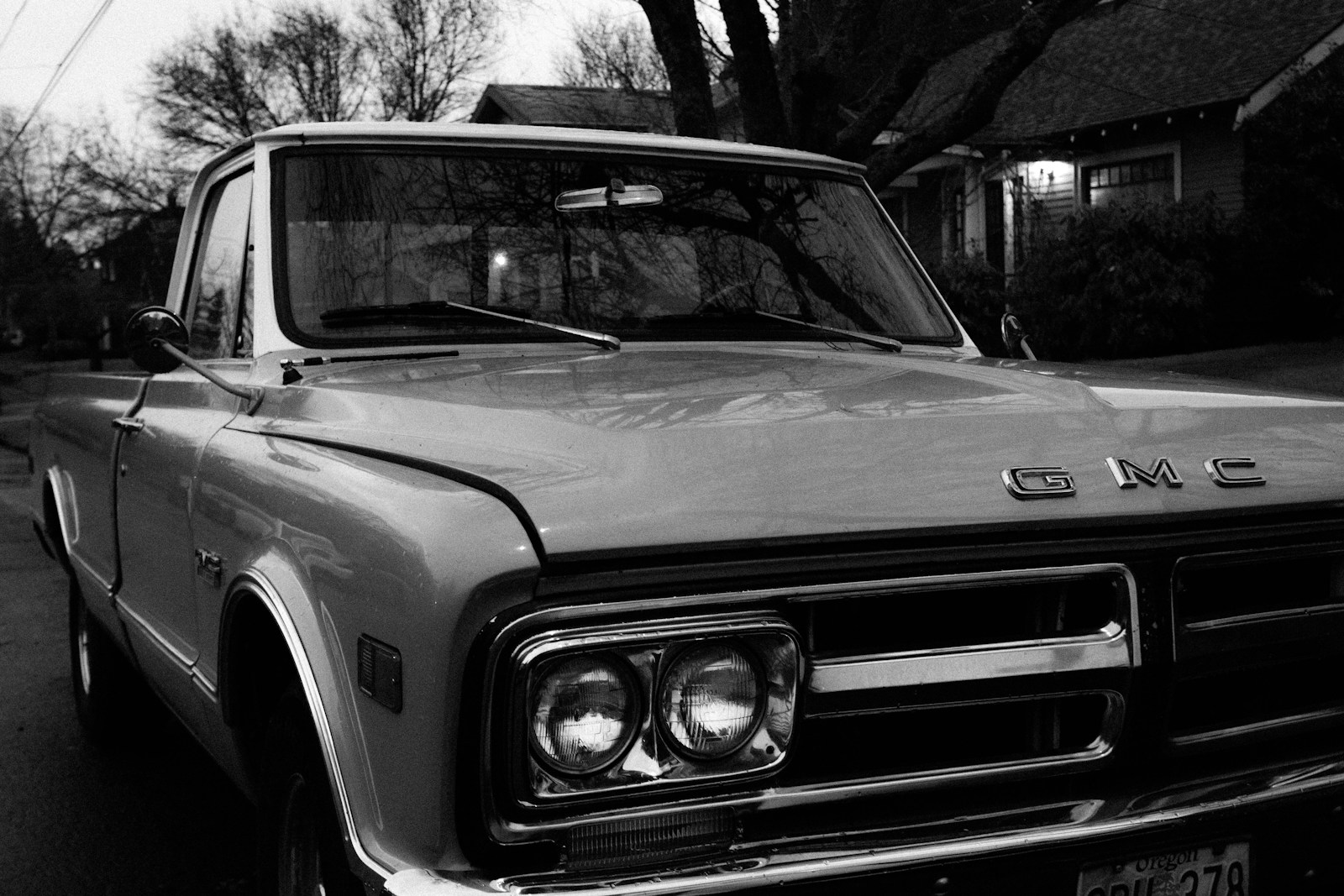

He’d been the kind of guy who kept the old truck even when it made zero practical sense. A classic pickup—square body, loud color, the kind you don’t see sitting in traffic anymore unless it’s headed to a show—kept tucked away in a storage unit like a promise he’d cash in someday.
It wasn’t his daily driver and it wasn’t perfect, but it was his. He’d put weekends into it, money he shouldn’t have spent into it, and the kind of attention that makes you remember exactly which bolt you replaced and which rattle you decided to live with.
So when he swung by the storage place one afternoon and the unit looked… wrong, his brain didn’t catch up right away. The lock wasn’t his lock. The door didn’t feel the same when it rolled up. And then the space where the truck always sat was just empty concrete and a few dusty tire marks like the place had been swept clean on purpose.
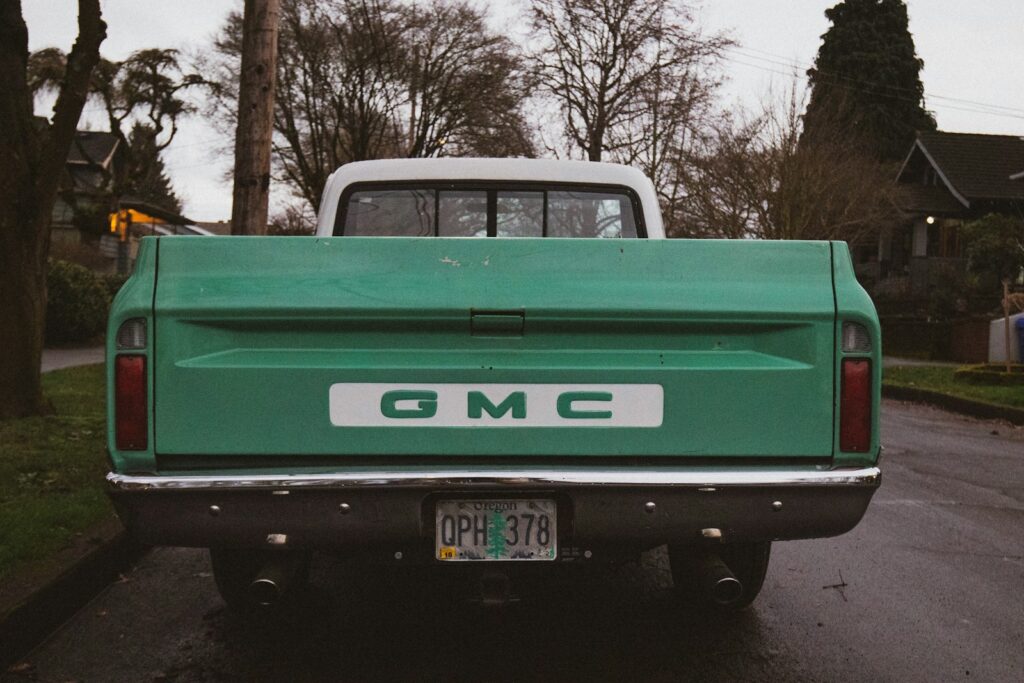
The storage unit that suddenly “didn’t have his stuff”
At first he did the normal-person denial thing. Maybe he’d gotten the unit number wrong. Maybe the truck was at his buddy’s shop. Maybe he was losing it. But he checked the paperwork, checked his photos, checked the little notes in his phone where he’d logged maintenance and parts, and it was the same unit he’d been paying for.
He walked straight to the office expecting the kind of quick fix where someone shrugs and says, “Oh, we moved it to a different bay for maintenance.” Instead he got that uncomfortable customer-service stiffness, the one where the person behind the counter is friendly but already defensive.
The employee pulled up his account and told him, casually, that the unit had been “cleared” weeks ago. Like that was a routine thing that happens to people with classic trucks. When he pushed back—because he’d paid, because he had the receipts, because he hadn’t authorized anything—the employee’s tone shifted into rehearsed lines about delinquent accounts and auctions.
But his account wasn’t delinquent. He had bank statements. He had confirmation emails. And his key fob still opened the gate. That’s when the story got fuzzy on their side, like they were looking for a version that matched the paperwork they wished they had.
Paper trails, camera footage, and a lot of shrugging
He did what people do when something expensive disappears and nobody wants to claim responsibility: he asked for the cameras. The request didn’t land the way he hoped. The staff talked about “retention periods,” about cameras that didn’t point where he thought they did, about needing a manager, about needing corporate approval.
He called the police and filed a report, and that part was its own kind of frustration. It wasn’t that the officer didn’t care, exactly; it was more that the story sounded like a civil dispute until you said the word “stolen,” and even then it was hard to get traction without a suspect or a plate number.
Meanwhile, he started doing the obsessive inventory in his head. The truck. The wheels. The spare parts he kept in bins. A toolbox. Some old trim pieces he’d been hoarding because “they don’t make them like this anymore.” Losing the truck hurt, but the idea of strangers pawing through all the little things he’d collected for it made it feel personal.
The storage company’s version of help was basically: fill out a claim, wait to hear back, and please stop being so angry at the front desk. His version of help was: somebody tell him who signed off on clearing his unit, and where his stuff went.
Months of nothing, and then a photo that made his stomach drop
Time passed in that gross limbo where you keep checking email like something might magically resolve. He kept working, kept living, but he also kept doing that thing where you scan the road for your own vehicle even though you know it’s pointless.
Then, months later, he was scrolling Facebook Marketplace the way people do when they’re bored and slightly unhappy. Not even searching for his truck, just drifting through listings. And then he saw it: a familiar shape in a photo that looked like it was taken in someone’s driveway, at a bad angle, in that harsh phone-camera light.
It wasn’t the same truck, the listing implied. The title was something vague like “project truck” or “parts truck,” priced just low enough to make you click. But the paint color was right, and one of the dents was in the exact spot his had, and there was a weird little detail near the rear—something he’d done himself—that you couldn’t accidentally replicate.
Only now it looked like it had been dragged through a bad relationship. The wheels were different. The grille looked wrong. Half the interior was missing. The bed looked like it had been stripped for parts, and the listing photos carefully avoided showing anything identifiable—except, apparently, to the one person on Earth who knew every inch of it.
The Marketplace messages that turned into a trap
He did the first thing everyone tells you not to do: he messaged the seller. Not with “That’s my stolen truck,” because that just gets you blocked, but with the kind of neutral interest that keeps the conversation going. Is it still available? What’s the story? Do you have the title?
The seller replied fast, which always feels like its own red flag. The story was thin: got it from a buddy, don’t know much, it’s a “project,” cash only, no trades. When he asked about paperwork, the seller dodged and offered a bill of sale, like that solves everything.
He asked for a photo of the VIN plate. The seller suddenly got slower, then acted offended, then offered a blurry photo that didn’t actually show the number. The guy pushed for a clearer one, and the seller did that online thing where they pretend you’re being unreasonable for wanting proof a vehicle is legally theirs.
So he stopped talking like a buyer and started moving like someone trying to get his property back. He updated the police report with the listing, saved the photos, screenshotted the entire conversation, and sent it to whoever would take it. He also did what anyone would do at that point: he asked a couple friends if they’d come with him if he had to meet the seller in person.
The meeting got arranged anyway, because the seller thought he was just another guy with a truck fetish and cash. They picked a public place. The seller tried to change it last minute to “my cousin’s place,” which set off more alarms, but the guy held firm. If he was going to see his truck again, he wasn’t doing it in a dark driveway with no witnesses.
Seeing it in person: the same truck, but gutted
When he finally saw it, there wasn’t any doubt left. Even with parts swapped and panels missing, it carried all the fingerprints of his ownership—the tiny imperfections, the way one door sat slightly off, the old sticker residue in the corner of a window. It was like recognizing a friend in a bad disguise.
The seller played it cool, like this was a normal transaction. He did the usual Marketplace dance: talk about how “easy it’ll be to finish,” how “they’re going up in value,” how he “doesn’t have time for it.” But he was also watching the guy too closely, like he was measuring whether this buyer was going to be trouble.
The guy didn’t start yelling. He didn’t make a big scene. He asked, calmly, one more time for the VIN and the title. When the seller stalled again, the guy pointed out details that only an owner would know, and you could feel the air change—less “sales pitch,” more “this is going sideways.”
Depending on how the story’s told, that’s where it splinters into messy reality. In one version, the police were already on the way because the guy coordinated it right. In another, the seller realized something was wrong and tried to bail, suddenly remembering he had somewhere else to be. Either way, it wasn’t the satisfying moment where the thief confesses; it was a tense standoff where everyone is calculating risk.
What he did have—screenshots, a listing, saved photos, the storage paperwork, and a truck in front of him that looked like his life had been picked clean—was enough to push the situation into a real investigation. Not a guaranteed recovery, not a clean resolution, but at least something sharper than a shrug.
And that’s the part that stuck with people who heard it: how quickly a thing can slip out of your hands when it’s “stored” somewhere you assume is safe. The truck didn’t just disappear; it got processed, moved, stripped, and flipped like it was inevitable. Months later, he wasn’t just trying to get a vehicle back—he was staring at a half-gutted version of something he’d cared about, knowing someone had made money off every missing piece, and realizing the hardest part might be finding out whether the storage place was incompetent, complicit, or just convenient.
More from Steel Horse Rides: