

He realized something was wrong before he even got to the curb. The spot where his car always sat—same cracked patch of asphalt outside his building, same angle because the streetlight hit the windshield just right—was empty. Not “maybe I parked farther down” empty. Clean, bald, undeniable empty.
At first he did the normal denial loop. A lap around the block in work shoes, patting pockets like the keys might explain it. A quick check of the other side street where he sometimes parked when the trash trucks came. By the time he circled back to the dead space in front of his building, his stomach had already sunk into that very specific dread: either it was stolen, or it was towed.
He called the city’s tow line and got a bored “no record.” He called the police non-emergency number and got the other kind of bored: “If it’s not in our system, maybe the tow company hasn’t reported it yet.” And then, like a bad punchline that doesn’t even land, he got a call from a number he didn’t recognize—someone calmly asking if he’d like to “discuss his account.”

“We’ve repossessed the vehicle.”
The person on the phone didn’t build up to it. They said it the way someone says the weather. According to them, the car had been repossessed due to nonpayment, and there was a process for reinstatement if he wanted to “resolve the delinquency.”
He told them they had the wrong guy. Not in a dramatic way, either—more like the kind of tired certainty you get when you’re looking at a screen that’s obviously glitching. He’d been paying. He had the confirmation emails, the bank app history, the whole neat paper trail you keep because modern life teaches you everything can be disputed.
That’s when the call turned into a surreal little loop. The bank rep kept repeating what their system showed, and he kept repeating that their system was wrong. Somewhere in the middle, he asked the simplest question on earth: “So you took my car… and you’re not even sure you were supposed to?”
The proof didn’t matter—until it suddenly did
He emailed screenshots while still on the phone, because what else do you do when someone’s taken your only ride and acts like you’re debating a library fine? He forwarded payment confirmations, a statement showing the last withdrawal, even the email from the bank that said “Thanks for your payment.” The rep made little noises of acknowledgment and then went quiet in a way that didn’t feel reassuring, more like a computer freezing mid-task.
After a hold that felt long enough to reset his entire day, the rep came back with a slight shift in tone. Now it was “Let’s take a closer look” and “There may have been an error.” Not “We made a mistake.” Not “We’re sorry.” Just this vague passive-voice fog, like the repossession happened on its own and everyone was simply observing it.
He asked where the car was. The rep told him they didn’t have that information directly because repossessions are handled through a third party. He asked who the third party was. They gave him a name and a number like they were doing him a favor, like he should be grateful to chase down his own property through a chain of people who’d never met him.
By the time he got the tow yard on the phone, the story got even uglier. Yes, they had his car. Yes, it came in as a repossession. No, they weren’t releasing it without authorization from the bank. And yes, storage fees were already accruing because apparently time starts charging interest the moment your car disappears.
Days without a car doesn’t sound serious—until it’s your life
The bank’s mistake didn’t just mean an inconvenience. This wasn’t a “guess I’ll take the bus for a bit” kind of situation. He lived in one of those places where transit is technically available but practically useless unless your schedule is flexible and your job doesn’t mind you arriving sweaty and late.
He had work, groceries, a doctor appointment he’d been waiting weeks for, and a family obligation that required him to be somewhere at a specific time. The car wasn’t a luxury item to him; it was the hinge his entire week swung on. Losing it turned every simple errand into a logistical puzzle with money leaking out of it.
So he did what people do when a corporation breaks your routine and refuses to feel bad about it: he started documenting everything. Times, names, case numbers, what was said, what wasn’t said. He asked for an email confirmation that the repossession was an error, and the bank kept refusing in that slippery way companies do when they don’t want to create a document that can be forwarded to a lawyer.
Meanwhile, he kept getting bounced around. Customer service said it was the collections department. Collections said it was the repossession vendor. The vendor said it was the bank’s authorization. Every call ended with some version of “We can’t do anything until someone else does something,” like the system was designed to exhaust you into accepting whatever outcome was cheapest for them.
The part that made him angriest wasn’t the tow—it was the attitude
When the bank finally admitted the account wasn’t delinquent, the admission came with all the warmth of a software update notification. Something about an “internal miscommunication.” Something about “a flag placed in error.” Still no clean sentence that sounded like an actual human apology.
He asked how fast they could get the release authorization to the yard. The rep said it could take “one to three business days,” like this was a normal timeline for returning someone’s only vehicle after wrongly taking it. He pushed back—hard—because it was already taking days, and “business days” is the kind of phrase that quietly erases weekends and real life.
That’s when the bank rep hit him with the line that stuck. Something like: “I understand it’s inconvenient.” Inconvenient. Not “ruinous,” not “costly,” not “you might lose your job,” not “we just took away your mobility.” Inconvenient, like the Wi‑Fi went out for an hour.
He asked about covering his costs—rideshares, missed wages, the storage fees at the yard that were literally accumulating because the bank hadn’t sent the authorization. The rep didn’t say no outright. They just kept sliding sideways into policy language: submit receipts, file a claim, wait for review. The kind of answer that sounds possible if you don’t understand how many people give up halfway through.
Getting the car back became a second job
He started calling like it was his job, because in a way it was. Morning calls to the bank. Afternoon calls to the tow yard. Follow-up emails where he wrote down what the reps said, hoping the weight of a written record would make someone move faster.
At one point, someone at the bank told him the release had been sent. The tow yard said they hadn’t received anything. He asked the bank to resend it. The bank said they already had. The tow yard told him they could check again “later,” like they were doing inventory on a shelf and not holding a person’s ability to get to work.
When he finally got confirmation the authorization was processed, it didn’t come with a neat bow. It came with more waiting—waiting for the yard to “update the system,” waiting for someone on a forklift to fetch the car, waiting for paperwork that treated him like he was the one who’d caused the problem. And even then, the storage fee question hovered like a threat: pay now and maybe fight later, or refuse and keep waiting.
He paid what he had to pay to get the car back, because the immediate problem was bigger than the principle. He needed the car. He needed his life back. The bank’s “we’ll review it” sat in the future, vague and optional, like a promise made to calm you down rather than solve anything.
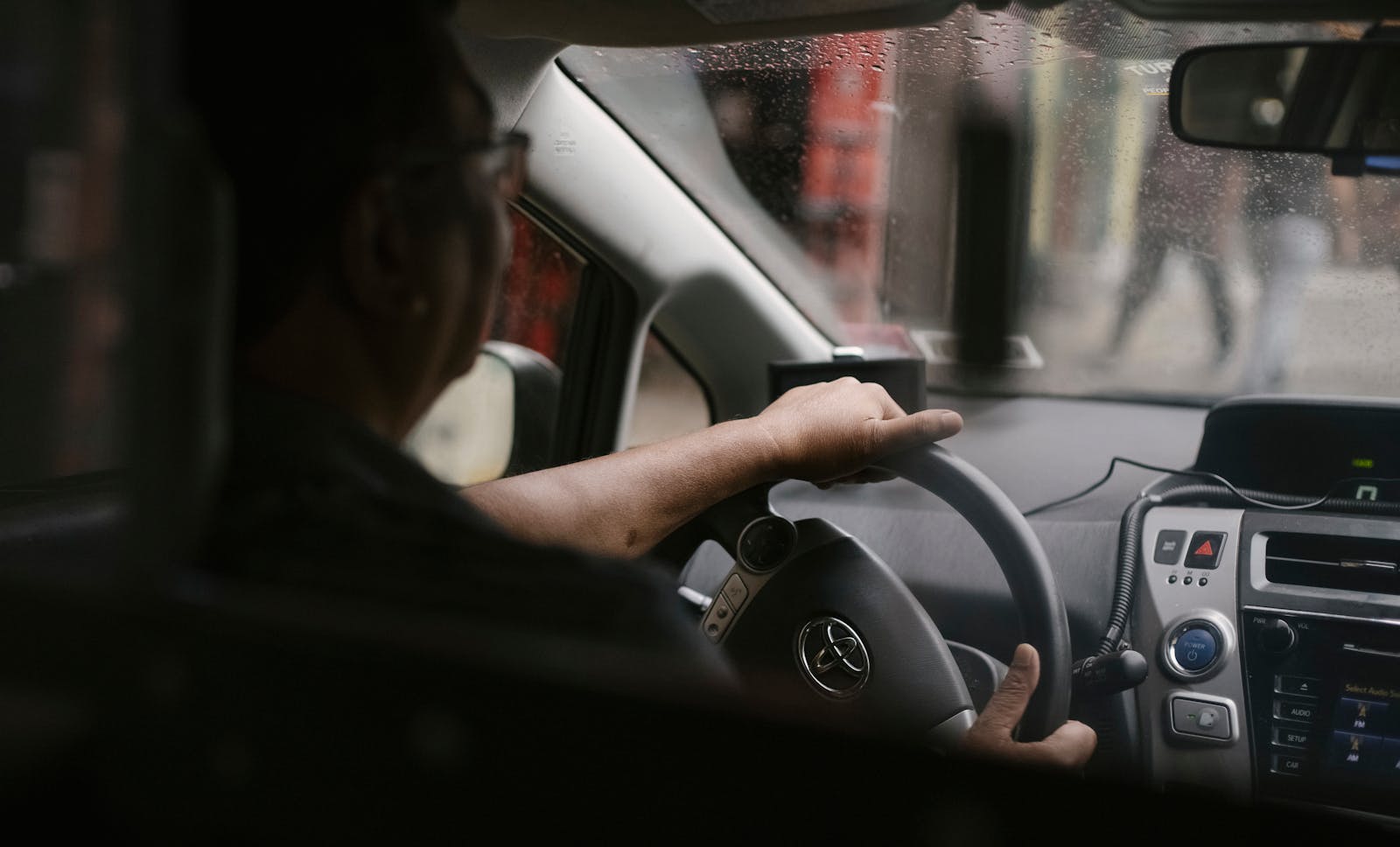
And when he finally slid into the driver’s seat, it wasn’t relief so much as rage with a steering wheel. The car smelled faintly different, like someone else’s lot and someone else’s routine had seeped into it. He drove home thinking about how easily it happened, how little friction there was between a bank’s internal mistake and a tow truck showing up to erase your week.
What stuck with him wasn’t just that the bank took the car by mistake. It was how quickly they expected him to absorb the consequences like it was normal for a person to lose their only ride for days, pay out of pocket to undo a corporate error, and then politely wait for “review.” The car was back in front of his building, but the feeling wasn’t, because now he knew how fragile his normal life looked to the people with the power to interrupt it.
More from Steel Horse Rides: