
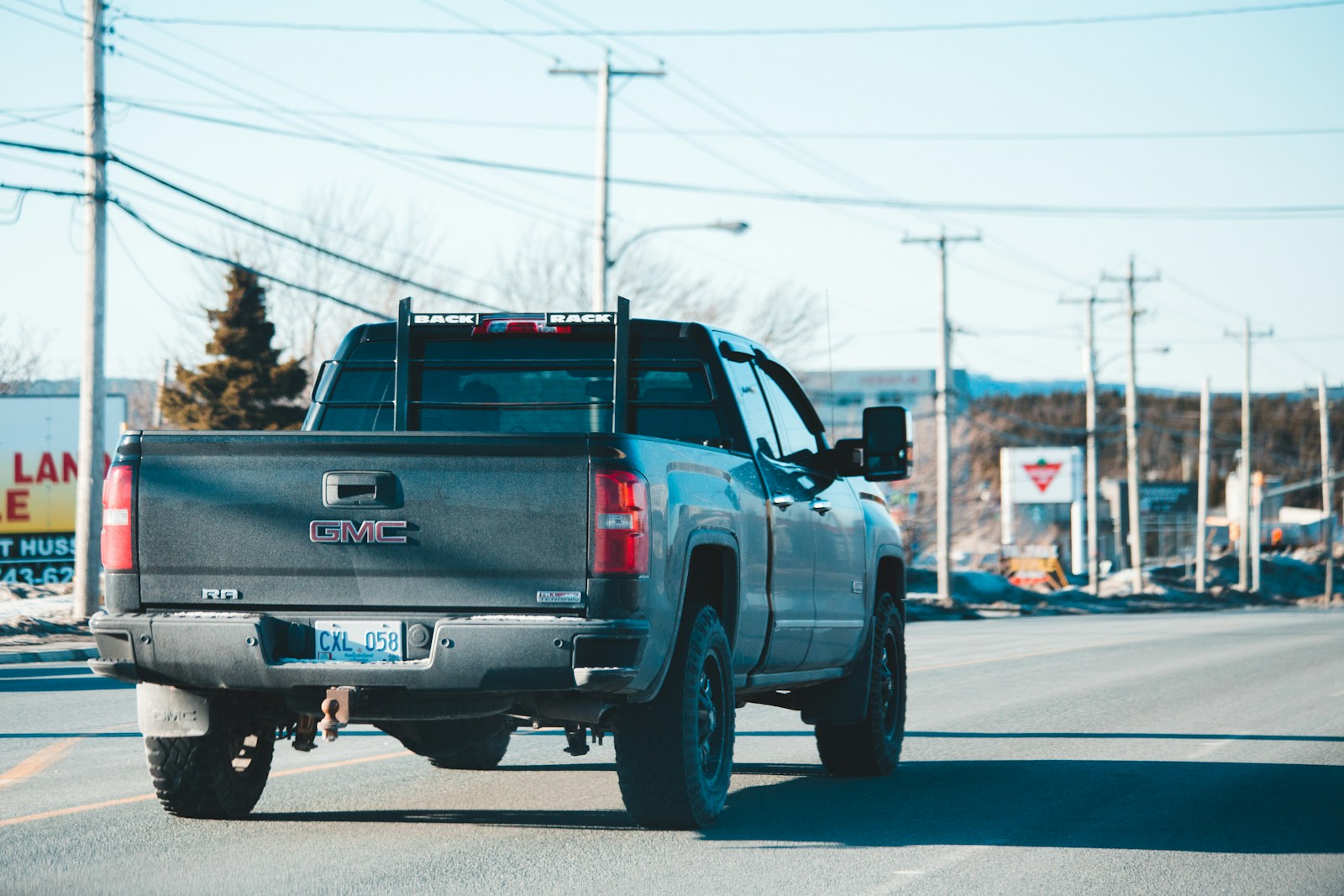

He thought he was doing everything right. The buyer had been hunting for an older pickup for weeks, the kind of sturdy work truck you don’t mind scratching up with lumber or muddy boots, and this one checked all the boxes: clean body, decent miles for its age, priced just low enough to feel like a deal but not so low it screamed “problem.” The seller was friendly in that overly casual way—lots of “bro” and “no worries”—and kept repeating the same reassurance whenever the buyer asked the obvious questions.
The big one was the VIN. The buyer asked about it multiple times, not even trying to be subtle about his paranoia, and the seller waved it off like it was insulting. “VIN’s clean. I already checked. No liens, no stolen, nothing,” he told him. He even said the title was in his name and everything matched, as if that should settle it.
So the buyer did what people do when they want to believe. He met the guy in a grocery store parking lot, did the walk-around, crawled under the frame with his phone flashlight, listened to the engine, and tried to ignore the little red flags that seemed harmless in the moment. The test drive was normal, the paperwork looked fine at a glance, and the seller was all smiles until the cash changed hands—then he got weirdly impatient, like he needed to be gone before anyone looked too closely.
The parking-lot deal that felt “almost” normal
The seller had picked a busy location, which is always either comforting or calculated depending on how the day goes. He parked the truck nose-out like he planned to leave fast, and he kept his body between the buyer and the driver-side door jamb, where manufacturers usually stick one of the VIN labels. The buyer noticed, but at the time it read as nervousness, not strategy.
They talked through the truck’s history in quick, choppy pieces. The seller said he’d “had it a couple years,” used it for “light hauling,” and was only selling because he “needed something bigger.” When the buyer asked for maintenance records, the seller shrugged and said he did most of it himself, which can be true and still be a headache.
The buyer did at least check the VIN on the dash, the one you can see through the windshield. He typed it into one of those quick VIN-check sites on his phone, and the basic info popped up: the right make, model, year. The seller watched him do it with that fake-laugh vibe, like, “Told you,” and started talking faster, steering the conversation back toward payment and how he had “another guy coming later.”
In the swirl of it—traffic noise, people pushing carts, the seller’s impatience—the buyer accepted a title that looked legitimate enough and a bill of sale scribbled out on the hood. The seller wouldn’t let him take a photo of the guy’s driver’s license “for privacy,” which should’ve been a hard stop, but the buyer told himself he’d gotten a good look at him and he’d saved the phone number. He drove away feeling that familiar mix of relief and mild dread that comes with any private sale.
What changed the second it hit his driveway
At home, the vibe shifted fast. The buyer finally had time to breathe, and breathing is when details start getting loud. He opened the driver’s door and immediately noticed the sticker on the door jamb didn’t look right—edges curling, slightly off-center, the font a little too bold in a way that’s hard to describe but easy to feel.
Then he noticed something else: the rivets on the dash VIN plate looked wrong. Not “definitely fake” wrong to a casual eye, but different from the factory-style rivets he’d seen in videos and inspection guides. The plate itself had tiny scratches around it, like someone had pried it up and set it back down.
He started doing what he should’ve done before handing over money—checking every VIN location he could find. The one on the dash matched the title. The one on the door sticker matched the dash, but the sticker looked like it had been replaced. Under the hood, he found another stamp on the frame, and when he wiped the grime off with a rag, the numbers didn’t match.
That’s the moment it stopped being “maybe the seller’s shady” and became “this truck might be stolen.” The buyer stood in his driveway staring at those mismatched digits like they might rearrange themselves if he blinked hard enough. Instead, he got that cold, sinking feeling: if the frame VIN was the real one, everything he’d been promised was meaningless.
The seller’s story starts wobbling
The buyer called the seller right away. The first call went to voicemail. He tried again, and the seller picked up sounding annoyed, like the buyer was interrupting dinner. The buyer kept it calm at first—“Hey, quick question, I’m seeing a mismatch on the frame VIN, can you explain that?”—and the seller immediately went defensive.
“You’re looking at the wrong number,” the seller said. Then he switched to, “That’s normal, they don’t all match,” which is the kind of statement that sounds confident until you think about what it would mean. When the buyer told him he had photos and the stamp was clearly a VIN location, the seller’s tone changed again, colder this time. He told the buyer not to “start accusing” him of stuff and said if the buyer had a problem, he could “bring the truck back.”
That should’ve been comforting—except the seller also refused to give an address. He suggested meeting “somewhere” again, and when the buyer pushed for a specific place, the seller got slippery: he was out of town, he was busy, his phone was dying. The buyer realized he didn’t actually know where this guy lived, and the number he’d saved might as well have been a burner.
While they were on the phone, the buyer asked for a photo of the seller’s ID, or at least a clearer picture of the title in good light. The seller snapped, said the deal was done, and hung up. When the buyer called back, it rang and rang, then went to voicemail again.
The paperwork looks legit… until it doesn’t
Now the buyer was in that ugly limbo where every option feels risky. If he took the truck to the police and it really was stolen, he could lose the truck and the money. If he didn’t take it to the police and tried to register it, he could end up flagged at the DMV, or worse, accused of knowing what he bought.
He started scrutinizing the title like it was a forgery puzzle. The printing looked slightly fuzzy. The signature didn’t match the name as neatly as it should’ve. There was a tiny smudge near where a notary stamp might be on some documents, like someone had tried to mimic the look of something official without actually having it.
Then he noticed the seller had insisted on filling out the bill of sale himself and had left parts conveniently vague. The seller’s address line was basically useless—city and state only. The buyer had assumed it was just casual sloppiness, but now it felt deliberate, like the whole point was to make sure nobody could track him if something went sideways.
The buyer ran the dash VIN through another database, a more official-looking one, and got a result that didn’t calm him down. It wasn’t a clean, reassuring “no issues found.” It was closer to a dead-end—limited information, like the VIN wasn’t recognized properly, or had been swapped around enough times that the system wasn’t confident. That kind of ambiguity is its own kind of panic.
Calling for help without setting off a bomb
He ended up calling the non-emergency line, careful with his words. He didn’t say, “I bought a stolen truck,” because he wasn’t ready to hear what that might trigger. He described what he’d found—mismatched VINs, suspicious plates—and asked what the proper next step was if he wanted to verify everything without accidentally incriminating himself.
The advice he got wasn’t dramatic, just blunt. If the VIN on the frame didn’t match the title VIN, that was a major problem. They could send someone to take a look, or he could bring it in, but either way, if it came back stolen, the truck would likely be seized as evidence and returned to the rightful owner or insurer.
After that call, the buyer did a lap around the truck like he was seeing it for the first time. The paint looked a little too fresh on one panel. The ignition cylinder had tiny gouges, like it had been forced at some point and then replaced. There were a couple of mismatched bolts near the steering column that he hadn’t noticed in the parking lot because he’d been focused on whether the engine sounded healthy.
The seller finally texted, hours later, with a message that was half threat, half dismissal. Something along the lines of: stop harassing him, the truck was fine, and if the buyer kept “making problems,” he’d “handle it.” The buyer stared at the screen and realized he wasn’t just dealing with a sketchy sale anymore—he might be dealing with someone who didn’t want the truck looked at by anyone official.
So the buyer did the most frustrating thing in the moment: he parked the truck off the street, locked it, and stopped touching it. He gathered every scrap of documentation, screenshots of the listing, call logs, texts, and the photos of the different VIN locations. And he sat there waiting for the next step, stuck between two terrible outcomes—either he’d lose the truck and his money, or he’d learn the seller had been right and he’d almost torched an innocent deal with his paranoia.
But even in that “maybe it’s fine” scenario, the damage was already done. He couldn’t unsee the mismatched stamp, couldn’t unhear the seller’s sudden hostility, couldn’t shake the feeling that the whole transaction had been built to get him out of that parking lot fast. The truck was sitting in his driveway like a dare, and the only thing he knew for sure was that driving it again felt like borrowing trouble.
More from Steel Horse Rides: