
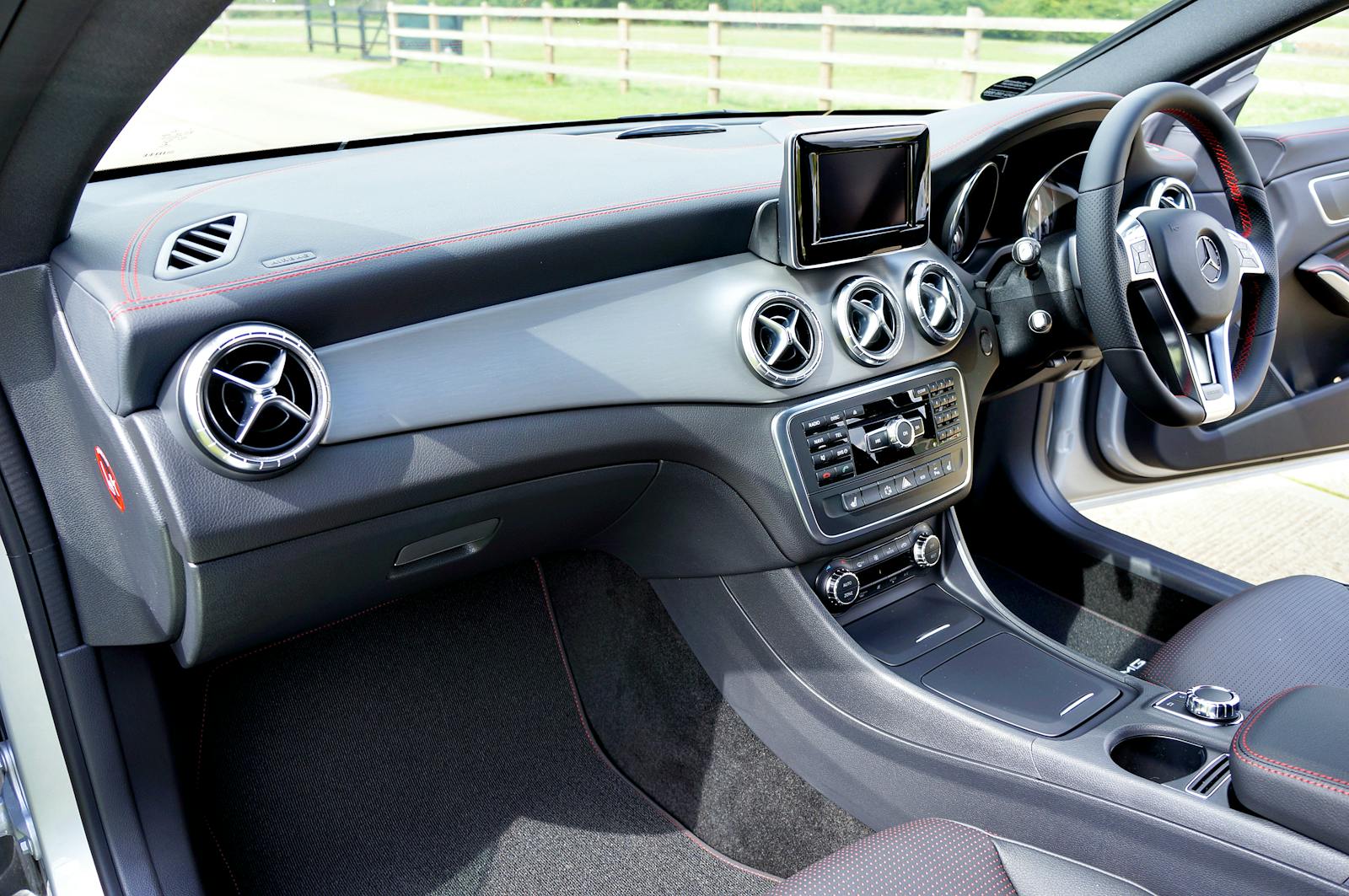

She noticed it the second she opened the driver’s door: that heavy, sweet-damp smell that doesn’t belong in a car unless someone’s been hauling wet dog towels for a month. The carpet along the door sill looked darker than it should’ve, like it had been rubbed the wrong way. She pressed a thumb into it out of habit and it didn’t spring back like dry carpet—it kind of squished.
The salesman didn’t flinch. He leaned in, gave a quick little laugh like she’d pointed out a coffee stain, and said it was “just a window left open in the rain.” He even did the casual shrug, like, happens all the time, no big deal. She was there for a used compact SUV they’d listed as “clean” and “well maintained,” and she’d already done the whole pep talk to herself about not getting emotionally attached.
Still, she wanted to believe him, because the price was right and the mileage was decent, and she needed a car fast. So she told herself maybe it really was just a dumb mistake—someone left a window cracked at the lot, a storm rolled through, life happens. The problem was, the car kept giving off little hints that it wasn’t just a one-time oops.
The “window left open” explanation starts to wobble
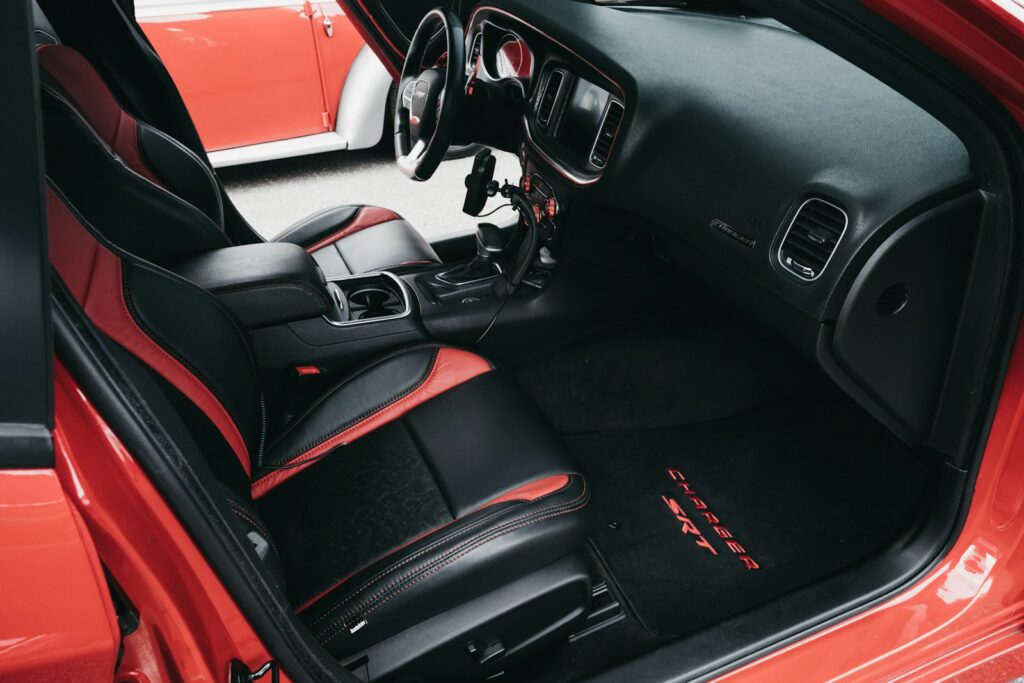
She asked if they’d dried it out. The salesman said they “shampooed it” and that it was “almost totally dry,” which was a weird thing to say when her hand was still damp. When she lifted the edge of the floor mat, the backing was wet enough to cling to the carpet like a sticker.
He moved fast after that—redirected her attention to the touchscreen, the backup camera, the way the seats “look brand new.” He kept talking while she looked down at the footwell like it was a crime scene. The longer she stood there, the more the damp smell pushed through the air freshener they’d clearly sprayed a little too aggressively.
She asked if it had been in a flood, and his face did that quick stiff thing people do when they want to look offended but also don’t want to say the wrong thing. “No, no, not at all,” he said, too quickly, and repeated the window story. Then he added that the previous owner “was an older lady” and “she barely drove it,” which didn’t answer anything and somehow made it feel worse.
She did the test drive anyway, because she didn’t want to be the paranoid customer who walks out over a damp carpet. The car drove fine for ten minutes, which is exactly how a bad decision gets made. By the time they pulled back into the lot, she’d convinced herself it might be manageable—get it detailed properly, run a dehumidifier, move on.
Paperwork, pressure, and a car that’s still wet
Inside, the dealership felt like every dealership: fluorescent lights, a stale coffee station, and the quiet hum of printers spitting out contracts. The salesman kept up a steady stream of friendly pressure, sprinkling in little time-bombs like “we’ve got another couple coming to see it later” and “inventory’s tight right now.” When she hesitated, he pointed to the price again like the number itself was a moral argument.
She asked for something in writing about the water issue. He said the car was being sold “as-is” but they’d “take care of her” if anything came up in the first few days. That sounded nice until she asked what “take care” meant and he responded with a foggy, noncommittal smile that didn’t touch his eyes.
At some point she found herself signing, partly because she needed transportation and partly because the whole setup is designed to make walking away feel irrational. The keys landed in her palm and the salesman switched instantly from persuasive to congratulatory. She drove off with that thin, uneasy feeling you get when you’ve talked yourself into ignoring a bad smell—literally and otherwise.
That night, she parked in her driveway and opened the doors to air it out. The carpet still felt cool and damp, like it was holding onto water deep down where you couldn’t reach. She stuck her hand under the seat rails and came back with wet fingertips, which is not something you should ever be able to do in a “window was left open” situation.
The first electrical glitch, and then the avalanche
The next morning, the dashboard lights flickered when she started it. Not the normal “all the lights come on and then go off” routine—this was a weird stutter, like the car was deciding whether it wanted to be a car today. The clock reset itself, and the infotainment system rebooted mid-song.
She called the dealership and got transferred twice before landing back with her salesman. He told her it was probably just the battery, like a battery could explain soaked carpet and a vehicle acting haunted. He suggested she “drive it a bit” and “let it dry out,” as if it were a pair of sneakers.
Within forty-eight hours, the issues stopped being cute little glitches and started turning into actual failures. The power windows moved sluggishly and then wouldn’t roll up without multiple tries. The rear wiper turned on by itself once, swiping a dry windshield like it was possessed.
She took it to a local mechanic who didn’t even need to look up the VIN to get suspicious. He pulled back the carpet in one spot and water pooled in a shallow, dirty sheen. Then he started pointing at connectors and wiring harnesses, explaining in the calm tone of someone delivering bad news: water gets into these, corrosion starts, modules fail one by one, and you don’t always know what’s dying until it dies.
The mechanic finds the kind of damage nobody wants to hear about
He didn’t say “flood car” right away, but he didn’t have to. He showed her under-seat components with greenish corrosion around metal pins, like the car had been quietly dissolving from the inside. The padding underneath the carpet was saturated, which meant the water wasn’t just surface moisture from an open window—it had been sitting, soaking, and spreading.
He also pointed out a tell she’d missed: fine grit tucked into seams and crevices where it doesn’t belong, like silt. Not every wet car is a flood car, he explained, but a lot of flood cars pretend they aren’t. Cleaning can make them look passable; it doesn’t reverse water’s habit of turning electricity into a long-term mess.
The estimate was the kind of number that makes your stomach go cold. He couldn’t promise a full fix because it wasn’t one broken part; it was a chain reaction waiting to happen. “You could throw money at this for months,” he told her, “and it’ll still surprise you.”
She drove home carefully, like the car might decide to stall at a stoplight just to make a point. Every beep and chime felt accusatory. When she got back, she sat in the driveway and stared at the steering wheel, doing that mental math people do when they realize they’ve been sold a problem and now it’s legally their problem.
Back to the dealer, and the story changes in real time
She went back to the dealership with the mechanic’s notes and photos on her phone: wet padding, corroded connectors, standing water under the carpet. The salesman’s face tightened the moment he saw the pictures, and his tone shifted from buddy-friendly to defensive-professional. He repeated “as-is” like it was a magic spell.
When she reminded him he’d blamed a window being left open, he didn’t exactly deny it—he just acted like she’d misunderstood how serious he meant it to be. Then he tried a new line: maybe she’d gotten water in it herself. It had rained that week, he pointed out, as if rain could climb into a sealed cabin and soak the underlayment.
She asked to speak to a manager. A manager appeared, listened with the patient expression of someone who’s heard every version of this story, and offered the kind of solution that isn’t really a solution: they could “take a look” at it if she paid a diagnostic fee. He said it like he was being generous, like she should be grateful they’d even entertain the idea.
She asked about unwinding the sale. That’s when the air in the office got noticeably colder. The manager said once the paperwork is done, it’s done, and if she wanted to pursue anything she could “talk to her lender” or “review her contract,” which is corporate-speak for good luck.
The part where she realizes the fight isn’t just about the car
On the drive home, the car’s warning light blinked on and stayed on, steady and smug. She kept imagining water sitting in hidden channels, creeping along wires, waiting for the next random system to fail. The whole vehicle felt like a booby trap she’d paid for.
She started pulling her own threads: checking the vehicle history, searching the VIN in odd corners of the internet, calling the previous insurance company if she could find a lead. Some of it was dead ends and hold music, but the pattern was clear enough—there were too many little gaps and convenient explanations. “Window left open” was the kind of story you tell when you want someone to stop asking questions.
And what made her angriest wasn’t just the money. It was the way the dealership treated her curiosity like an inconvenience, the way they leaned on ambiguity and speed and that “don’t be difficult” vibe. She kept replaying the moment she pressed her thumb into the damp carpet and he laughed it off, like she was being dramatic about something that was literally soaking the car from the inside.
Now she’s stuck with a vehicle that might behave for a week or might strand her in traffic the next time a control module decides it’s done. The dealer’s still leaning on “as-is,” the mechanic’s warning her not to sink more money into a slow electrical death, and every time it rains she catches herself listening for the sound of water where there shouldn’t be any—because the worst part is she can’t tell if the next failure is already happening.
More from Steel Horse Rides: