
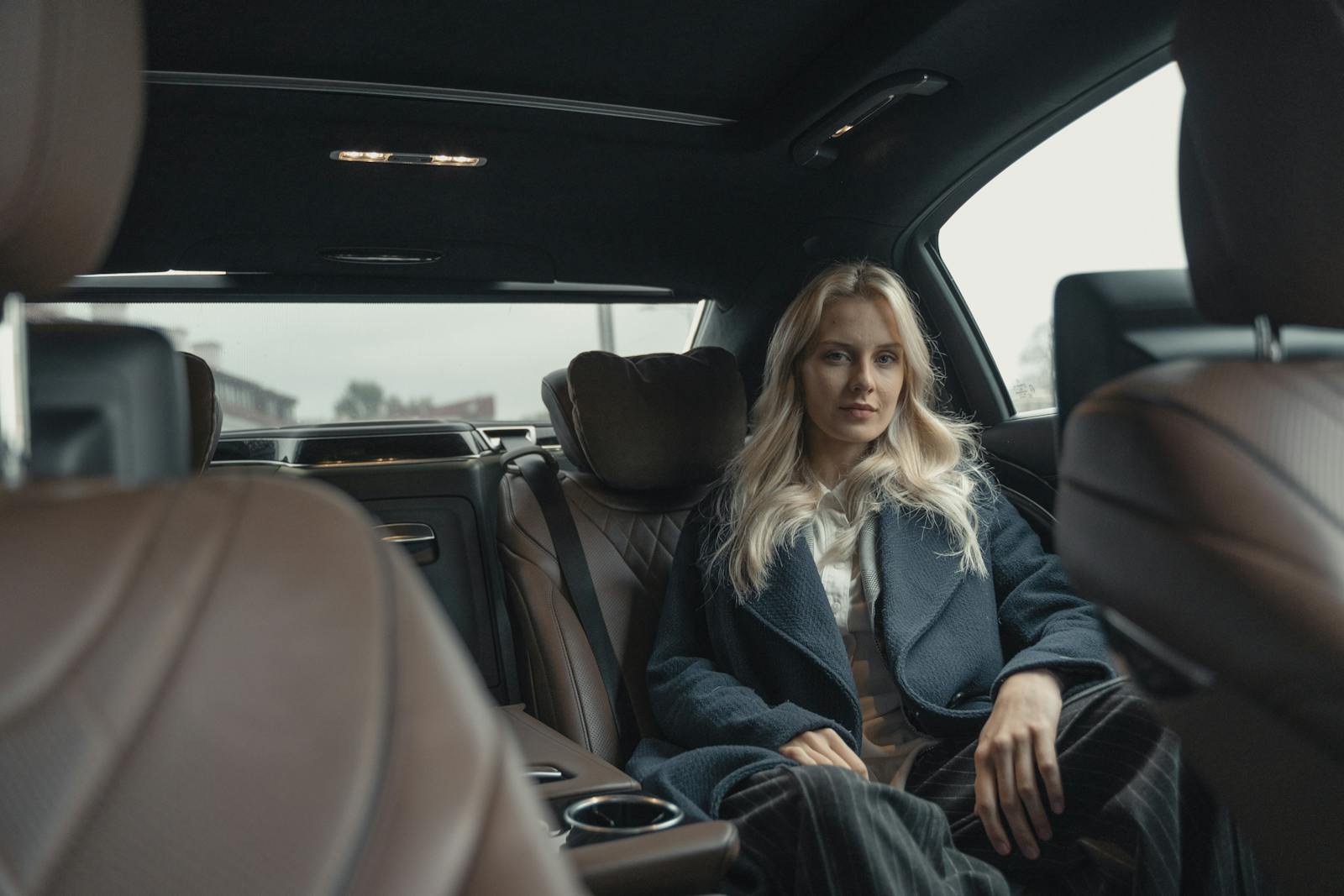

It started the way a lot of late-day rides start: a woman just trying to get from Point A to Point B without thinking too hard about it. She ordered a rideshare, double-checked the pickup spot, and climbed into the backseat with that autopilot feeling—keys in hand, phone at 12% but “fine,” brain already halfway home.
The driver seemed normal at first. Not overly chatty, not icy either—just one of those guys who answers with short words and keeps the car moving. The first couple turns were uneventful enough that she stopped tracking the map and did what most people do: looked out the window, half-scrolled her messages, let herself relax.
Then she noticed something small that turned into something big. The car drifted away from the route her app was showing, not by a block or two, but in a way that made her sit up straighter and actually watch the streets. When she asked about it, the driver didn’t give the usual “GPS is wrong” shrug—he got defensive, like she’d accused him of stealing her wallet.
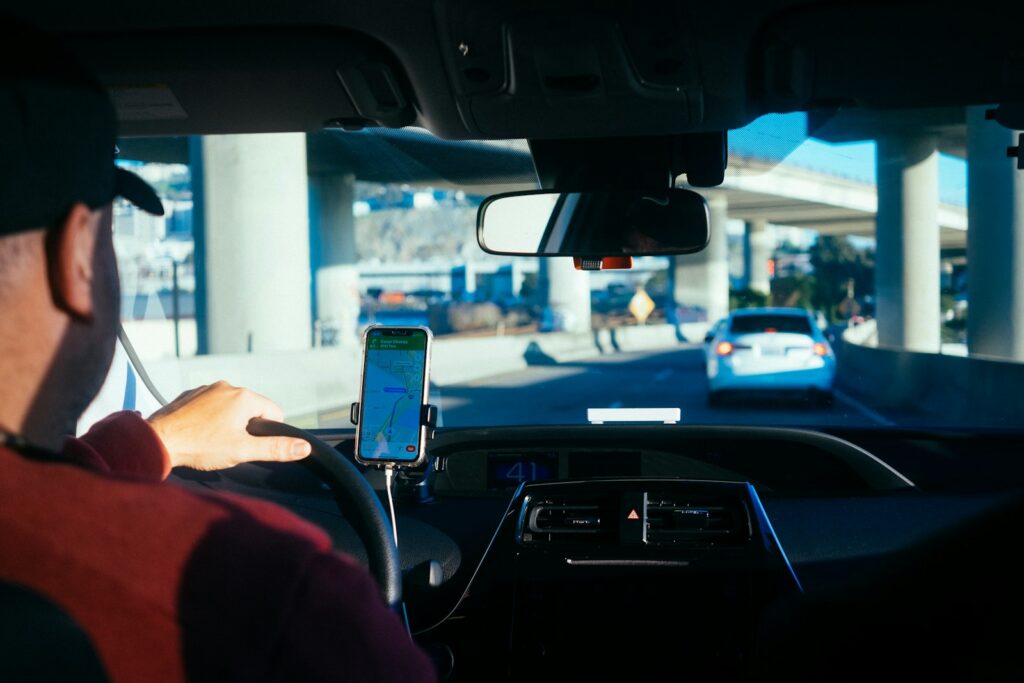
The moment the route turned into an argument
She tried to keep it light at first, the way people do when they’re negotiating with a stranger who’s in control of a moving vehicle. “Hey, I think the app’s taking us a different way,” she said, pointing at her phone like it was a neutral third party. The driver immediately launched into why his way was “better,” talking over her, explaining how he’d been driving in the city forever and didn’t need an app telling him what to do.
She didn’t care about being right; she cared about getting where she’d paid to go. So she said it again, a little firmer, and asked him to follow the route in the app. That’s when he started treating the whole thing like a personal challenge—arguing about traffic patterns, construction that may or may not have existed, and how passengers were always “thinking they know everything.”
The weird part wasn’t just the disagreement; it was how quickly the energy shifted. His voice got sharper, his shoulders stiffened, and he kept glancing at the rearview mirror like he wanted her to back down. Instead of the small, polite tension of an awkward ride, it started feeling like she’d walked into someone else’s bad mood and now she was stuck inside it.
“If you don’t like it, cancel” isn’t the flex he thought it was
At some point, she did what rideshare companies always tell you you’re allowed to do: she asked to end the trip. Not in a dramatic way, not “pull over right now,” just a clear “I’d like to get out here” because the arguing was spiraling and she didn’t want to keep riding with someone that agitated.
He didn’t end the trip. He didn’t pull into a safe spot or say, “Okay, I’ll stop at the next corner.” He kept driving and kept talking, like the request was a suggestion he could ignore until he’d finished making his point. And he hit her with that line that sounds reasonable until you’re the one trapped inside it: if she didn’t like his route, she could cancel the ride.
Except canceling doesn’t magically teleport you out of a moving car. She was in the backseat, the doors locked the way rideshare cars often are, and now she had a driver who was angry and acting like her basic request was an insult. She realized she was doing mental math in real time: if she canceled, would he get more mad; if she didn’t cancel, would he keep driving wherever he felt like going.
Locked doors, moving car, and the “don’t escalate” instinct
She said she started watching everything—the speed, the stops, his hands on the wheel, the way he handled turns. She kept her voice level even though her heart was doing that ugly stutter people get when they’re trying not to panic. The thing about situations like this is you can feel your own survival instincts arguing with your manners, and the manners don’t want to die.
When she tried again—more clearly—he doubled down. He argued about how she was wasting his time, how he didn’t need a passenger telling him how to drive, how he was “still getting her there.” The words were almost less important than the refusal itself: she asked to end the trip, and he acted like that wasn’t an option.
That’s when she got stuck on the door. She didn’t want to unlock it while the car was moving, because that felt dangerous in its own obvious way. But she also didn’t want to wait until they were somewhere isolated, because then unlocking it could turn into a different kind of dangerous. So she sat there with her hand hovering near the handle like it was a live wire, trying to pick a moment where she could get out without making him snap.
The quiet scramble: phone, location, and pretending it’s normal
She pulled up her phone again, not just for the map this time. She checked her location and took a screenshot—one of those quick, shaky actions people do when they’re trying to create a breadcrumb trail for later. She considered calling someone, but the idea of saying out loud, “I’m scared,” while he listened through the mirror made her throat tighten.
So she did the next best thing: she started acting like she was on the verge of involving the app. She mentioned—casually, like it was a customer service question—how she wasn’t sure the route matched what she ordered. That seemed to irritate him even more, like the possibility of accountability was the real offense.
He kept circling back to the same fight: his route versus the app’s route, his experience versus her “attitude.” The car would stop at lights, and each time it slowed down she’d tense, thinking, okay, maybe here, maybe I can get out at this intersection. But every time the light turned green, he accelerated as if he’d decided the conversation wasn’t finished and neither was the ride.
Finally stopping… but not in a way that felt safe
Eventually, he did pull over—though it wasn’t a clean, “Sure, I’ll end it here” moment. It sounded more like he got tired of arguing or realized she wasn’t going to stop insisting. The stop itself didn’t feel like a favor; it felt like a reluctant concession, like he was putting the car to the curb just long enough to prove he “could have” ended it whenever he wanted.
And even then, she didn’t hop out immediately. She said she hesitated because she couldn’t tell if he’d unlocked the doors or if she’d have to do it herself. It’s a small detail, but it’s the kind that sticks with you—how something as mundane as a door lock turns into a decision point when the person in front has been ignoring your requests.
When she did open the door, she did it fast. No “thanks,” no extra words, no attempt to smooth it over. She got out and moved away from the car in that purposeful, stiff way people walk when they’re trying to look calm while their body is still buzzing from adrenaline.
Afterward, she kept replaying the same questions: why he wouldn’t just end the trip the first time; why the route argument mattered more to him than her comfort; why he acted like her paying for a service meant she owed him compliance. It wasn’t just an uncomfortable ride—she was left with that grim feeling that she’d done everything “right” and still had to bargain for her own exit.
The creepiest part is how ordinary the setup was compared to how quickly it turned. No dark alley pickup, no obvious warning signs, just a routine ride that became a power struggle because a driver decided being challenged was unacceptable. And the story doesn’t wrap itself up neatly, because the part that lingers isn’t the stop—it’s the fact that for a stretch of time, she was asking to leave and the person driving acted like her request didn’t count.
More from Steel Horse Rides: