
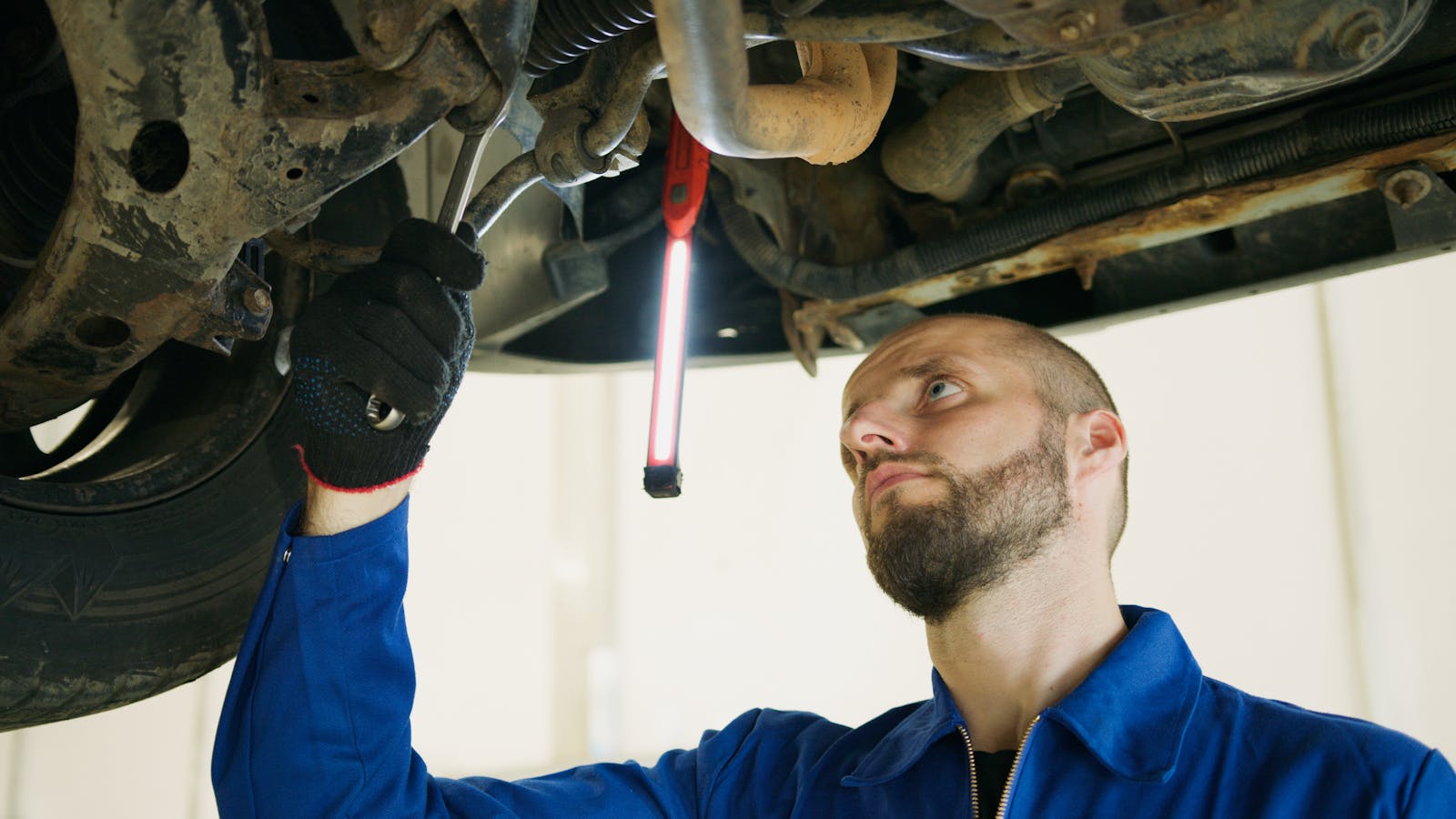

She only took the car in because it was doing that thing where every small noise makes you turn the radio down and listen like a detective. The check engine light had been flickering on and off for a week, and the steering felt a little “floaty” on the highway, like the front end was arguing with the rest of the car about where it wanted to go.
The mechanic shop wasn’t some random back-alley place, either. It was the kind of small, busy garage with a handwritten sign about “NO CHECKS,” a waiting room that smelled like burnt coffee, and a guy at the counter who called everyone “hon” without sounding creepy. She’d been there before for an oil change and a brake job, and nothing had ever felt off.
So when they told her, casually, that they’d need the car for a couple days to “track down the issue,” she shrugged and handed over the keys. It wasn’t until she got the car back that she started feeling like her vehicle had been treated less like a customer’s property and more like a parts drawer.
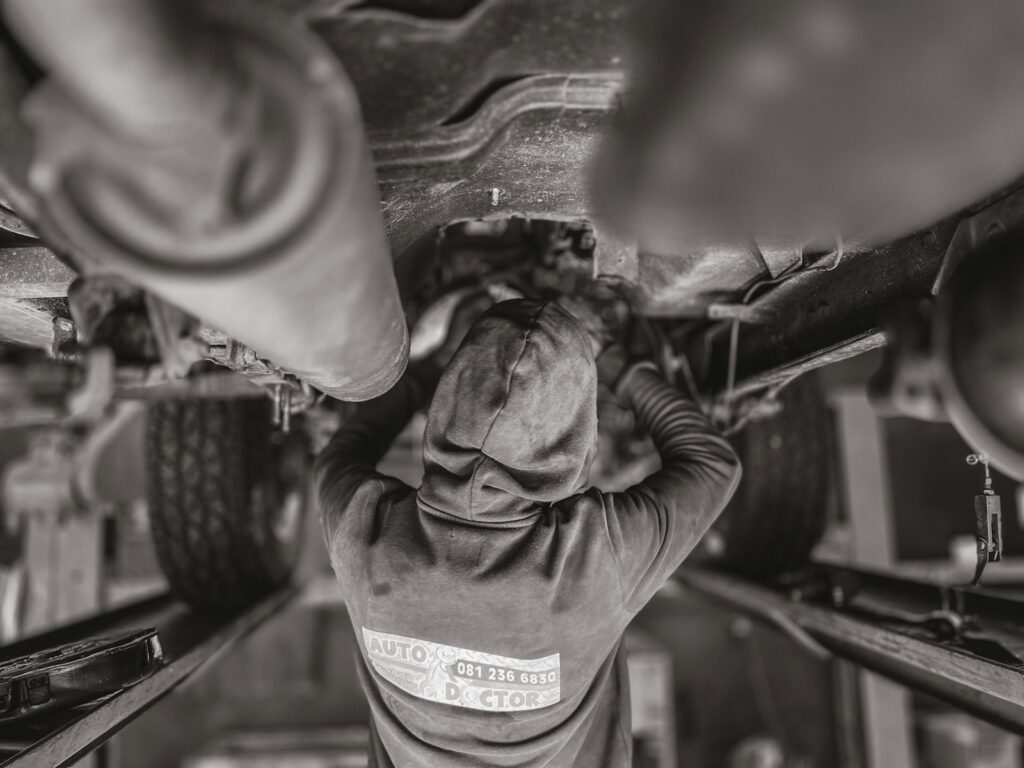
The pickup that didn’t feel right
When she came to pick it up, the shop was slammed. A couple people were pacing by the counter, someone was arguing softly about a warranty, and the mechanic who usually talked to her kept disappearing into the bay mid-sentence like he was juggling too many fires.
They told her the problem was “a sensor” and something “minor” in the steering, handed her an invoice that looked normal at first glance, and sent her on her way. She noticed it immediately: the steering wheel wasn’t just different, it was wrong—stiffer in a way that made low-speed turns feel like lifting weights.
She drove a few blocks, did a slow circle in an empty lot, and felt that weird lag between turning the wheel and the car responding. It wasn’t dramatic enough to be obviously unsafe, but it was different enough that she couldn’t convince herself she was imagining it.
Back at home, she popped the hood mostly to calm her anxiety, like checking your stove after you’ve already locked the door. But then she saw a couple things that didn’t match what she remembered: clamps that looked brand new in one spot, and a dusty empty outline where something had clearly sat for a long time.
Little inconsistencies start stacking up
She didn’t have a mechanic’s knowledge, but she did have a good memory for what belonged to her car. A few plastic fasteners on an interior panel were missing, and one of the splash guards under the front end looked like it had been removed and reattached in a hurry.
The next morning, she called the shop and explained the steering felt worse. The guy on the phone sounded annoyed in that tight, polite way, telling her it might “just need time” after the repair, like her car’s feelings were settling into a new routine.
She brought it back anyway, because she couldn’t shake the sense that something had been swapped. The shop kept the car for another day, then told her everything checked out, and that she should “give it a few drives.”
That should’ve been the end of it, but the feeling of being dismissed stuck to her. She started taking photos of little things—labels, part numbers she could see, the condition of bolts and brackets—because she couldn’t figure out how else to prove what her gut was screaming.
The moment she realizes her car was a donor
The tipping point wasn’t a dramatic breakdown on the freeway. It was a conversation she overheard when she swung by unannounced to ask a simple question about the invoice.
She walked into the waiting area and heard the counter guy talking to another customer in that “buddy, we got you” tone. The other customer was complaining about how hard it was to find parts for their vehicle and how they needed it back fast, and the counter guy said something like, “We had to get creative, but we took care of it.”
She didn’t think much of it until she glanced through the window into the bay and saw her own car up on a lift again. Another car—similar make, similar year—was parked nearby with its hood up, and one of the mechanics was moving back and forth between the two like he was playing matchmaker.
Her stomach did that cold drop. It wasn’t just the fact that her car was up again after they’d supposedly “checked everything.” It was the way the mechanic was handling parts: not opening new boxes, not referencing a work order, just pulling something off one car and walking it over to the other.
Confrontation at the counter
She waited until the mechanic came out, and she asked—plainly, not yelling—why her car was on the lift again and what they were doing. The counter guy tried to keep it light, saying they were “double-checking” something, but his eyes flicked toward the bay like he was hoping she hadn’t seen what she saw.
She asked if any parts had been swapped. The air in the room changed immediately, like someone shut a door on all the casual friendliness.
The mechanic she recognized—grease on his forearms, tired face—said something along the lines of, “No, ma’am, we didn’t take anything off your car without authorization.” It came out too fast, like a rehearsed sentence, and she noticed he didn’t actually answer what she’d asked about the other vehicle.
She pulled up the photos on her phone and showed them, pointing out that a part looked different than it had before, and that bolts had fresh tool marks that weren’t there a week ago. The counter guy leaned in, squinted like he was doing her a favor, then straightened up and said, “Those things get replaced sometimes during diagnostics.”
That’s when she asked for her old parts back. Not a refund, not an apology—just, “If you replaced anything, I want the old parts.”
Apparently, that was the wrong request. The mechanic muttered that they’d “disposed” of them, and the counter guy tried to redirect into a lecture about how customers don’t usually ask for that and it’s not “standard.”
How it snowballed into a messy standoff
She didn’t leave. She stood there with her keys in her hand and said she wanted the car lowered immediately and returned in the condition it was dropped off, or she was calling the police.
The shop didn’t like that. The counter guy’s voice got sharper, and he started talking about how she was “disrupting business” and how they “had a right” to finish their work, like the car on the lift belonged to them until they were done with it.
What made it uglier was the other customer, the one with the similar car, hovering nearby. He kept shifting his weight, looking between them, and at one point he said, quietly, that he “didn’t know anything about that,” which didn’t help anyone’s nerves.
Eventually, the owner came out—older guy, calmer voice, the kind of person who’s practiced at putting out fires without admitting there was ever smoke. He asked her to step aside and talk, and she told him what she saw: the back-and-forth between cars, the missing fasteners, the changed feel of the steering, the refusal to provide old parts.
The owner didn’t outright confess. He did that careful thing where he acknowledged her feelings without confirming her facts, saying, “Sometimes parts can look different depending on the supplier,” and “We’d never compromise a customer’s safety.”
But then he offered something that gave away the game a little: he said they’d “make it right” by ordering a new part for her car at no cost and installing it when it arrived. The offer sounded generous until you remember the question she kept asking—why was her car being treated like an inventory shelf in the first place?
What she’s left with now
She took her car back that day, but the victory didn’t feel clean. The steering still felt off, and now she had the added stress of wondering what else had been touched that she hadn’t noticed yet.
She started calling other shops for an inspection, and that’s where the story got even more frustrating. A couple places told her, delicately, that proving a shop swapped parts without permission is hard unless you have before-and-after documentation or a clear mismatch in serial numbers, and most people don’t take glamour shots under their hood before dropping off a car.
So she’s stuck in that maddening middle zone: she’s certain something happened, the shop is acting like she’s paranoid, and the “fix” they offered depends on trusting the same people who just tried to talk her out of her own observations. The car runs, technically, but now every creak and every slightly weird turn feels like a reminder that someone treated her property like a convenient solution to someone else’s problem.
The part that lingers isn’t even the money. It’s the way the shop seemed to bet on her not noticing, not asking, not pushing—like her car was a safe target because she didn’t look like the kind of customer who’d argue. And now she’s sitting with this uneasy question she can’t fully answer: if they were bold enough to do it in the open with her standing right there, what were they comfortable doing when she wasn’t watching?
More from Steel Horse Rides: