
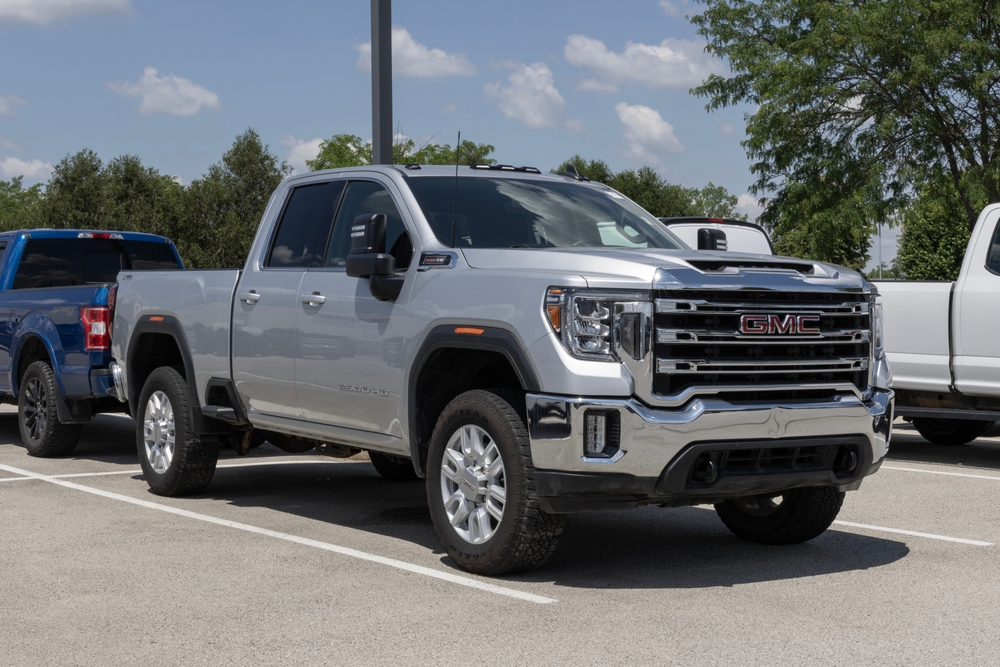

He bought the truck the way most people do when they’re trying to be responsible but also a little excited: he showed up early, coffee in hand, already picturing weekend dump runs and snow days where he wouldn’t have to beg a friend with four-wheel drive. The dealer had it washed and parked out front like it was posing for a profile picture—clean tires, shiny hood, the kind of “pre-owned” glow that makes you forget you’re shopping for someone else’s problems.
The buyer asked the question everyone asks, because it’s the one thing you can’t unsee once you’ve been burned: “It’s never been wrecked, right?” The salesperson didn’t hesitate. “No accidents. Clean history. You’re good,” he said, tapping the roof with his knuckles like the truck itself was backing him up.
For a couple days, it was fine. The buyer did the new-owner routine—ran errands just because he could, parked it where he could see it, texted a photo to a buddy like he’d just adopted a large, expensive dog. Then the weather turned, the sky opened up, and his “never been wrecked” truck started raining on the inside.
The first storm and the first drip
It started subtle, which almost made it worse. He noticed the headliner above the driver’s seat looked a shade darker, like a shadow that wasn’t there yesterday. Then a cold drop hit his forearm while he was stopped at a light, and he did that confused glance around like someone in the car behind him had thrown something.
Another drop followed. Then another. He reached up and his fingers came back wet, and suddenly the cab felt smaller, like the truck had betrayed him and he was stuck in it with the evidence.
He pulled into a gas station canopy and stared at the ceiling. The headliner wasn’t just damp—it was sagging, like it had been stretched over something that didn’t belong there anymore. Water was tracking along a seam that looked too straight, too intentional, like someone had tried to draw a new roof line with a ruler and optimism.
“That’s… not how roofs look”
When he got home, he did what anyone would do: he climbed up and checked. On top, the paint didn’t match the way it should under different angles—one panel had a slightly different texture, the kind you only notice once you’re looking for it. Near the rear of the cab, there was a thin line where the roof met something that felt like a patch, and the patch met… glue.
Not weld. Not factory seam sealer. Glue—thick in places, smeared like it had been applied in a hurry and then sanded down just enough to stop people from asking questions. You could see the ripple in the metal where it had been pulled or pushed, like a scar someone tried to hide with makeup.
He grabbed his phone flashlight and traced the line again, slower this time. The more he looked, the clearer it got: the roof had been off, or cut, or replaced, and somebody’s version of “fixed” was “stick it back on and sell it before it rains.”
The dealership visit: polite, then not
The next morning, he drove back to the dealership with the kind of calm that isn’t calm at all. He brought photos and a short video of the drip hitting his arm, because he’d learned the hard way that “trust me” gets you nowhere once money’s changed hands. He walked in and asked for the same salesperson, the same one who’d tapped the roof like it was solid.
The salesperson came out smiling, until he saw the buyer wasn’t there to chat about accessories. The buyer showed him the pictures, then held up the video like it was a receipt. “You said it was never wrecked,” he reminded him, trying to keep his voice even.
The salesperson’s face did that shift people do when they’re deciding how much truth they can afford. First it was, “Well, used vehicles can have wear and tear.” Then, “Did you take it through a car wash?” Then, “We can have service take a look.” Every sentence was designed to make the buyer feel like maybe he’d caused the roof to detach through sheer irresponsibility.
They walked out to the truck. The buyer pointed up at the roof line and asked him to explain the glue. The salesperson stared for a second too long, like he was reading a script in his head and the next page was missing.
The service bay inspection that turned into a standoff
Service didn’t look thrilled to be involved. The tech stepped out, glanced at the roof, and his eyebrows went up in a way that said he’d seen this kind of “repair” before and it never came with good news. He ran a hand along the seam and didn’t even have to say much—his silence was loud.
The buyer watched the tech check inside for water trails and pull back a corner of trim. There was staining deeper than a one-time leak, and the adhesive line wasn’t just sloppy; it was structural in the worst possible way, like someone had used household confidence instead of metalwork. The tech finally said something along the lines of, “This isn’t factory,” and the buyer felt that hot mix of relief and rage because, yes, he wasn’t crazy—but also, great, now it was real.
The dealership’s tone changed again, this time into controlled defensiveness. The manager came over with the classic posture of someone about to explain why the problem isn’t really a problem. He asked what the buyer wanted, like it was a negotiation about feelings instead of a roof that had apparently been reattached like a school project.
The buyer said he wanted out of the deal or the truck made right—actually right, not “we’ll run a bead of sealant and hope.” The manager started talking about “as-is,” about inspections, about how they rely on reports and what the prior owner disclosed. He didn’t say “we promised it had never been wrecked” because he didn’t have to; the buyer could feel the dealership trying to erase that sentence from the room.
The paper trail and the awkward truths
That’s when the buyer started pulling up everything he’d saved. He had the listing screenshot where it mentioned a “clean” history. He had the messages where he’d asked directly about accidents and got a clean answer back. He even had the salesperson’s little roof-tap moment burned into his memory, which isn’t legally binding but sure does feel personal when you’re getting dripped on.
The manager asked for time to “review the file,” which meant the buyer got to stand in that waiting area with stale coffee and a TV playing daytime nonsense while his truck sat outside leaking like a punchline. Other customers walked by and glanced at him, and he couldn’t tell if they thought he was waiting for an oil change or waiting to find out how badly he’d been taken.
When the manager came back, the offer wasn’t an apology. It was the business version of a shrug: they could reseal the roof and “address the leak,” maybe throw in a detail, maybe offer a small service credit like that would dry out a headliner and a sense of trust. They kept skirting the word “wrecked,” like saying it out loud would activate something.
The buyer asked if the dealership would put in writing that the truck had never been in an accident. The manager didn’t answer directly, which answered it. The room went quiet in that thick, awkward way where everyone knows the next step involves lawyers, complaints, or a whole lot of yelling—and nobody wants to be the one to start it.
What he’s stuck with now
He drove home with the leak temporarily “checked,” meaning they dabbed at it and told him to come back if it happened again. The weather forecast turned into a threat. Every cloud felt like a test, and every time he parked, he caught himself looking up at the roof line like it might shift in the night.
The worst part wasn’t even the water; it was how quickly the dealership slid from confident promises to careful language. “Never been wrecked” had been so easy to say when it closed the sale, and suddenly it was a complicated concept with a lot of caveats when the roof started behaving like it had been stitched together in a driveway. He kept replaying that first conversation, wondering if the salesperson knew or if the whole place ran on plausible deniability.
Now he’s sitting on a truck payment and a growing folder of photos, messages, and repair notes, trying to decide which fight is the least exhausting: pushing for a buyback, escalating through corporate channels if there are any, or paying an independent body shop to tell him exactly how bad the roof job is. The truck still drives, still looks good from twenty feet away, and that’s the maddening part—because if you didn’t know where to look, you’d think it was fine.
But he does know where to look. Every time it rains, he hears it first—not on the windshield, but above his head—like a faint warning that the story of this truck was always going to come through eventually, one drop at a time.
More from Steel Horse Rides: