
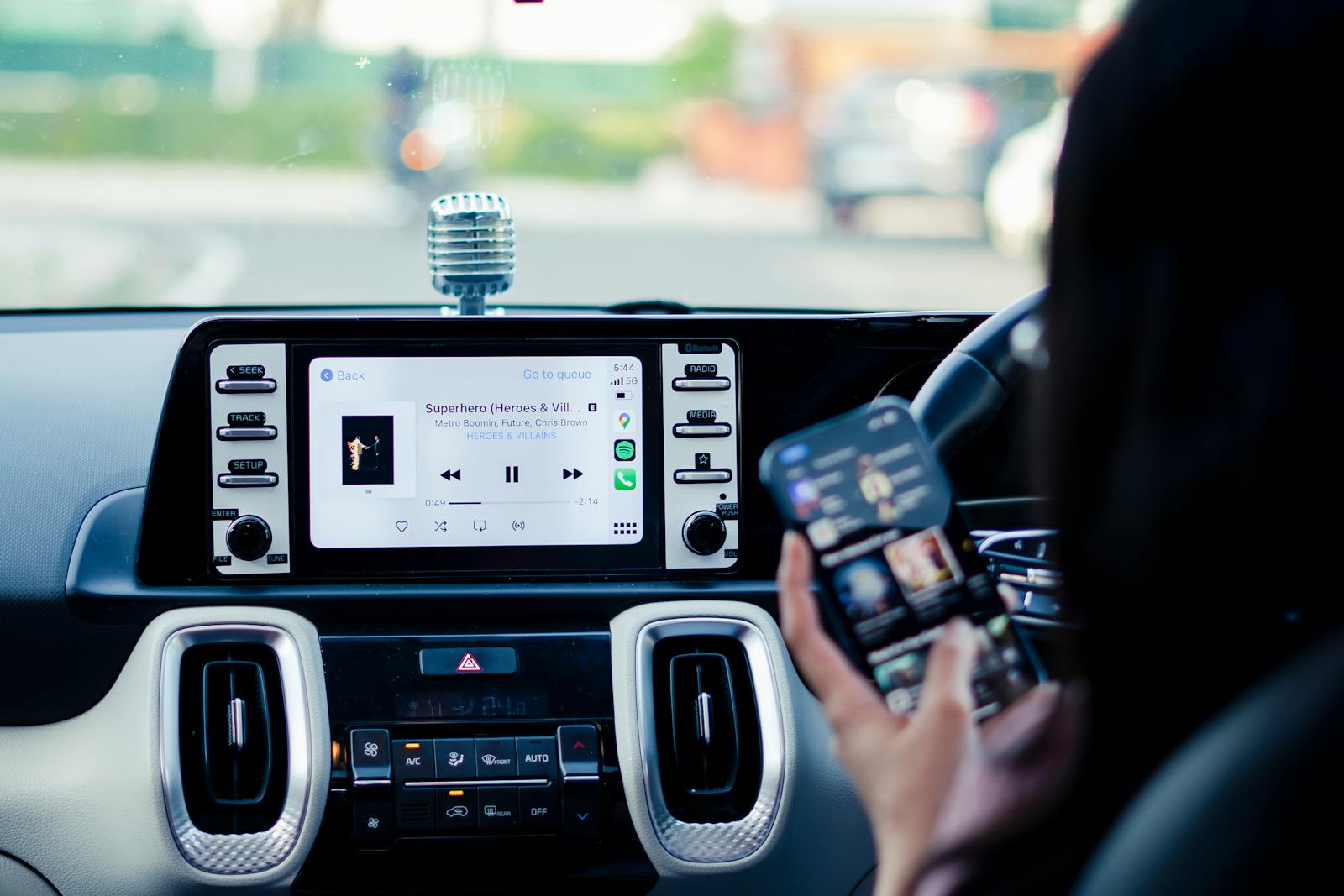

It started like a normal late-night ride: a Lyft driver doing the last couple trips before calling it, the kind where the city feels half-asleep and the passengers are either overly chatty or completely silent. This driver had a clean car, a dash-mounted phone, and that tired-but-polite rhythm you get after hours of “How’s your night going?” on loop.
The passenger that got in around midnight didn’t seem like trouble. She looked put together in a slightly frazzled way—hair done, makeup still holding on, phone in her hand like it was glued there. She gave an address, slid into the back seat, and spent most of the ride tapping out texts with that sharp, irritated thumb motion people get when they’re arguing without using their voice.
The trip itself was uneventful, which is exactly why what happened next hit the driver like a sudden pothole. She got out, the driver watched her door close in the mirror, and he pulled away. Not even ten minutes later, his phone lit up with a message that flipped the whole night sideways: she claimed she’d left her purse in the car.
The “I left my purse” message and the immediate panic
Drivers hear this kind of thing all the time. Phones slip between seat cushions, keys end up in cupholders, someone’s vape falls into that black hole between the seat and the console. The driver pulled over, turned on the cabin light, and did the standard sweep: back seat, floor mats, under the front seats, the door pockets, even the trunk just in case.
Nothing. No purse, no clutch, no tote bag. He checked again anyway, because people can miss obvious stuff when they’re tired and annoyed, and also because there’s a special dread in realizing someone’s about to accuse you of stealing.
He messaged back that he couldn’t find it and asked what it looked like. The passenger replied fast, like she’d been waiting: small black purse, gold zipper, “has my ID and cash,” and she added a line that shifted the vibe from lost-and-found to something sharper. She told him she knew she had it when she got in, and if it wasn’t in the car now, “someone” had taken it.
She wants him to come back—right now
The driver offered the usual: he’d keep looking and would bring it if it turned up. He also asked if she might’ve left it where she’d been picked up, because lots of people realize they’re missing something and assume it vanished during the ride. She didn’t bite on that at all.
Instead, she pushed hard for him to come back immediately. Not “please,” not “when you can,” but a demanding tone like he owed her a return trip on command. She sent the drop-off location again and said she’d be outside waiting, which was odd because she’d already been dropped off at home.
He hesitated, because drivers know this dance: if you go back, you’re putting yourself face-to-face with someone who’s already decided you’re guilty. But if you don’t go back, they’ll tell Lyft you refused to return stolen property, and suddenly your account is under review while you’re trying to pay rent.
He agreed to swing by, partly to keep it calm and partly because his gut said clearing it up in person would be better than letting it spiral through the app.
The curbside confrontation that doesn’t match the “lost purse” vibe
When he pulled up to the address, the passenger was outside, but she wasn’t alone. There were two people with her—one standing a little behind her like backup, the other hovering near the sidewalk with arms crossed. It didn’t look like friends casually hanging out; it looked like people waiting for a confrontation.
She walked up to the car before he’d even put it in park. The driver cracked the window, and she immediately started talking over him, insisting he “check again” because it had to be there. He offered to open the back door and let her look, which is usually enough to settle things, but she wasn’t acting like someone trying to find something—she was acting like someone building a case.
She filmed him with her phone. Not discreetly, either—phone up, camera pointed straight at his face, that little tilt people do when they want the shot to feel accusatory. The driver kept his voice calm and opened the back door, turning on the light so everyone could see: empty seat, empty floor, no purse.
That’s when her story started to wobble. She didn’t immediately dive in to search. She glanced around like she was checking whether the performance was landing, then said she must’ve “set it down” and he must’ve “missed it” earlier. The driver asked again what kind of purse it was, and she repeated the description, but now she added details that didn’t quite fit—first it was a small purse, then it was “kind of big,” then it was “more like a bag.”
Police get involved, and the app becomes the quiet third witness
Someone—either her or one of the people with her—called the police. The driver didn’t. He just stood there beside his car, hands visible, saying he wanted it cleared up because he hadn’t taken anything. It’s a miserable position: you’re trying to stay respectful while also realizing you’re being staged as the villain on a sidewalk.
When the officers arrived, the passenger switched into a polished, wounded tone. She said she’d taken a Lyft, she left her purse, she contacted the driver immediately, and now the driver was “acting weird” about returning it. The driver handed over his phone and showed the messages, including the part where he’d responded quickly and came back to help her search.
One of the officers asked the basic questions: when did she last remember having it, did she bring it into the car, did she maybe leave it at the pickup location. She insisted she had it at pickup, and she insisted she didn’t have it when she got out, which, if you think about it, only leaves a few possibilities—and she was pushing for the one where the driver is the thief.
Then an officer asked to see the Lyft trip details. Not just the message thread, but the timeline: pickup time, drop-off time, route, and the exact minute the “lost item” claim came in. It’s the kind of boring administrative detail nobody cares about until it suddenly matters.
And that’s where things started to crack. The “I left my purse” message wasn’t ten minutes after drop-off like the passenger implied. According to the app, it came much later, after a gap long enough that the driver had already completed another short ride. The timeline basically said: he dropped her off, drove away, picked up someone else, completed that ride, and only then did she report the missing purse.
The truth comes out in the awkward little details
The officers didn’t need to accuse anyone dramatically; they just asked questions that boxed the story in. If the purse was left in the back seat, how did the next passenger not see it? If she “knew right away,” why didn’t she report it right away? Why did the description keep shifting?
At this point the driver also did something drivers learn to do when they feel cornered: he offered up his car’s interior like evidence. He invited the officers to look, and they did—under seats, between cushions, trunk, everywhere. Still nothing. And the passenger, who’d been so confident earlier, stopped pacing and started folding in on herself, arms tighter, voice smaller.
Finally, under pressure, she admitted something closer to the truth, though not in a clean confession. She’d been at another place earlier that night. She’d been in and out of a friend’s car, then into the Lyft, and she wasn’t actually sure when she last had the purse—she just realized it was missing once she got inside and started digging around.
That’s a normal human mistake, and if she’d led with that, it probably would’ve been annoying but not explosive. What changed everything was how hard she’d leaned into the theft angle, how quickly she’d escalated to filming and bringing backup and calling the cops like she was setting up a scene instead of trying to recover her stuff.
The officers didn’t arrest anyone, because there was nothing to arrest the driver for. They told her, plainly, that the timeline didn’t support her accusation and there was no sign the purse had ever been in the car after she got out. The passenger looked furious—less like someone relieved to have clarity and more like someone whose plan didn’t land the way she expected.
The driver drove off with that specific kind of shake you get after being accused of something ugly while standing next to your own car. He knew the bigger problem might still be coming: she could file a complaint in the app, she could keep posting the video, she could keep insisting, even after the police basically walked her back from the edge. And that’s the part that stuck—because even when the app timeline tells the truth, there’s always the messy aftermath of someone who’s embarrassed, cornered, and still holding their phone like it’s a weapon.
More from Steel Horse Rides: