
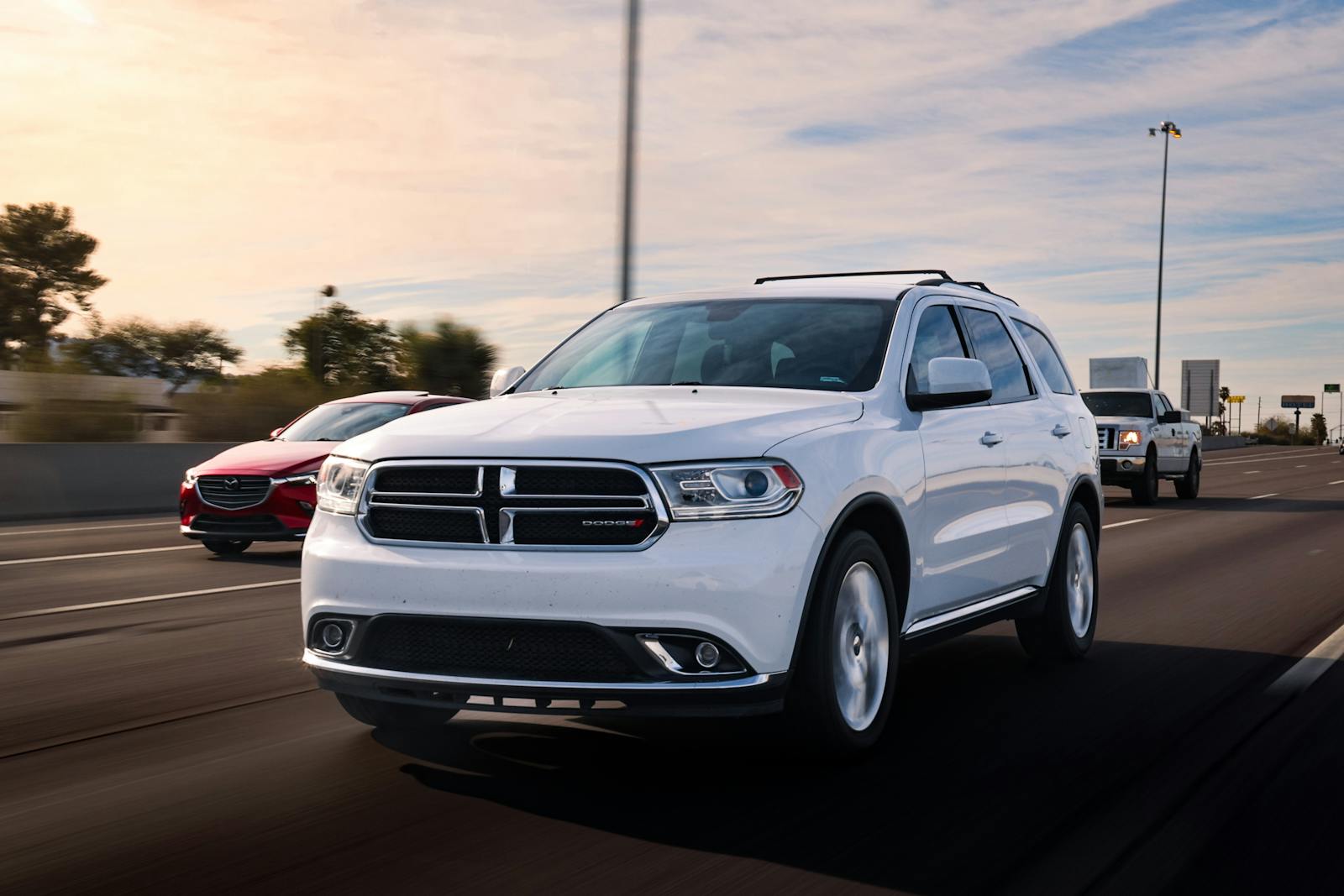

The family had done the whole “new car day” thing the way people actually do it: everyone a little tired, kids bouncing between sugar and boredom, the parents half-excited and half-stressed about the monthly payment. The SUV still had that plasticky new smell that clings to your clothes, and the touchscreen still had the factory protective film on it because nobody could agree on who got the honor of peeling it.
It was supposed to be the easy part of the week. A short highway drive, two kids strapped in the back with snacks, one parent up front fiddling with the climate controls like they were defusing a bomb, the other parent trying to keep the peace. They’d only had the SUV a couple of weeks, barely enough time to stop babying it around parking lot curbs.
Then, in the fast lane with trucks hemming them in, the brand new SUV did the one thing you don’t let yourself imagine a brand new SUV doing. It locked up—steering stiff, systems glitching, the whole vehicle acting like it had just decided “nope” at 70 mph—with their kids inside and nowhere safe to drift to.
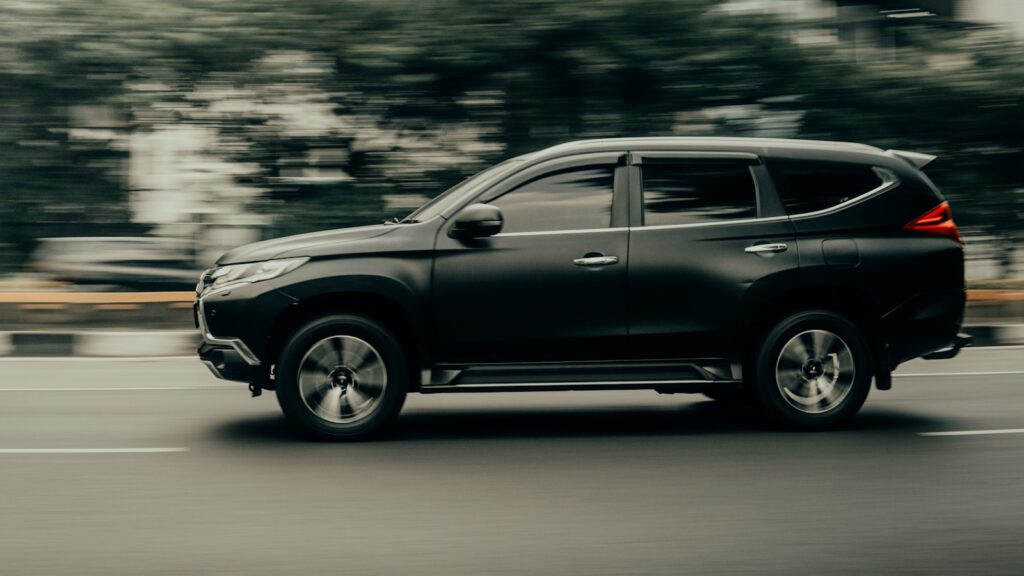
The “Wait, Why Isn’t It Moving?” Moment
It didn’t start as a dramatic failure, which almost made it worse. The driver felt a subtle hesitation, like the car had briefly forgotten what gear it wanted to be in, and then the dashboard lit up with warnings that weren’t the usual “low tire pressure” level of annoying. The kind of warnings that make you instinctively sit up straighter because you know you’re about to have a bad day.
The parent in the passenger seat noticed first that the driver’s hands weren’t making the usual tiny corrections on the wheel. The wheel looked like it was being held in place, not guided, and their conversation snapped from normal logistics to that urgent, clipped tone couples get when something’s wrong but they’re trying not to scare the kids. In the back, the kids were still doing kid stuff—arguing over a water bottle, asking for the iPad—until they felt the car’s weird, stuttering drag and the adults stopped answering normally.
They tried the basic stuff everyone tries when a modern car starts acting haunted: hazards on, eyes scanning for an opening, the driver easing off the throttle and trying to get over. Except the SUV didn’t respond the way it should, like it was resisting the most basic instructions. And on a highway, a couple seconds of “why isn’t it doing what I’m telling it to do?” feels like standing on train tracks and squinting into the distance.
Pinned Between Traffic and Panic
The worst part wasn’t even the failure itself—it was the squeeze. Trucks on one side, cars stacking up behind them, and that horrible moment when you realize nobody else knows you’re in trouble yet. To everyone around them, it just looked like a new SUV being indecisive, drifting slightly, not committing to a lane change.
The driver’s focus went narrow and intense, jaw set, eyes locked forward. The passenger was doing the frantic mental math of “how do we keep the kids calm without lying?” while also trying to see if there was any shoulder, any exit, any gap that wasn’t a gamble. The kids started picking up on it anyway, because kids can hear fear in the silence between words.
They ended up forcing their way toward the right, not with confidence but with that ugly, assertive move people make when they have no choice. The SUV shuddered, lurched, and finally gave them just enough cooperation to reach the shoulder. When they stopped, it wasn’t graceful—it was the kind of stop where your stomach keeps moving after the car doesn’t.
And then came the gut-punch detail: the doors. The parents said the vehicle “locked up,” and for them that included the feeling that the SUV was in charge now, not them. Whether it was a software lock, a power glitch, or something in the system refusing inputs, the experience in the moment was simple—kids in the back, a vehicle that wasn’t obeying, and a shoulder that didn’t feel safe enough to treat as a parking spot.
The Call for Help, and the Weird Limbo After
Once they were stopped, you’d think the tension would drain out. Instead it changed shape. They were stuck in that purgatory where you’re not actively crashing, but you’re also not sure your car won’t decide to do something dangerous again the second you try to move.
The driver tried restarting it, because that’s what people do now—turn it off, turn it on, pray. The passenger got on the phone, talking to roadside assistance or emergency services in that forced-calm voice where every sentence is trying to sound normal and urgent at the same time. In the back seat, the kids were suddenly very aware that they were on the side of a highway and their parents were making decisions without explaining them.
When help arrived—tow truck, maybe a patrol officer—the family expected the usual script: get everyone out, get them to safety, load the car, end of story. But they described it as messier than that, with awkward pauses and uncertainty, like even the professionals weren’t totally sure what the car was doing or how stable it was. Modern vehicles aren’t just mechanical anymore; they’re computers with wheels, and when computers misbehave you can’t always see why.
The SUV went to a dealership or a service center, and the family went home with that shaky after-feel people get after a close call. They were grateful it wasn’t worse, but also furious because it easily could’ve been. A brand new vehicle is supposed to buy you peace of mind, not introduce a new category of fear.
Dealership Shrugs and the Customer Service Maze
The next phase wasn’t cinematic. It was phone calls, service advisors, being put on hold, repeating the same story like a ritual. The family wanted a simple answer—what happened, can it happen again, and why is this possible in a vehicle that’s basically still on its first tank of gas?
Dealership interactions have a special way of making people feel both dependent and dismissed. The family reportedly got the usual blend of politeness and vagueness: “We’ll run diagnostics,” “We can’t replicate it,” “These systems are complex,” “It’s probably a sensor,” “It might be software.” That last one lands differently when your kids were in the back seat during the “software” moment.
They pushed for documentation, for written explanations, for timelines. They wanted it on record that this wasn’t them being dramatic about a random dashboard light. The more they pushed, the more the responses sounded like a company trying to keep options open—because once something is officially acknowledged, it stops being a customer service issue and starts smelling like liability.
Meanwhile, the family still needed a car. They were juggling school drop-offs, work schedules, groceries—normal life stuff—while also dealing with the fact that their confidence in the SUV had evaporated. Even if the dealership said it was “fine,” the parents now had that intrusive mental image of the steering going stiff in traffic, and that’s not something a tune-up erases.
The Recall Notice That Felt Like an Insult
Then, after all that, the recall notice arrived. Not before the highway incident. Not as a proactive warning. It showed up afterward, like a late apology that didn’t actually say sorry.
It was the kind of letter that’s carefully written to sound calm and procedural, full of phrases like “certain vehicles may be equipped with…” and “under certain conditions…” The family read it and felt that specific kind of rage that comes from realizing you weren’t unlucky—you were early. Whatever had happened to them had happened to enough people, or was risky enough, that the manufacturer had to formalize it, but the timing meant their kids were in the experiment phase.
The recall didn’t magically explain their exact moment on the highway, but it was close enough to make their stomachs drop. It confirmed that there was a known problem in the neighborhood of what they experienced, which made the earlier dealership uncertainty feel less like a mystery and more like a stall. The letter offered the standard remedy—bring it in, get it inspected, get a fix—like that was an even trade for the memory of their SUV refusing to cooperate at speed.
By this point, the conflict wasn’t just “car broke, company fixes.” It became personal. The family wanted someone to admit that a brand new vehicle can’t be allowed to “lock up” in any way that traps people inside or steals control on the highway, and they wanted to know why they had to nearly lose a lane—or worse—before the paperwork caught up.
They’re left in that ugly middle ground where nothing is fully resolved: a manufacturer offering a recall as if it’s routine maintenance, a dealership that may or may not have answers, and parents who now flinch a little every time they merge. The SUV can be repaired, updated, reset, whatever the official solution is, but the real issue is harder to service—the feeling that the system is designed to move at corporate speed, even when the failure happens at highway speed, with kids strapped into the back seat and no room for “a little too late” to mean anything at all.
More from Steel Horse Rides: