
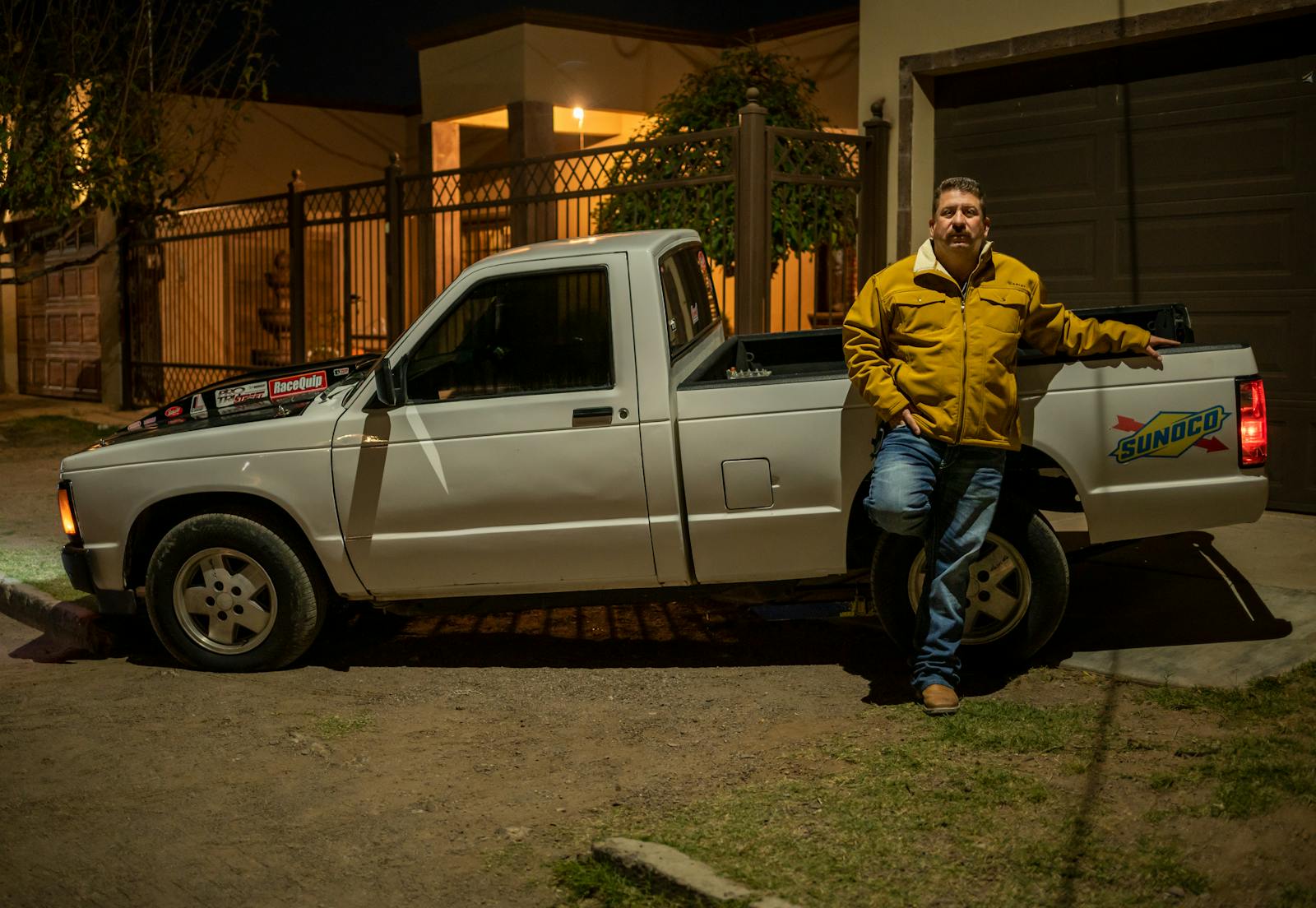

He’d loaned out his truck a hundred times without thinking twice. It was the kind of arrangement that happens when you’ve known someone long enough that “buddy” stops being a label and becomes an assumption: of decency, of reciprocity, of not making your life harder for no reason.
So when his friend texted asking to borrow it for “a quick run,” he tossed him the keys like it was nothing. The truck wasn’t new-new, but it was clean, reliable, and he’d kept up on it because he needed it for work. The only thing he asked was the usual: bring it back with the same amount of gas, and don’t do anything stupid.
The first sign something was off wasn’t a confession or a nervous call. It was how the buddy returned the truck like he was trying to blend into the wallpaper—parked it slightly crooked, hopped out fast, and started talking a little too loudly about how traffic was “insane” and people “can’t drive.” The owner didn’t even notice the damage until the buddy was already halfway through the goodbye.
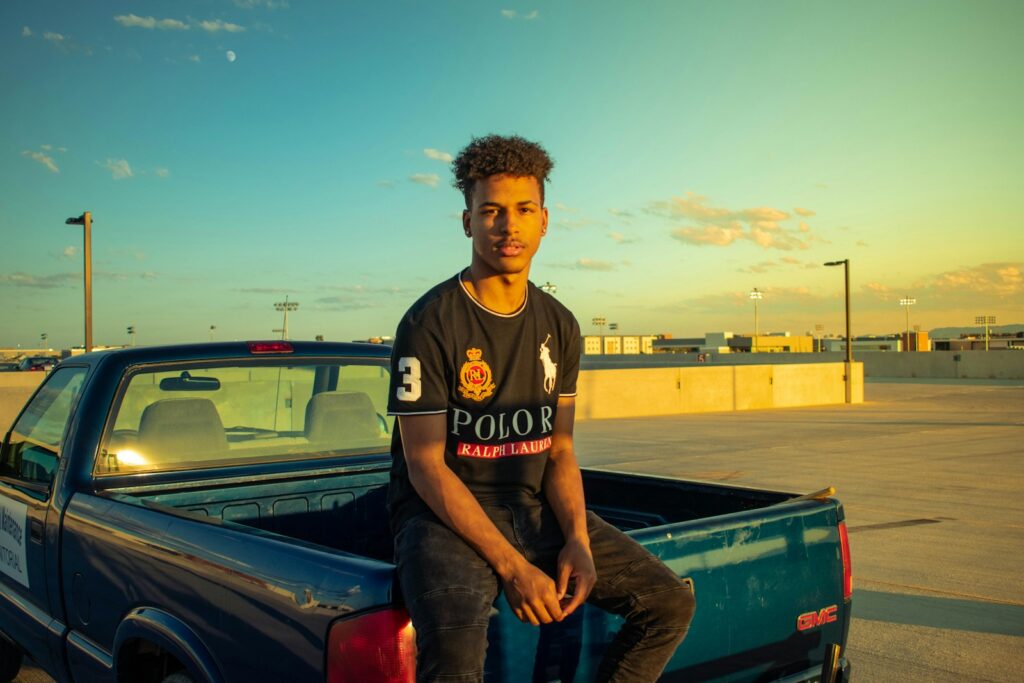
The dent that didn’t match the story
When the owner walked around to the passenger side, his stomach dropped. The rear quarter panel was crumpled in a way that looked expensive, and the taillight had a spiderweb crack running through it. There were scuffs down low like something had scraped along the side, not a clean hit-and-run kiss from a bumper.
He called out, calm at first, like maybe there was a reasonable explanation. The buddy did that thing where he looked at the damage as if seeing it for the first time, then immediately started narrating possibilities. “Dude, what the hell? That wasn’t there earlier. Maybe someone hit it while I was inside the store?”
The owner just stared at him. The buddy’s story had a lot of energy and zero details—no location he could name, no time, no “I parked next to this truck” or “I heard a crunch.” It was all vague, defensive fog, and it made the owner’s irritation turn into something colder.
He pushed a little: which store, which lot, did he take pictures, did he leave a note, did anyone see anything? The buddy’s answers got weirdly clipped, like each question was an accusation. He insisted he’d been gone “two seconds,” insisted he didn’t notice it until now, then insisted the owner was “coming at him” for something he didn’t do.
The trickle-truth starts leaking
The owner didn’t buy it, but he also wasn’t trying to have a screaming match in the driveway. He said they’d deal with it like adults: figure out what happened, report it properly, and let insurance handle it. The buddy nodded too quickly, agreed too quickly, and left too quickly.
That night, the owner looked closer and found little tells that didn’t fit the “mystery parking lot” angle. There was a streak of paint transfer that looked like it came from a fixed object, and the scrape pattern ran in a direction that suggested a slow, grinding impact. It looked like someone backed into something and kept going, not like a random car clipped it and drove off.
He texted the buddy again, asking for the exact place and time so he could file a report. The buddy took hours to respond, and when he did, it was another non-answer: “Bro I told you, I don’t know. It was probably some idiot in the lot.” The owner asked for receipts, literally—any proof of where he’d been.
That’s when the story began to change. Suddenly the buddy remembered it was actually two stops, and actually he’d been at a friend’s place for a minute, and actually maybe he “bumped something” but it “wasn’t a big deal” at the time. It wasn’t an apology so much as an attempt to shrink the reality down to a minor incident that shouldn’t require consequences.
The lie turns into paperwork
The owner started the insurance claim the next day because he couldn’t afford to wait around for his buddy’s conscience to kick in. The truck was still drivable, but the damage wasn’t cosmetic in a way you can ignore forever. Panels don’t uncrumple themselves, and cracked lights don’t get safer with time.
Insurance asked the questions insurance always asks: who was driving, where did it happen, was there a police report, are there photos. The owner told the truth as best he could—his buddy borrowed it, returned it damaged, and claimed it happened in a parking lot with no details. Even saying it out loud felt ridiculous, like he was trying to file a claim based on vibes.
When the owner told his buddy the claim would list him as the driver, the buddy’s tone changed immediately. Now he was worried about his own insurance, his own record, his rates, his “future.” He asked if the owner could just say he’d been driving, or say it happened overnight, or say it was a hit-and-run so his name wouldn’t be involved.
It wasn’t just the lie anymore; it was the casual way the buddy tried to recruit him into it. The owner refused, and the buddy acted offended, like loyalty meant committing a small fraud to protect him from the consequence of smashing someone else’s property. The conversation ended with the buddy saying, “Fine, do what you want,” which is what people say when they’re trying to make you feel like you’re being unreasonable.
While the claim drags, the buddy plays normal
Insurance claims don’t resolve overnight, and that’s where the situation started to feel surreal. The owner was in this limbo of estimates, adjuster calls, and the possibility that the shop would need the truck for days. Meanwhile, the buddy went right back to acting like everything was normal, sending memes and asking about weekend plans.
The owner couldn’t get past the audacity of it. He’d look at the dent every time he walked outside, then get a text from the guy who caused it asking if he wanted to grab a beer. It wasn’t even that the buddy was trying to make amends; he was trying to smooth it over without acknowledging what he’d done.
Then came the part that made the owner feel like he was in a prank. Before the claim even cleared—before there was a check, before repairs were scheduled, before anyone had admitted anything cleanly—the buddy asked for another favor. Not a small one, either.
He needed a ride to pick up something “kind of important,” and he asked if he could borrow the truck again once it was “all sorted.” The phrasing was wild: like the truck had dented itself, like the insurance process was just a weather delay, like trust wasn’t the actual thing that had been totaled.
The confrontation nobody wanted finally happens
The owner didn’t explode right away, which almost made it worse. He just stared at the message for a long minute, feeling his patience evaporate. There are few things more insulting than being treated like you’re forgetful when you’re actually just trying to stay calm.
He responded with a simple no, and the buddy immediately pushed. “Why are you being like this?” “It was an accident.” “You’re acting like I did it on purpose.” He kept trying to reframe the issue as the owner being dramatic, not him being dishonest and careless.
That’s when the owner finally laid it out: the damage, the lies, the shifting story, the pressure to commit insurance fraud, and now the expectation of more help like nothing happened. He told him it wasn’t the accident that wrecked things—it was the way he tried to dodge responsibility and then waltzed back in for another favor. The buddy’s response wasn’t a real apology; it was a mix of excuses and wounded pride.
He tried to bargain, offering to “throw him some cash” once he had it, promising it would “never happen again,” saying he’d been stressed and didn’t think. But even then he couldn’t resist a little blame: if the owner had “better insurance,” if the truck wasn’t “so sensitive,” if the owner would “just relax.” The owner realized he was arguing with someone who wanted forgiveness without accountability.
By the time the claim crawled forward, the friendship was already in a weird suspended state—technically not over, but stripped down to something brittle. The owner still needed his truck fixed, still needed the paperwork to land right, and still had to worry about whether the buddy would suddenly decide to stop cooperating out of spite. And the part he couldn’t shake was how quickly “borrow a truck for a quick run” turned into a test of character the buddy failed, then tried to pretend never happened.
More from Steel Horse Rides: