
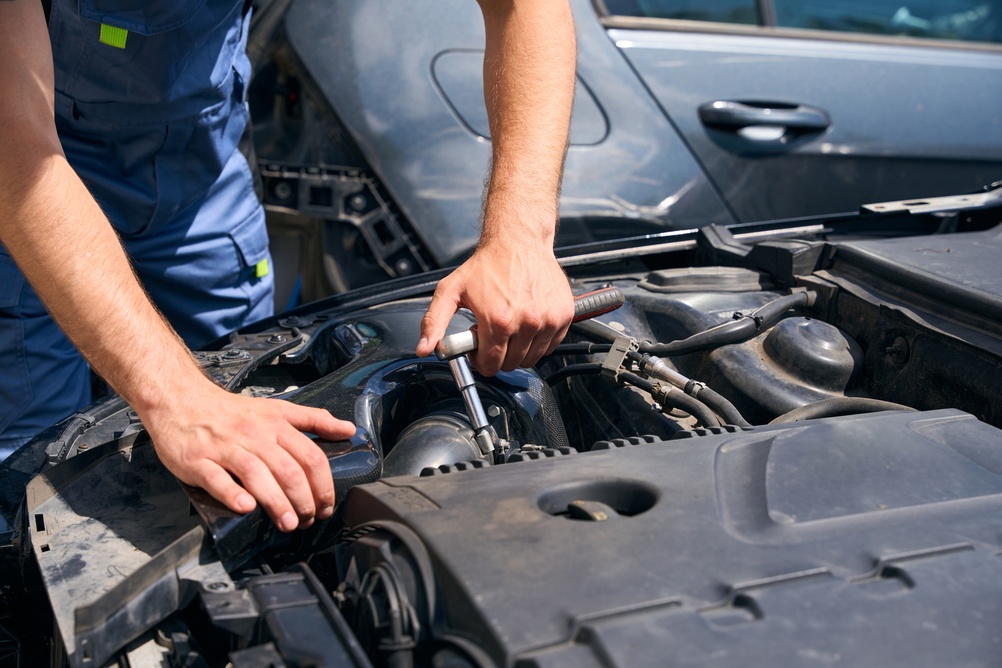

The kind of customer that makes the whole shop go quiet
It started like a normal Tuesday at a small independent mechanic shop wedged between a tire place and a payday loan storefront. The owner—one of those guys who can diagnose a bad bearing just by the pitch of a test drive—had a customer drop off a mid-2010s sedan with a grinding noise and a “it just started yesterday” shrug.
The customer wasn’t exactly friendly, but he wasn’t screaming either. He did that thing where he talked fast and vague, like he was trying to outrun questions: “It’s probably just pads, maybe a rotor, I don’t know, I’m late for work, call me when it’s done.” He signed the authorization, took a picture of the mileage on his phone, and left in an Uber like this was all routine.
By late afternoon, the shop had bad news that always triggers drama: it wasn’t just pads. The front brakes were metal-on-metal, one caliper was seized, and the rotor looked like it’d been chewed on. The estimate climbed from “a couple hundred” to “we need to talk,” and the mechanic already knew what kind of conversation it was going to be from the second he heard the guy’s voice when he called.
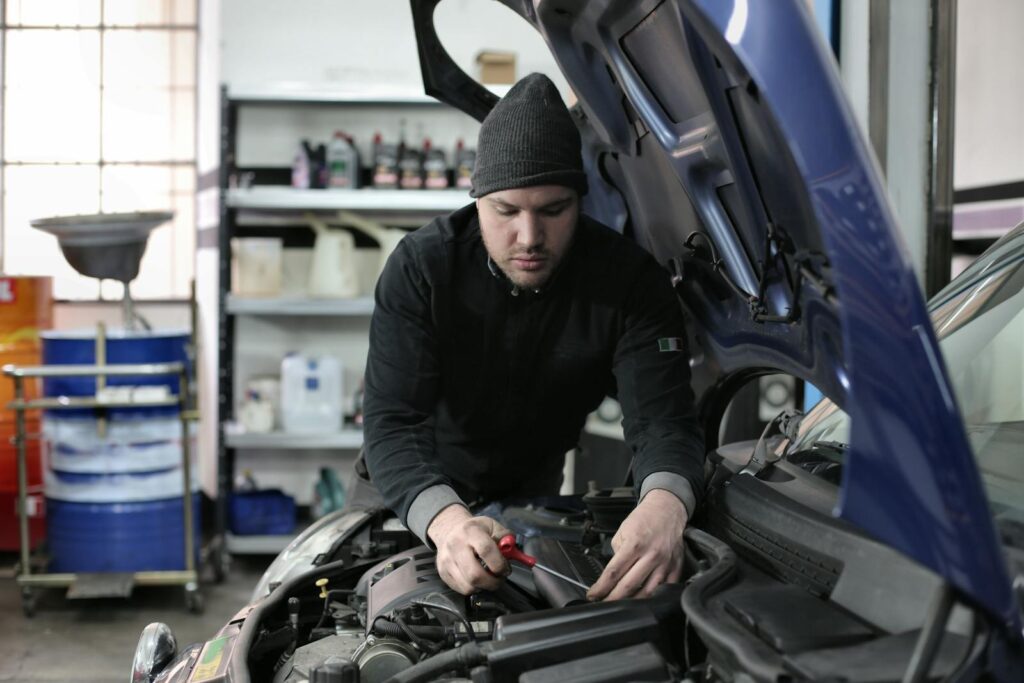
The estimate call that turned into a negotiation hostage situation
When the mechanic explained the seized caliper and the gouged rotor, the customer immediately went into prosecutor mode. He didn’t ask what brand parts they used or how long the labor took; he asked why it wasn’t caught sooner, like the shop had been secretly driving the car around for fun. He kept looping back to “it was fine yesterday,” which is the automotive equivalent of saying a glass fell off the counter by itself.
The mechanic did the usual calm rundown: the car came in grinding, they pulled the wheels, they found damage, here’s what’s unsafe, here’s what can wait. He offered options—pads and rotors now, caliper now, or tow it out if the customer wanted to shop around. That’s typically where rational people pick a path.
This guy didn’t pick a path. He started pushing for a discount in that aggressive way that isn’t really negotiating so much as daring the other person to argue back. “You’re trying to get one over on me,” he said, and the mechanic could already picture him standing at the counter later, insisting the shop was running a scam because he saw a YouTube video once.
Eventually the customer gave a clipped “fine, do it,” like he was granting permission under protest. The shop fixed it, documented everything, and set the old parts aside like they always do when someone smells like trouble. They called him when it was ready, and the mechanic made sure the front office knew: don’t let him leave without paying, and keep the conversation polite no matter what he tries.
Pickup day: the bill lands and the temperature changes
The customer showed up just before closing, which is always a little suspicious on its own. He walked in scanning the lobby like he expected an audience, and he didn’t even look at the car in the lot. He went straight to the counter and asked for the keys before he asked for the invoice.
The service writer slid the bill over, and the guy’s eyes did that quick flick where you can tell he’s doing the math of how much outrage he thinks he can perform. “This isn’t what we talked about,” he said, which was technically true only in the sense that he’d refused to talk about anything except the idea that the shop was ripping him off. The service writer pointed to the authorization notes, the parts list, and the line where the customer had approved the caliper replacement.
That’s when he changed tactics. He stopped arguing about the work and started arguing about the shop’s character. “You guys do this all the time,” he said, loud enough that the techs in the bays could hear through the open door. He claimed the mechanic told him one price and then “jacked it up,” and he threatened to “ruin” the shop with reviews, complaints, and “a lawyer” if they didn’t drop the bill.
The mechanic came up to the counter and tried to keep it adult. He offered to show the old parts, offered to walk him through why a seized caliper isn’t optional, offered to print the call log. The customer’s face stayed fixed in that performative anger—eyes wide, chin up—like he wanted the room to validate him.
The moment he realized the shop wasn’t scared of his threats
When the mechanic wouldn’t budge, the customer went for the nuclear option: he demanded the keys and said he was taking the car “whether you like it or not.” The service writer calmly said they couldn’t release it without payment, and the customer did that scoff-laugh like he couldn’t believe anyone would enforce a rule on him. He stepped back, pulled out his phone, and started recording.
He angled the camera toward the counter and started narrating his own story in real time. “These guys are refusing to give me my car,” he said, leaving out the part where there was a bill. He kept panning to faces, trying to bait someone into saying something spicy that would look good in a clip.
The mechanic didn’t bite. He just told him, again, he could pay, or he could arrange a tow out, and if he thought the invoice was wrong they’d provide documentation. That calm response seemed to make the customer angrier, because it didn’t give him a villain.
He finally paid—card slammed onto the counter, signature scribbled like an insult—then snatched the receipt and keys. On his way out he promised, again, that he’d “make sure everyone knows what kind of place this is,” and he said it with the smug confidence of someone who thinks they’ve found a cheat code.
He tried to set the trap… and walked into the camera first
Out in the lot, he didn’t just get in and leave. He lingered around the front of the car, looking back toward the office windows like he wanted someone watching. Then he crouched near the passenger-side wheel for a second, stood up, and started waving his arms like he’d discovered something horrifying.
A minute later he stormed back inside with his phone held out like evidence in a trial. “You didn’t tighten my lug nuts,” he announced, loud again, voice pitched for maximum alarm. He claimed the wheel was “about to come off” and that he “almost died pulling out,” even though he hadn’t actually left the parking lot.
The mechanic’s face apparently went dead in a very specific way—the way it does when someone makes a claim that’s either a misunderstanding or a setup. He didn’t argue on the spot; he asked the customer to wait a second and stepped into the back office. The shop had security cameras pointed at the bays and the front lot, the kind most places install because people steal catalytic converters and dump problem cars after hours.
On the screen, the story was painfully clear. The customer had not “almost died,” because he hadn’t even pulled onto the street. He’d walked straight to the wheel, crouched, and his hand made the exact motion of twisting, like he was trying to loosen something.
The footage, the confrontation, and the quiet part everyone understood
The mechanic came back out and didn’t do the dramatic “we have you on camera” speech. He just said, evenly, that they’d be happy to re-check the lug torque, but that the shop had security footage of the customer interacting with the wheel before coming back inside. The customer’s posture changed instantly—shoulders tightening, eyes darting—like someone whose script just got torn up.
He tried to pivot. He said he was “checking” because he “felt vibrations,” and now he was suddenly full of careful wording. The mechanic told him they would document everything and that if he wanted to make a formal complaint, he could, but the shop would be providing their own documentation as well.
They walked outside together, and the tech checked the wheel in front of him. The lugs were fine. Nothing was loose, nothing was missing, and the customer’s big “gotcha” evaporated into him standing there with his phone still recording, but with no climax to capture.
He didn’t apologize. He didn’t even fully back down. He just muttered that he was “still not happy,” climbed into the car, and left like he’d suddenly remembered somewhere else he needed to be. The mechanic didn’t chase him; he went back inside and told the staff to save the footage, save the invoice, and write everything down while it was fresh.
Afterward, the shop wasn’t celebrating, exactly—it was more like that drained relief you get when you realize you weren’t crazy for feeling the vibe was off. The customer still had the receipt, still had the ability to write whatever review he wanted, and still had a phone full of selectively filmed moments he could try to frame as a scandal. The only difference now was that the shop had its own version of the story, timestamped in grainy wide-angle, showing him trying to build a lie before he’d even left the lot.
More from Steel Horse Rides: