
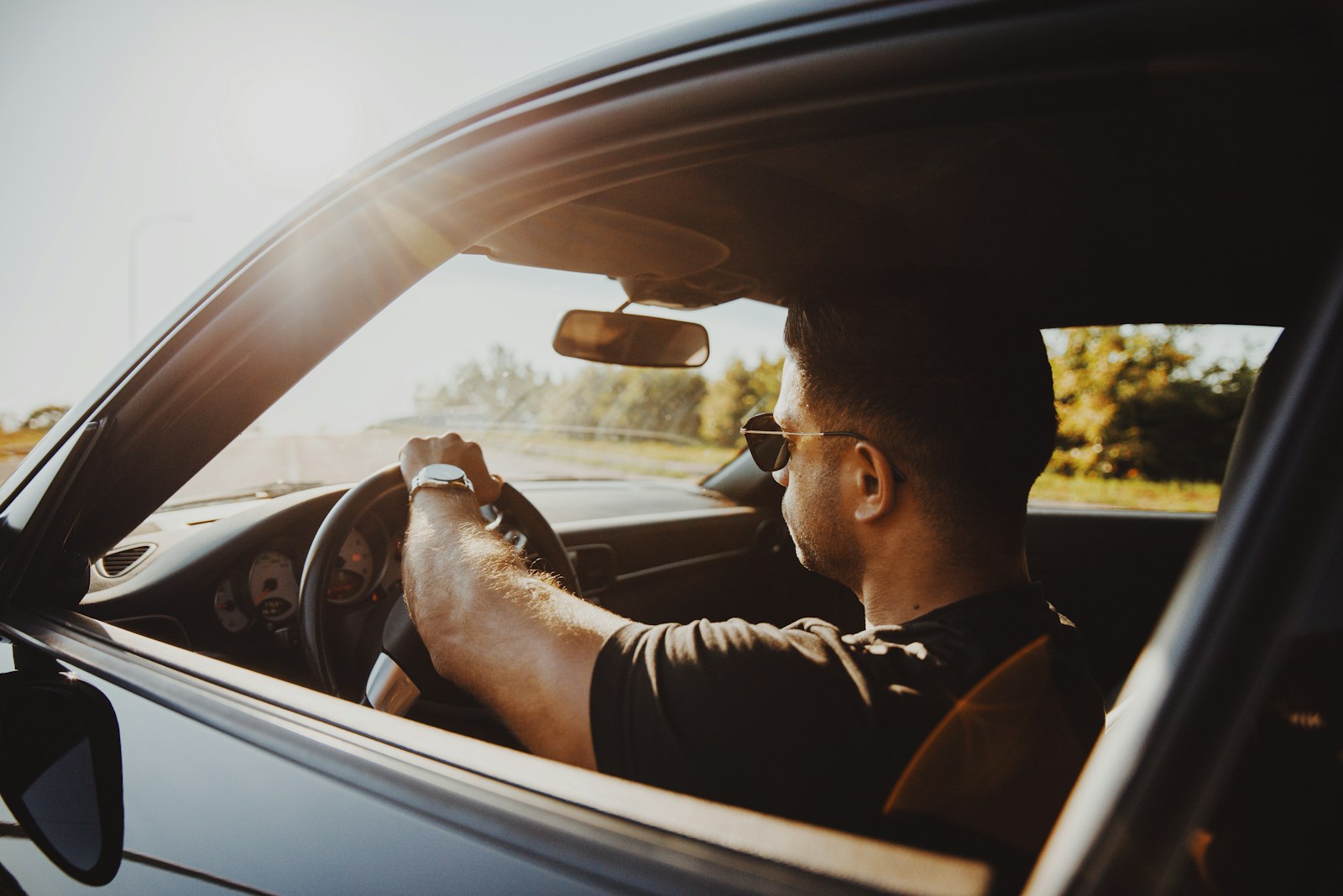

She dropped her car off the way people do when they’re trying to be responsible: keys handed over, quick summary of the weird noise, a half-joking “please don’t find anything expensive,” and then she went back to her day. The shop told her they’d need to take it for a short test drive to confirm the problem. Normal. Annoying, but normal.
A couple hours later, the normal part ended. Her phone buzzed with a message from a number she didn’t recognize, just a short line and a video attachment. The line said something like, “Is this your car?” and the video was her exact make and color, her exact wheels, being driven like somebody had a grudge against the speed limit.
It wasn’t a calm “tech verifying a rattle” kind of drive. The camera angle was shaky, the engine sounded like it was being wrung out, and the car was whipping through turns with the kind of confidence you only have when it’s not yours. The woman watched it once, then again, and then did the thing everyone does when they’re suddenly not sure what’s real: she checked her own photos of the car, zoomed in on tiny details, and compared them like she was playing detective against her own nausea.
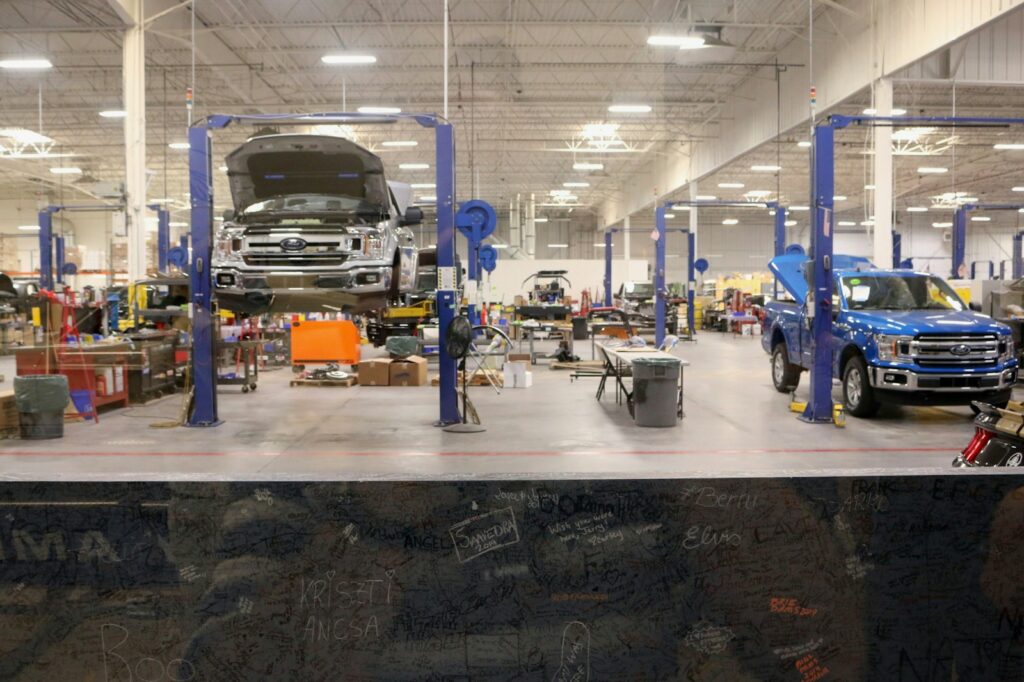
The “Quick Test Drive” That Didn’t Feel Quick
Before the video even entered the picture, she’d already been getting that low-grade frustration that comes with repair shops. She’d called for an update and gotten the soft, vague answers—still checking it, waiting on the tech, might be a sensor, might be something else. The kind of conversation that ends with you hanging up and realizing you learned nothing except that your car is still not with you.
When she dropped it off, they’d given her the usual talk: test drive, maybe a short loop around the block, then back on the lift. That expectation matters, because people accept a certain amount of risk when someone else has their car. They do not accept “joyride with bonus footage.”
So when hours passed and she still hadn’t heard anything solid, she was already a little on edge. The video didn’t create the tension from nothing—it poured gasoline on something that was already smoldering. Suddenly every minute the shop had her keys felt less like “diagnostics” and more like “time for someone else’s fun.”
A Random Message and a Video That Made Her Stomach Drop
The sender wasn’t a friend, not a coworker, not anyone saved in her contacts. The message came off like someone who wasn’t sure whether they were doing the right thing, but couldn’t ignore it either. The video itself looked like it had been recorded from another car, pacing hers on a street where nobody was driving like they had somewhere important to be.
There were flashes of her license plate—enough to make her pause and replay it frame by frame. There was also that unmistakable detail only owners care about: a little scuff on the rear bumper, a sticker she forgot she still had on the back glass, the roof rack she never takes off. It wasn’t “a similar car.” It was her car, out in the world, moving like a stolen one.
Her first thought wasn’t even anger. It was that cold, practical fear: if they wreck it, who’s paying? If someone gets hurt, does it come back on her? And then the anger arrived, right on schedule, because the shop had her car for one reason, and the video showed it being used for a totally different one.
Calling the Shop: A Lot of Shrugging and Not Much Explaining
She called the shop immediately, expecting some kind of frantic correction—oh my god, that shouldn’t be happening, the tech is on his way back, we’re so sorry. Instead she got the kind of response that makes your blood pressure rise without anyone actually saying anything outrageous. The person who answered sounded confused and a little irritated, like she was interrupting something.
She explained what she’d just received, that she had video, that it was her car being driven aggressively, and that she wanted to know who had it and where it was. The shop, according to her retelling, didn’t launch into accountability mode. They went to defense: they do test drives, it’s normal, they have to replicate the issue, maybe the video looks worse than it is.
That’s the moment it stopped being a misunderstanding and started feeling personal. Because a short test drive is one thing, but the shop didn’t ask for the video. They didn’t ask for the street or landmarks. They didn’t ask how long the car had been out. It came across like they were trying to make her doubt her own eyes, which is a bold strategy when her eyes are watching her own car get thrown around on someone else’s phone.
She pushed for specifics—who exactly is driving it, and why has it been “testing” for hours? The answers got even foggier. Somebody said the tech must still be out verifying, somebody else said they’d check, and the call ended with that maddening promise of “we’ll call you back,” the kind that turns your afternoon into a hostage negotiation with a ringtone.
The Awkward Part: Proof in One Hand, Powerlessness in the Other
While she waited, she messaged the random number back and asked where the video was taken. The person didn’t want to get involved beyond what they already had, but they gave a rough location and a time. That detail mattered, because it pinned the drive to a specific window—longer than a normal loop, and not in the area right around the shop.
Now she was stuck in that awful in-between: she had evidence, but no immediate control. She couldn’t just walk into the shop and grab her keys, because they already had her keys, and the car wasn’t even there. She also couldn’t stop imagining how this ends if the driver clips a curb, blows a tire, or hits someone and keeps going, leaving her VIN as the breadcrumb.
So she did the practical things people do when they feel cornered. She screenshotted the message, saved the video in multiple places, wrote down the time stamps, and started thinking about what she’d say if she had to involve someone outside the shop. It’s not dramatic; it’s self-preservation. Once you’ve seen your car treated like a toy, you stop assuming everyone else will be reasonable.
And then there’s the emotional layer nobody likes admitting: it feels violating. A car isn’t just a chunk of metal; it’s a controlled space, an expensive thing you worked for, something that’s supposed to be where you left it. Watching it get driven like that, by a person you didn’t authorize, hits the same nerve as someone rummaging through your stuff and acting like you’re weird for caring.
When the Car Finally Came Back, the Story Still Didn’t Add Up
At some point later—after more calls, more waiting, more “checking with the tech”—the shop said the car was back. They acted like this should resolve the whole situation, as if the car returning erased what she’d watched happen. She showed up with her phone already open, video queued, because she wasn’t about to get talked into forgetting the details.
What she wanted was simple: a clear explanation and accountability. What she got, in her telling, was a lot of hedging. The shop repeated that test drives happen, that sometimes you have to “get it up to speed,” that it’s hard to diagnose certain issues without pushing it, and that the tech is experienced. None of those statements actually addressed why a stranger had footage of her car being driven like it was in a chase scene.
She asked to speak directly to the person who drove it. That request is where things got tense in a more human way—employees looking at each other, someone disappearing into the back, the manager voice getting firmer. The whole vibe turned into “let’s calm her down” instead of “let’s explain what happened,” which is exactly the wrong move when someone’s calm is being held together by evidence.
Even the condition of the car became a question mark. Maybe it looked fine, maybe it didn’t smell right, maybe the fuel gauge was lower than it should’ve been—those are the kinds of details people fixate on when trust is broken. When you’re already suspicious, every scuff and every new rattle feels like a clue. And the shop, instead of closing that gap with specifics, left her trying to measure the truth by vibes.
She drove away with her car, but not with closure. The video still existed, the random number still hadn’t fully explained why they recorded it, and the shop never really answered the central question: what was “testing,” and what was just someone treating her car like a free rental? The worst part wasn’t even the possibility of damage—it was the idea that, for a few hours, her property was out there being handled recklessly while the people responsible for it acted like she was the unreasonable one for noticing.
More from Steel Horse Rides: