
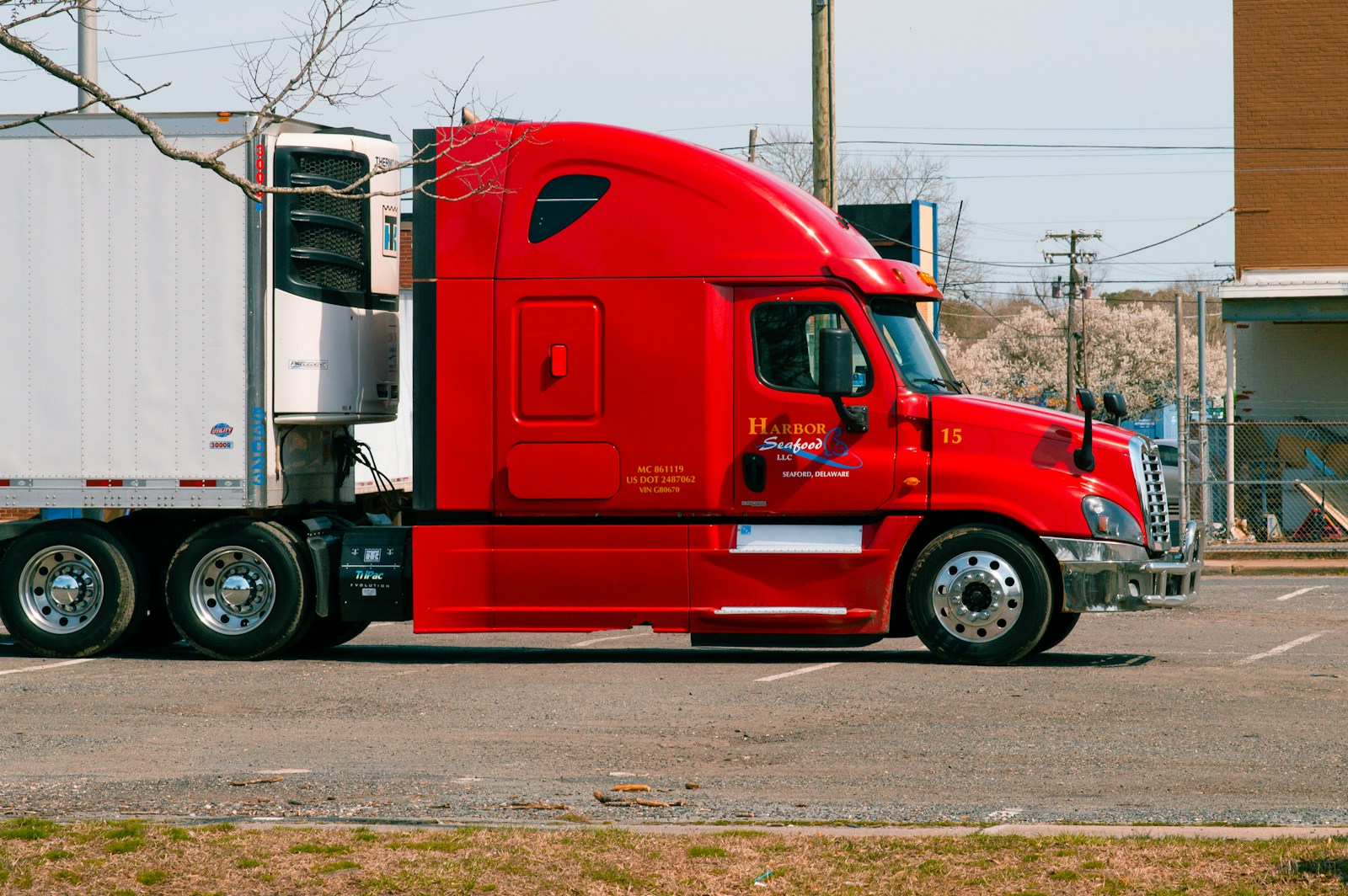

He didn’t buy the truck to baby it. The whole point was work—real work—because his old rig had finally hit that stage where every job started with a prayer and ended with a new noise. So when he found a used three-quarter-ton pickup listed as “work ready,” with a price that wasn’t a total fantasy, he jumped on it like a guy who’d already lost one week to a blown water pump.
The seller wasn’t some dealership with a service bay and a corporate email address. It was a private sale, the kind where you meet in a parking lot, do the handshake, and try to read a stranger’s face while you pretend you can “totally tell” if a transmission is healthy. The listing was confident: “solid,” “hauls great,” “ready to work tomorrow,” and the seller kept repeating that last part in messages, like it was a promise that mattered.
And for the first day, it almost felt like the promise held. The truck started clean, idled steady, and didn’t smell like burning oil. Then the buyer hooked up his trailer, loaded it heavy for the first time, and something snapped—something important enough that the next sound the seller made was silence.

The “Work Ready” Pitch
The buyer did what most people do when they’re trying to be responsible without turning into a mechanic overnight. He asked about maintenance records, asked if it had ever towed, asked if there were any known issues. The seller’s answers were fast and simple, not detailed: “All good,” “no problems,” “pulls strong,” “I used it for work,” and that same phrase again—“work ready.”
When they met up, the seller had the truck washed and already warmed up, which can be either thoughtful or strategic depending on how paranoid you are. The buyer crawled under it with his phone flashlight and checked for obvious leaks. He listened for knocks, watched the dash for warning lights, and took it on a quick test drive that felt normal enough—no slipping, no shuddering, nothing screaming “run.”
The seller talked like someone who’d done this before. He mentioned new tires, said the brakes were “recent,” and pointed to a little stack of receipts that were mostly oil changes and a battery from last winter. The buyer noticed the seller kept steering the conversation back to how dependable it was, how it was “built for towing,” how the buyer “wouldn’t have to touch a thing.”
First Real Job, First Real Problem
The load wasn’t some reckless stunt. It was the kind of heavy haul the truck was supposedly made for: a loaded equipment trailer, a real-world job that required a real truck. The buyer took his time, distributed the weight, double-checked the hitch, did the whole ritual of straps and safety chains like a guy who didn’t want to be the reason someone got hurt.
At first, it moved fine. The engine pulled, the steering felt stable, and the buyer started to relax into that familiar rhythm of towing—wide turns, extra stopping distance, watching the mirrors more than the road ahead. Then, pulling out onto a main road and giving it a little more throttle, he felt a sudden jolt that didn’t match anything he’d done with his foot.
The sound that followed wasn’t a cute little rattle. It was a sharp, ugly crack and then a grinding thump that made the whole truck feel wrong, like the drivetrain had shifted out of place. The buyer got it slowed down and off to the shoulder, heart going hard, already calculating how bad this could be.
When he stepped out and looked underneath, he didn’t have to be a master tech to understand the basics. Something that should’ve been straight wasn’t. Something that should’ve been attached wasn’t. The kind of failure that turns “work ready” into “do not move this thing another inch unless you like chaos.”
The Tow, the Shop, and the Bad News
He didn’t limp it home. He didn’t gamble on “maybe it’s fine.” He called for a tow, because the truck felt unsafe and the trailer wasn’t going anywhere until the tow situation got sorted. The whole time he was waiting, he kept replaying the sale in his head—wondering if he missed something obvious, or if this was just spectacularly bad luck.
The shop didn’t take long to find the problem once they got it in the air. The buyer described it later as one of those moments where the mechanic doesn’t even make a big show of it. They just point. They explain in that calm, practical voice that somehow makes it worse.
What snapped wasn’t a cosmetic bracket or a cheap sensor. It was a major component tied to towing and power delivery—something that’s supposed to handle torque and load without deciding to explode the first time it sees a trailer. The shop’s verdict wasn’t “wear and tear.” It was more like: this part was compromised, and it finally gave up the second it got asked to do the job it was sold for.
The buyer asked the question everyone asks: could it have been like that before? The mechanic didn’t accuse anyone outright, but he didn’t have to. He talked about stress marks and how certain failures don’t happen in a clean, fresh way. He used the kind of phrases that translate to “this didn’t start today.”
Seller’s Tone Change: From Confident to Gone
The buyer messaged the seller with the basic facts: first heavy tow, loud snap, truck disabled, shop says major failure, repair estimate that made the buyer’s stomach drop. He wasn’t even coming in hot at first. It was more like, “Hey, this happened immediately, and it’s not a small thing—what’s going on here?”
The seller replied quickly once, which is the part that made it extra frustrating. He didn’t apologize. He didn’t ask for details. He went straight to defensive questions: how heavy was the load, did the buyer “do something,” did he “floor it,” was the trailer balanced, was the truck “overloaded.” It read like someone building a story where the failure wasn’t their problem.
The buyer sent back the weights and the math, because he’d done it properly and he had the numbers. He kept his messages tight and factual, and he attached the shop’s notes. He didn’t threaten yet. He just wanted the seller to acknowledge that selling a truck as “work ready” and having it break on its first real job felt like more than coincidence.
That’s when the seller started fading. The replies slowed from minutes to hours, then turned into vague one-liners, then stopped altogether. The buyer could see the messages delivering, and sometimes “read,” and then… nothing.
The Messy Part: Proof, Pressure, and a Truck That Doesn’t Move
The buyer tried calling. Straight to voicemail. He tried texting from another number, just to check if his phone was blocked or if the seller’s service was actually down. Same deal: delivered, no response.
He went back through the original listing and realized it had already been taken down. The seller’s profile still existed, but it suddenly looked “cleaner,” like someone had trimmed off details and posts that made them easy to track. The buyer started screenshotting everything—messages, the ad photos he’d saved, the bill of sale—because once someone goes quiet like that, the clock starts ticking in your head.
Meanwhile, the truck was sitting. The buyer couldn’t use it for the work he bought it for, and every day it sat there was a day of lost jobs or scrambling for rentals. The shop estimate wasn’t just painful; it was the kind of number that makes you question whether fixing it is smarter than cutting losses, except cutting losses still means you’re out the purchase price and now you’re also out towing and diagnostics.
He considered small-claims court, but the reality of private sales started creeping in. The bill of sale had the usual “as-is” language scribbled into it, because of course it did. The buyer wasn’t naïve—he knew “as-is” exists for a reason—but he also knew there’s a difference between “it’s used” and “it was sold as capable of towing and it failed immediately in a way that suggests it wasn’t.”
The most aggravating detail was how quickly the seller disappeared once a real, expensive problem showed up. If the truck had been genuinely fine and this was a freak failure, you’d expect at least some curiosity, some basic human response. Instead, it felt like the seller’s entire relationship to the deal ended the second it stopped being easy.
By the time the buyer was pricing attorneys versus repairs, the seller was fully gone—no replies, no callbacks, nothing. The truck was still sitting on jack stands, the buyer still staring at an estimate that made “work ready” sound like a joke, and the only thing he had from the seller was that last defensive message implying the buyer must’ve done something wrong. The maddening part wasn’t just the broken truck; it was the way the silence turned a mechanical failure into a personal one, like the buyer wasn’t just stuck with a repair bill—he was stuck with the feeling that he’d been sized up, sold a promise, and then abandoned the moment the promise cracked under real weight.
More from Steel Horse Rides: