


He’d only meant to say yes for one night. The kind of favor you agree to because it’s easier than asking follow-up questions, and because the person asking is someone you’ve known long enough that “friend” still feels like the right word.
The car wasn’t anything exotic, but it was his pride in the way a well-kept daily driver can be. Clean interior, no weird smells, no warning lights, and a couple of aftermarket touches he’d installed himself on weekends with YouTube tutorials running on his phone. He’d just detailed it, too—one of those small, satisfying resets that makes you feel like you’ve got your life together.
So when his friend asked to borrow it “just overnight,” he handed over the keys with the usual reminder: full tank, don’t smoke in it, bring it back in the morning. His friend nodded like it was all obvious, promised he’d treat it “like it’s yours,” and drove off. By the time the car came back, it didn’t feel like his anymore.
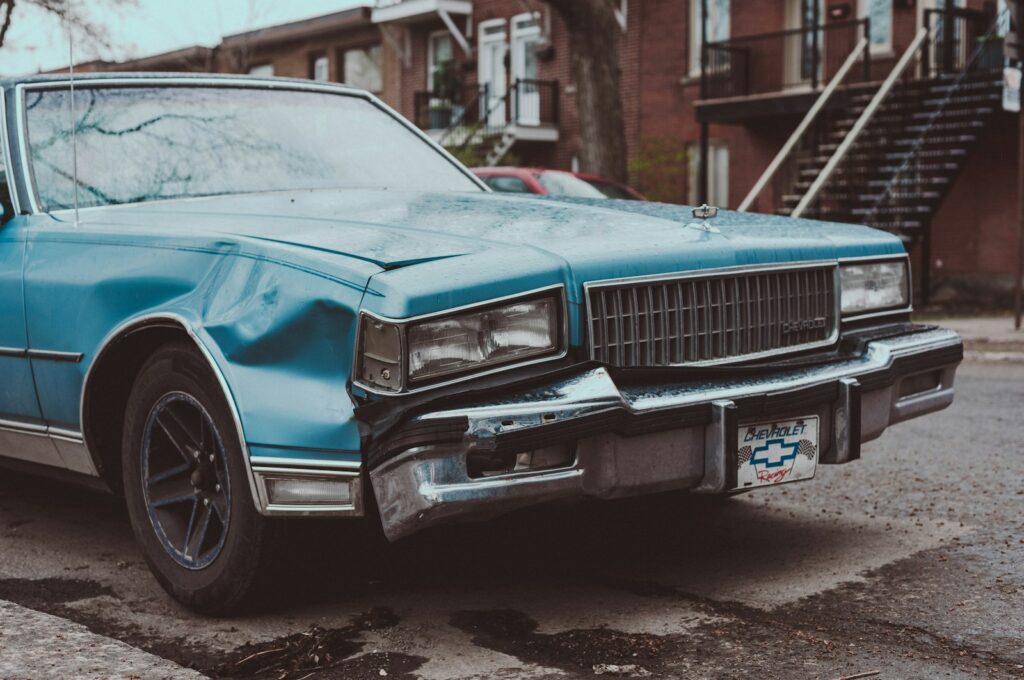
The Favor That Sounded Too Normal
It started with a text late afternoon: his friend’s car was “acting up” and he needed something to get to a thing across town and then back. No big road trip, no mention of hauling anything, no “I might be out late” warning. Just the classic, “Can I borrow your car for one night? I’ll bring it right back.”
He hesitated in that way people do when they’re trying to balance being nice with not being a doormat. But the friend laid it on thick—he’d been stressed, he had to handle some errands, and rideshares were going to cost a fortune. The owner finally agreed, mostly because the ask sounded small and contained.
Before handing over the keys, he did the quick checklist out loud: “Don’t smoke in it. Don’t let anyone else drive it. Don’t park it in sketchy places. Bring it back with the same amount of gas.” It wasn’t said in a harsh way, more like a ritual to make himself feel better. His friend laughed, promised, and took off.
The Car Comes Back Wrong
The next morning didn’t come with a “Hey, I’m on my way.” It came with silence, then a vague update around lunchtime: running behind, he’d drop it later. By early evening, the owner was irritated enough to be watching the street every time a car passed, telling himself he wasn’t that guy while absolutely being that guy.
When the car finally rolled up, it announced itself before the door even opened. The smell hit first—a thick, stale smoke stench that didn’t match the “I don’t smoke” persona the friend always claimed to have. It wasn’t just a faint trace, either; it clung like it had been hotboxed for hours.
Then the owner’s eyes started catching the visual stuff, one ugly detail at a time. Fresh scuffs along the passenger side, like it had brushed something hard and unforgiving. A spiderweb crack on one corner of the windshield that definitely hadn’t been there the day before.
The friend got out with this too-casual energy, talking fast like he could outrun the tension with words. “Dude, thanks again, you saved me,” he said, already turning the moment into a joke. The owner didn’t laugh, and the friend’s smile didn’t quite land.
Smoke, Missing Bits, and the First Round of Denial
Inside was worse. The cabin smelled like an ashtray left in the sun, and the fabric seats had that dingy haze you get when smoke settles into everything. There were tiny gray flecks in the cupholder and on the floor mat—ash, unmistakable.
The owner asked, calmly at first, if someone had smoked in it. The friend’s answer was instant and defensive: “No, man. I swear. Maybe someone outside, like at a stoplight?” He said it with the confidence of someone who’d decided the story was close enough to believable.
That’s when the owner started noticing things that weren’t just dirty or smelly, but missing. A phone mount that had been clipped to the vent was gone. The little trim piece near the center console—something he’d replaced after it broke months ago—wasn’t there anymore, leaving a jagged gap like someone had pried at it.
He asked about the missing parts, and the friend did that shrug that’s half confusion, half dismissal. “It was like that when I got it,” he said, which was bold considering the owner had handed him the keys fifteen feet away from the same spot. The owner pointed out he’d been in the car that morning and it wasn’t “like that,” and the friend’s tone sharpened: “Why would I take your stuff?”
The Damage Tour Nobody Wanted
They walked around the car together in that grim, slow way people do when they’re confirming bad news. The scratch along the side wasn’t a surface scuff you could buff out; it looked deep, with paint scraped clean in places. The rear bumper had a new dent near the corner, the kind that happens when you misjudge distance and tap something solid, then pretend it didn’t happen.
The owner crouched by the front and noticed the undertray hanging slightly, like it had been yanked or caught on something. A couple of fasteners were missing, the plastic sagging just enough to look wrong. He remembered installing that piece properly, snapping everything in place, and now it looked like someone had taken it down in a hurry.
The friend stood there with his hands in his pockets, eyes bouncing around anywhere except the damage. He offered vague explanations without committing to any one story: maybe a shopping cart, maybe a pothole, maybe someone hit it while it was parked. Each “maybe” was delivered as if it should be enough to end the conversation.
The owner asked the most basic question: where had the car been? The friend said “a couple places,” then named a bar and a friend’s house, then adjusted it to “mostly parked.” That didn’t square with the smell, the missing pieces, or the fresh damage that looked like contact, not bad luck.
The Conversation Turns Into a Standoff
Once it was clear the friend wasn’t going to volunteer anything, the owner asked to see his phone—just to check if he had any photos from the night, or messages about what happened. The friend snapped back that he wasn’t handing over his phone, like that was an insane request. The owner didn’t press, but the refusal made the air heavier.
Then came the money part, which is where “awkward” turns into “fight.” The owner said, plainly, that the smoke smell alone would take professional cleaning, and the damage needed a shop estimate. He didn’t threaten; he just stated what fixing it would cost, because the alternative was eating it himself.
The friend immediately went to the classic playbook: he didn’t have that kind of money, it wasn’t his fault, the owner was overreacting, the car was old anyway. He even tried to pivot into guilt—how he’d been going through a rough time and thought his friend would “have his back.”
At that point the owner’s tone shifted from disappointed to cold. He told his friend he could either pay for the cleaning and repairs, or they could involve insurance and let the paperwork decide how friendly this was going to stay. The friend didn’t like that; he started talking about how insurance would “ruin” him and how the owner was “threatening” him over “a few scratches.”
The owner stared at his car, then at the friend, and realized the argument wasn’t really about the damage. It was about the audacity of someone borrowing something expensive and personal, trashing it, and then trying to bulldoze their way out with denial. He took his keys back and said the borrowing situation was done—forever.
What lingered wasn’t just the smell embedded in the seats or the fresh gouge in the paint; it was the way the friend acted like reality was negotiable. The owner could get estimates, he could deep-clean the interior, he could replace the missing fasteners and trim, but none of that would restore the easy trust that made him hand over the keys in the first place. And the worst part was how the friend drove off on foot, still insisting he’d done nothing wrong, leaving the owner standing in a car that looked the same from far away—until you got close enough to see everything that had changed.
More from Steel Horse Rides: