
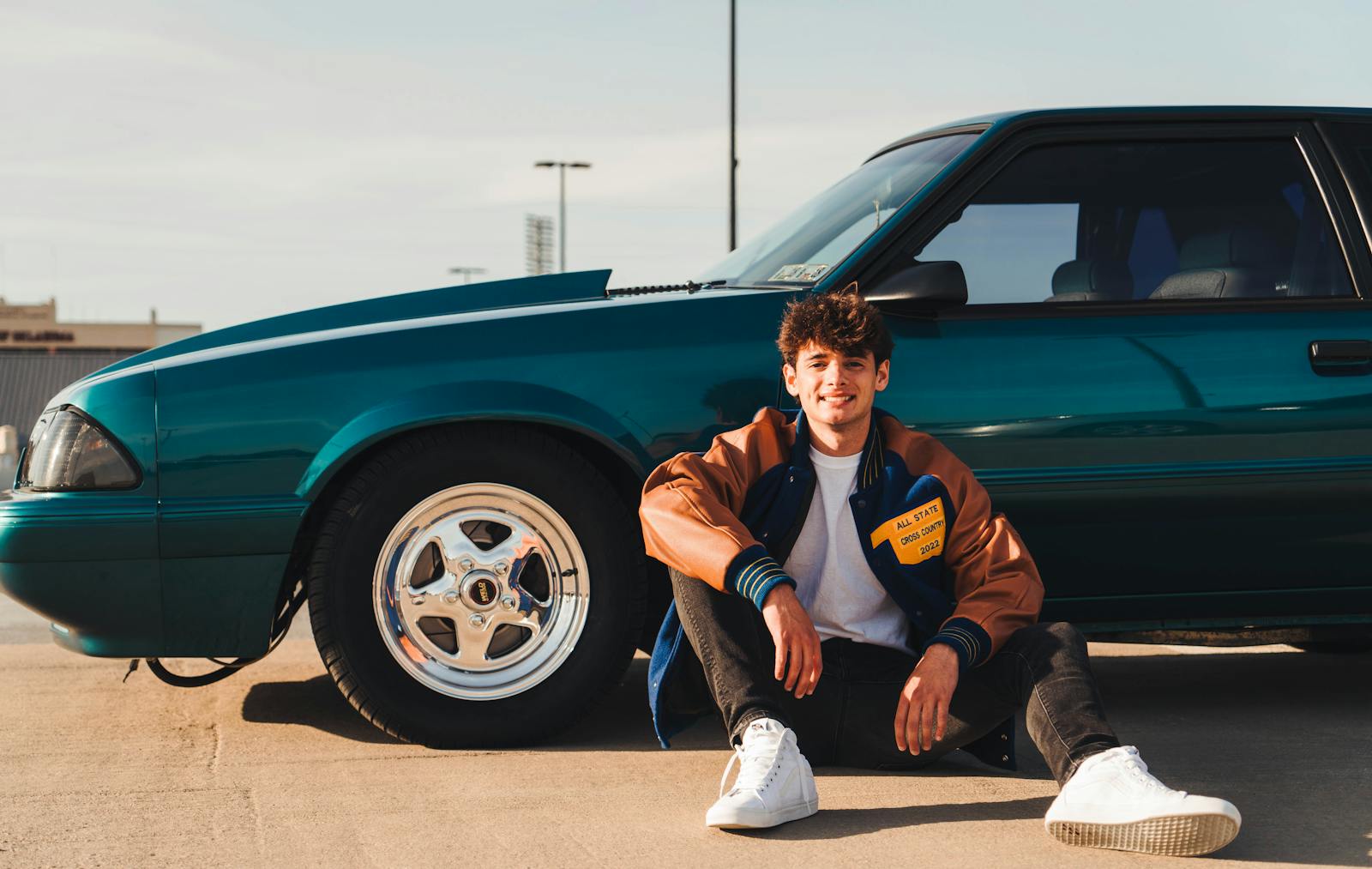

It started the way a lot of “first car” stories start: a tired mom doing mental math in a kitchen full of unopened mail, and a teenage boy hovering like a cat near a tuna can. Her son had just gotten his license, he’d been begging to drive himself to school, and every decent used car within a hundred miles seemed priced like it came with a yacht membership.
So when a coworker mentioned her cousin was selling an old sedan for cheap—“not pretty, but it runs”—the mom heard what she needed to hear. Cheap. Runs. She didn’t need a car that screamed “cool.” She needed something that could survive a few years of fast-food parking lots, forgotten oil changes, and the occasional curb.
The deal came together quickly, almost too quickly. The car had sun-faded paint, one hubcap missing, and an interior that smelled faintly like old cologne and grocery bags, but the engine turned over without drama. Her son sat behind the wheel like he’d just been handed independence, and she let herself feel that rare, guilty relief: they’d pulled it off.
The “blessing” phase
For about two weeks, the car was a household win. He washed it in the driveway and posted a picture of the key on his social media like it was a trophy, while she quietly celebrated not having a monthly payment. It wasn’t a showpiece, but it started every morning, and that alone made it feel like a miracle.
There were little quirks, the kind people shrug off when they’re trying not to be picky. The trunk needed a firm slam, the passenger window hesitated halfway down, and the radio only played one station clearly. The son thought the rattling in the dash gave it “character,” which was teen-speak for “I don’t want you to ruin this for me.”
The only thing that made the mom’s stomach tighten was the paperwork. The cousin-seller had been friendly but scattered, promising the title transfer would be simple and that he’d “meet them at the DMV soon.” She’d heard that line before, but she also knew how easy it was for people to be disorganized without being criminals.
The first little red flags
It wasn’t one big ominous sign. It was a handful of small moments that, later, stacked up into a shape she couldn’t ignore. Like the way the seller wouldn’t take a personal check, only cash or a money order, or how he kept repeating that the car had “never been in trouble,” which is not a phrase most people feel the need to say.
Her son noticed something else: the license plate bracket looked newer than the rest of the back end. He pointed it out like a fun mystery, tapping it with his knuckle. The mom gave the laugh you give when you don’t want to scare your kid but you also don’t want to promise everything is fine.
Then there was the glove box. He was digging for the owner’s manual and found a couple of old receipts and a cracked sunglasses case. Nothing wild, just clutter—until she saw a folded paper with a different name than the one on the bill of sale they’d been given.
She called the seller, trying to sound casual. He had an answer ready: “Oh yeah, that was my buddy’s for a minute, but it’s all clean.” He said it with the breezy confidence of someone who’s used to people accepting vague explanations because they want the cheap deal to be real.
The knock that changed the temperature in the room
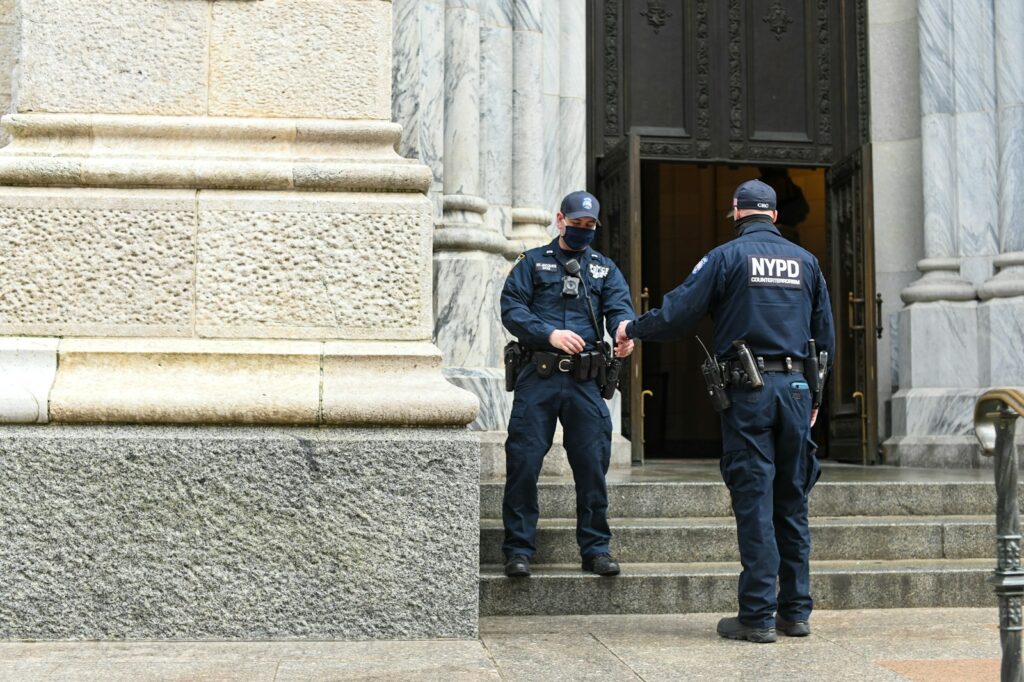
The knock came on a weekday afternoon when the son wasn’t home. The mom opened the door expecting a neighbor or a delivery, and instead there were two officers standing on her porch with that neutral, professional face that makes your heart drop before they say anything. They asked if she owned the sedan parked in the driveway.
She did that automatic thing where you say “Yes,” and then immediately wish you’d asked “Why?” first. One officer glanced past her shoulder like he was checking the hallway, then asked for the registration and title paperwork. The other officer stayed near the step, looking at the car like it had offended him personally.
They explained, carefully, that a vehicle matching that make, model, and color had been flagged in an active case. Not “it’s stolen,” not “we’re here to take it,” just enough to make her feel like the air in her living room had turned thin. She said the car was her son’s, a first car, bought recently, and she could hear her voice getting higher as she spoke.
One of the officers asked for the VIN. She watched him walk down the driveway and crouch to check it through the windshield, and she had the weird thought that the car suddenly looked smaller, like it was trying to disappear. He compared numbers with something on his phone and then asked if she’d mind stepping outside.
“Who did you buy this from?”
On the driveway, everything became painfully specific. The officer told her the vehicle they were looking for had been connected to a recent incident—he didn’t give details, but he used the word “case” in that careful way that implies other people might be hurt or scared. He said her car wasn’t necessarily the same one, but it was close enough that they had to check.
She handed over the bill of sale, and the paper suddenly felt flimsy in her hands. The officer read the seller’s name and asked if she knew him personally. When she explained it came through a coworker’s cousin, the officer made a small “mm” sound that wasn’t judgment exactly, but wasn’t comforting either.
Then came the question that hit like a brick: “Are you aware this VIN plate looks like it might’ve been tampered with?” The mom didn’t even know what that meant, not really, beyond the obvious. She stared at the dashboard where the VIN sat, as if she could will it to look normal.
The officers didn’t accuse her of anything outright, but the tone shifted. They asked whether her son had posted the car online, whether anyone else had driven it, whether she’d noticed it being followed. She kept saying “no” and “I don’t know” and feeling like those were the worst answers to give, even when they were the truth.
The scramble: texts, calls, and a kid walking into it
She called her son before the officers left the driveway. He answered with that lazy teenager “what’s up” voice, and she had to tell him, calmly, that he needed to come straight home. She didn’t want to say “police” while standing next to police, like speaking the word too loudly would make it more real.
While she waited, she called the seller. It went to voicemail. She called again, then again, and by the third try the line didn’t even ring—it went straight to a recorded message about an unavailable number. She felt a hot, humiliating wave rise up her chest, the kind that’s part anger and part self-blame.
When her son finally pulled up—because of course he chose that moment to take the car out—he saw the officers and immediately tried to play it cool. He smiled like he was about to get a warning for speeding. Then he saw his mom’s face and stopped halfway out of the driver’s seat.
The officers spoke to him directly, asking where he’d driven, who had been in the car, whether he’d ever been pulled over in it. He answered like a kid trying to do well on an oral exam, too fast and too eager. The mom watched him realize, in real time, that “cheap first car” could turn into “adult problem” in about thirty seconds.
They didn’t handcuff anyone. They didn’t search the house. But they did tell her they might need to impound the car if the investigation required it, and that she should not sell it, alter it, or “move it unnecessarily.” The phrase “move it unnecessarily” landed in her brain like a sick joke, because the entire reason they bought it was to move it—constantly.
After the officers left, the driveway felt too quiet. Her son kept asking, “But we didn’t do anything, right?” and she kept saying, “No, we didn’t,” like repeating it could build a wall around them. Then she sat down at the kitchen table with the paperwork spread out and realized how little protection a handshake deal really gives you.
That night, she tried to piece together what she actually knew: a coworker’s cousin, a rushed sale, a title that still wasn’t transferred, a weird slip of paper with a different name, and now officers who wouldn’t say much except that the car matched something they were actively chasing. The car was still in the driveway, still the same beat-up sedan, but it didn’t feel like a blessing anymore. It felt like a ticking question sitting under a streetlight, waiting for the next knock to come with a clearer answer.
More from Steel Horse Rides: