

He’d been saving for a truck the way some people save for a wedding: slowly, painfully, with a spreadsheet and a running tally of all the times he’d talked himself out of “just getting something cheaper.” When he finally walked into the dealership, he came armed with a list of non-negotiables—tow rating, bed length, hitch setup, the whole checklist. The salesman took one look at the list and treated it like a suggestion.
The pitch was simple and smooth: this truck could tow anything he’d need. Not “most things” or “within reason,” but anything. The salesman said it like it was a lifestyle promise, like the truck was a cure for future inconvenience.
The guy bought it because he wanted to believe it, and because the monthly payment didn’t hurt as much as the idea of missing out on the “right” truck. For a few weeks, it was great: commuting felt like driving a throne, grocery runs were suddenly “errands,” and every time he saw the badge on the tailgate he got that quiet little dopamine hit of ownership. Then his buddy called about moving a piece of equipment, and the truck finally got asked to prove the salesman right.
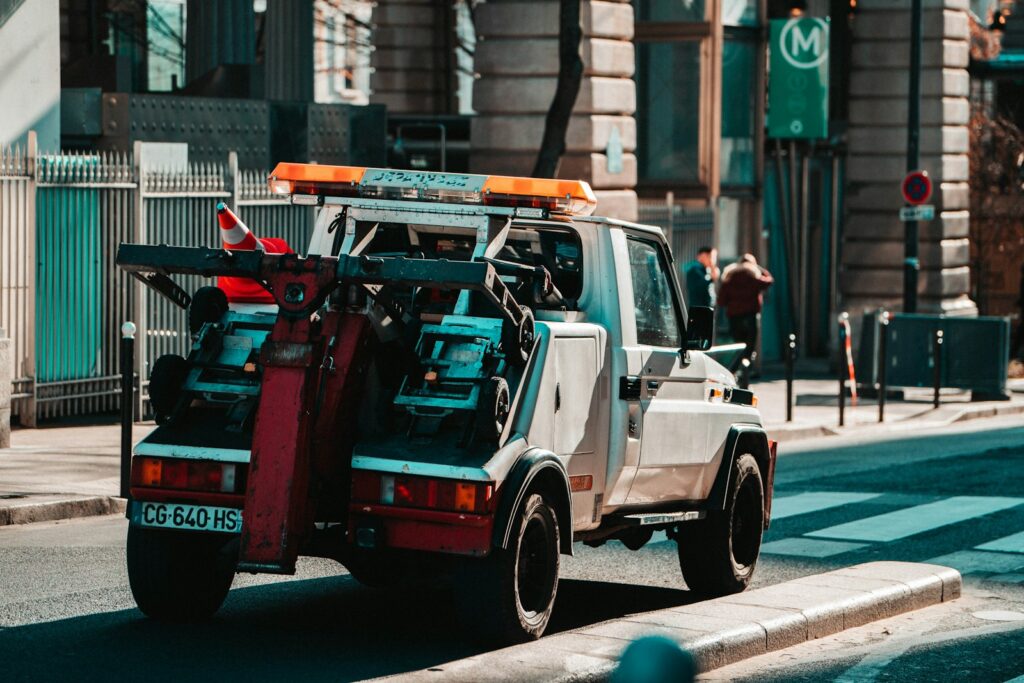
The promise sounded better than the fine print
The guy wasn’t totally naïve about towing, which is what makes the story sting. He’d towed small trailers before—utility stuff, a little camper once—and he knew enough to ask about capacities. The salesman didn’t just answer; he bulldozed the question with confidence, waving vaguely toward the “tow package” and talking about “engine torque” like it was a magic spell.
What the salesman didn’t do was sit down and go through payload, tongue weight, or what changes when you put actual humans and gear in the cab. He didn’t ask what the guy really planned to haul, didn’t talk about the difference between a theoretical rating and real-world stability, and didn’t mention that the number on the brochure assumes a nearly empty truck. He kept things in the safe zone of big numbers and good feelings.
The guy walked out with a half-ton pickup that looked like it could pull a house off its foundation. It had the factory hitch receiver and some “towing mode” button that made the dash glow like a spaceship. In his mind, that meant the truck was ready for whatever his life threw at it, because that’s what he’d been sold.
The first real haul was supposed to be a simple favor
The buddy’s request sounded straightforward: tow a skid steer to a job site across town, maybe twenty-five miles, mostly back roads. The buddy had the trailer, the straps, and the casual confidence of someone who asks favors often enough to forget they’re favors. He also had that tone people get when they assume your new purchase exists partly for their convenience.
They met early on a Saturday in a gravel lot behind a storage unit place. The trailer was a heavy equipment hauler—dual axle, big ramps, thick steel deck—and even empty it looked like it could eat the truck. The guy noticed his rear suspension squat a little just from dropping the coupler onto the ball, but he told himself that was normal.
Then the buddy rolled the skid steer up the ramps like it was nothing, metal tracks clanking, the trailer creaking under the load. The truck’s rear end sank another few inches. The guy’s headlights pointed upward, and the front end looked lighter, like it had exhaled all its grip.
That’s when the first awkward moment hit: the buddy glanced at the truck, then at the guy, and said, “You sure this thing’s rated for it?” The guy said, “Yeah,” but it came out more like a question. He didn’t want to admit he was suddenly doing math in his head that he should’ve done before signing paperwork.
Within five minutes, it stopped feeling like driving
The first mile was a slow crawl through industrial streets, and the guy tried to keep it calm and steady. He could feel the trailer in a way he hadn’t with smaller loads—not just weight, but presence, like the truck was being guided from behind. Every bump sent a ripple through the frame, and the steering felt vaguely disconnected, like the front tires were voting on whether to cooperate.
They hit a slight downhill and he tapped the brakes. The truck slowed, but it wasn’t the clean, confident slowing he expected—it was a long, tense deceleration with the trailer pushing, then settling, then pushing again. The buddy, riding shotgun, stopped scrolling his phone and put a hand on the dash like he could brace the vehicle with his palm.
At the first intersection, a light turned yellow and the guy decided to stop rather than risk blasting through. He pressed the brake pedal harder and felt that sickening moment where the pedal is down and the world doesn’t slow fast enough. The anti-lock brakes chattered, the trailer surged, and for a second it felt like the whole rig was going to slide straight through the cross traffic.
They stopped with a couple feet to spare, and the guy’s heart was hammering like he’d just avoided a collision he didn’t see coming. The buddy let out a long breath and said, “Dude.” Not angry, not joking—just the kind of “dude” you say when you realize you’re in a situation you can’t undo.
The lie got louder on the highway entrance
The plan had been to hop onto a short stretch of highway to cut time. The on-ramp was a gentle curve that usually felt boring, but with the trailer it turned into a physics lecture. The guy accelerated, the engine revved, and the truck moved forward like it was running in sand.
Halfway up the ramp, the trailer started a small sway—nothing dramatic at first, just a subtle left-right wag. The guy tightened his grip and tried to correct, and the corrections made it worse in that way towing can punish you for panicking. The buddy went quiet, watching the side mirror like he was expecting the trailer to decide it wanted its own lane.
They merged, but not smoothly. The truck was doing maybe fifty-five when traffic was closer to seventy, and the guy could feel the strain: the engine loud, the steering vague, and the wind catching the trailer like a sail. A semi passed them and the air pressure tugged the trailer toward the truck, then away, like someone yanking a leash.
The buddy said, very calmly, “Get off at the next exit.” It wasn’t a suggestion. The guy nodded and didn’t argue, because there was nothing pride could do against the steady, undeniable feeling that the truck wasn’t in charge.
Back in the lot, the blame started to slosh around
They limped off the highway and took surface streets back to the gravel lot, both of them tense and quiet. When they unhooked, the truck rose slightly, like it was relieved. The guy stood there staring at the rear tires, noticing how much they’d flattened under load, noticing how the whole setup had felt like it was one mistake away from a wreck.
The buddy, now a little defensive, said he’d towed that skid steer with a “similar” truck before and it was fine. The guy asked what “similar” meant, and the buddy admitted it was actually a three-quarter-ton with a weight distribution hitch and trailer brakes that had been serviced recently. The casual favor suddenly had a lot more hidden context.
That night, the guy went down the rabbit hole he should’ve gone down earlier. He pulled the door-jamb sticker numbers, looked up the actual payload, and realized how quickly you can exceed limits once you add passengers, fuel, tools, and tongue weight from a heavy trailer. The tow rating on the brochure hadn’t been a lie exactly; it just lived in a world where nothing else existed.
On Monday he called the dealership, trying to keep his voice level. He asked for the salesman and repeated, almost word for word, what he’d been told: “It can tow anything I need.” The salesman did that slippery thing where he didn’t deny saying it, but he reframed it into “within the manufacturer specs” and “it depends on configuration,” as if those caveats had been part of the conversation all along.
The guy asked if the dealer would take it back or swap him into something more appropriate without nuking him financially. The answer was basically: they could talk trade-in, sure, but it would be a new deal, new numbers, and the depreciation would be his problem. The salesman’s friendliness dried up into policy language the moment the truck stopped being a victory lap.
He ended up stuck in that awful in-between: owning a truck that looked capable but wasn’t built for the kind of heavy work he’d pictured, and knowing the only way out was to pay for the lesson. The buddy stopped asking for favors, which was nice, except it came with that unspoken implication that the guy had failed some test of man-and-machine competence. And every time he saw the tow rating in an ad, he couldn’t stop thinking about that ramp, that sway, and how quickly a confident promise turns into a steering wheel death-grip when reality finally gets a turn.
More from Steel Horse Rides: