

The mechanic was halfway through his morning coffee when the front door of the shop slammed hard enough to rattle the counter bell. A woman he recognized immediately—mid-30s, immaculate nails, always in a hurry—marched in holding her key fob like it was evidence in a trial. Before he could get out a “Morning,” she was already pointing at him and talking over the waiting room radio.
Her car had “suddenly become unsafe” after her last visit, she said, and she knew exactly why. The shop had sabotaged it. Specifically him. She didn’t come in to diagnose a problem; she came in to assign blame, loud enough that the guy waiting on an oil change stopped scrolling and looked up like, oh, this is gonna be good.
The mechanic—let’s call him Jay, because that’s how he wrote it—had seen plenty of angry customers. But this one had a rehearsed edge, like she’d practiced the speech in her car on the way over. And the weirdest part was how quickly she jumped past “something’s wrong” and landed on “you did this on purpose.”
The original visit that started it
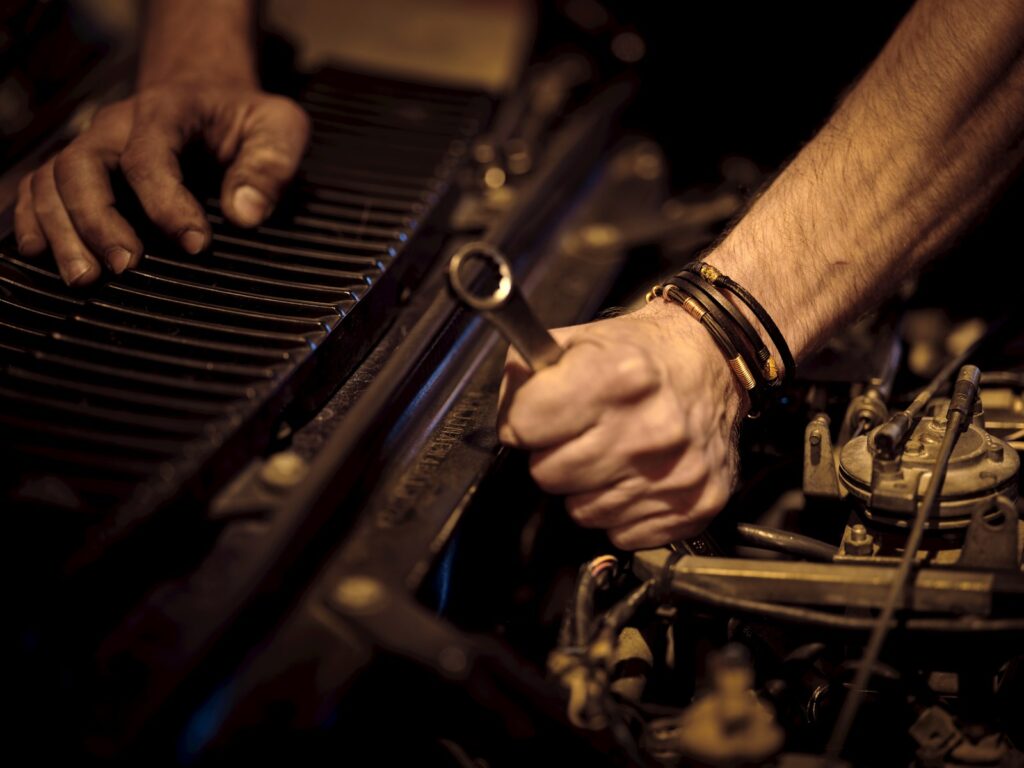
A week earlier, her car had come in for something boring: an intermittent battery light and a squeal on cold starts. Nothing dramatic, no smoke, no roadside tow. Jay did the routine checks, found a worn serpentine belt and a slightly loose alternator connector that looked like it had been messed with before, and wrote it up.
She’d hovered while he explained it, asking the kind of questions that aren’t really questions—more like little tests. “So you’re saying I have to replace the belt? It’s not like, a scam belt?” Jay kept it calm and gave her the old “Here’s the wear, here’s the risk, here are your options” speech, and she approved the belt and a connector clean-up.
When she picked the car up, she inspected the invoice like it was going to confess. Jay even walked her out, started the engine, and showed her the battery light wasn’t on. She drove away without a thank-you, but that wasn’t exactly rare either.
Her accusation, delivered like a verdict
Now she was back, claiming the car almost “lost power” while she was driving and that the shop must’ve loosened something so she’d be forced to return. She kept saying the word “tampered,” like she’d been watching a lot of true crime. Jay asked what happened, exactly, and she gave him a story that kept changing by a few miles and a few minutes each time she told it.
She said the battery light came back on, then she said the steering got heavy, then she said the brakes “felt weird.” When Jay tried to pin down the symptoms, she took it as him “playing dumb.” At one point she actually leaned over the counter and said, “Do you do this to women a lot, or just me?”
The shop manager came out, the vibe shifting from customer service to “we’re not doing this performance.” The manager asked if she’d like them to take a look and tow it in if it was unsafe. She snapped that she wasn’t letting “the person who sabotaged it” touch it again and demanded a refund for the previous repair plus money for “emotional distress,” which is always the moment a shop quietly starts thinking about liability instead of goodwill.
Jay, who’d been getting more irritated by the second, asked a simple question: had anyone else worked on the car since her visit? The woman went rigid and said no. It wasn’t a pause like she was thinking—it was a pause like she was choosing.
The dash cam she forgot about
Here’s where it got messy in a way Jay didn’t see coming. While she was ranting, she kept gesturing toward her car outside, and she mentioned—almost as a brag—that she had a dash cam “for safety.” Jay’s manager perked up at that, because dash cams cut through a lot of he-said-she-said nonsense.
The manager asked, politely, if she’d be willing to show them the footage from the day she said the car “failed.” The woman smirked like she thought that would bury them. She pulled out her phone, tapped through an app, and started scrolling, narrating as she went: “See? I’m driving. Everything’s fine. And then it starts—”
Except the clip didn’t start with her driving. It started with her parked in a lot, the camera angled slightly down, audio picking up every word. The footage showed her in the driver’s seat, phone to her ear, speaking in that low, careful tone people use when they think they’re being clever.
Jay said you could practically feel the air change in the shop as the manager and two employees leaned in. The waiting room guy stopped pretending he wasn’t listening. And the woman—this was the tell—went quiet halfway through her own video like she’d just realized what she’d handed them.
What the footage actually showed
In the video, she was talking to someone Jay couldn’t see, and she said something like, “If I bring it back and tell them it’s dangerous, they have to fix it for free.” Then she laughed, not nervous-laughing—more like satisfied. She kept going: “I’m telling you, they didn’t even tighten it right. Or I can say they loosened it. Either way, it’s on them.”
Then she got out of the car and walked around to the front, the dash cam catching her torso and hands as she popped the hood. It wasn’t clear what she was touching at first, but you could see her shoulders shift as she leaned over the engine bay. The audio picked up a little metallic click and her muttering, “Come on,” like she was working something loose.
She shut the hood, got back in, and said into the phone, “Okay. Now I’ll drive a bit and call it in.” She even paused and added, “Don’t worry, it’s not like it’ll kill me. It’ll just scare them.” The clip ended with her pulling out of the lot like she’d just set a trap.
The woman reached for the phone as if she could snatch the scene back out of the air. She started talking fast—too fast—saying it was “out of context” and she was “joking.” Jay’s manager asked, very calmly, why she was under her hood loosening something if she believed the shop had already sabotaged her car. The woman didn’t answer that; she just kept insisting nobody could prove what she touched.
The confrontation and the dirtier lie underneath
Jay didn’t want to touch her car anymore, not because he was scared of the work but because he could already see the next chapter: a complaint, a review, maybe a lawyer letter. The manager told her they wouldn’t be refunding anything, and if she believed a crime happened, she was welcome to contact the police. That’s when she pivoted from accusation to bargaining, offering to “drop it” if they just comped a different repair.
The manager asked again—had anyone else worked on the car? This time, the dash cam did what it does best: it made lying feel pointless. Her face tightened, and she admitted she’d taken it to “a guy” after the first visit because she “wanted a second opinion,” but she claimed he only “looked” and didn’t touch anything.
Jay said the manager asked for the receipt or the shop name, and she refused. The refusal was loud and indignant, the way people get when they know they’re cornered but still want to act offended. Then she tried to swing the story back around: maybe the shop had done bad work, maybe they were incompetent, maybe the belt was wrong, maybe the connector “fell off” because Jay didn’t know what he was doing.
That’s when Jay quietly remembered something from the first visit: the alternator connector had looked like it had been pried at before. Not broken, not worn out—messed with. He’d assumed it was from age or some earlier service, because most people don’t mess around under the hood unless they know what they’re doing or they’re desperate.
Now, watching her own footage of her hands in the engine bay, Jay’s stomach dropped in a different way. This wasn’t just a customer trying to get free work. This was someone willing to make the car unsafe on purpose and then blame a shop for it, loudly, in public, with a straight face.
The manager told her they were documenting the incident and saving the footage she’d shown them, and that she needed to leave. She sputtered about lawsuits, about defamation, about how they “stole” her video even though it had never left her phone. Then she stormed out the same way she came in, except this time her shoulders weren’t squared with confidence—they were tight with panic.
Jay said she sat in her car in the parking lot for a long minute without starting it, like she suddenly didn’t trust the thing she’d been willing to mess with. When she finally drove off, it wasn’t dramatic. It was quiet, which somehow made it worse, because everyone in the shop was left standing there with the same thought: she was going to tell a version of this story somewhere else, and it definitely wouldn’t include the part where she opened her own hood.
More from Steel Horse Rides: