
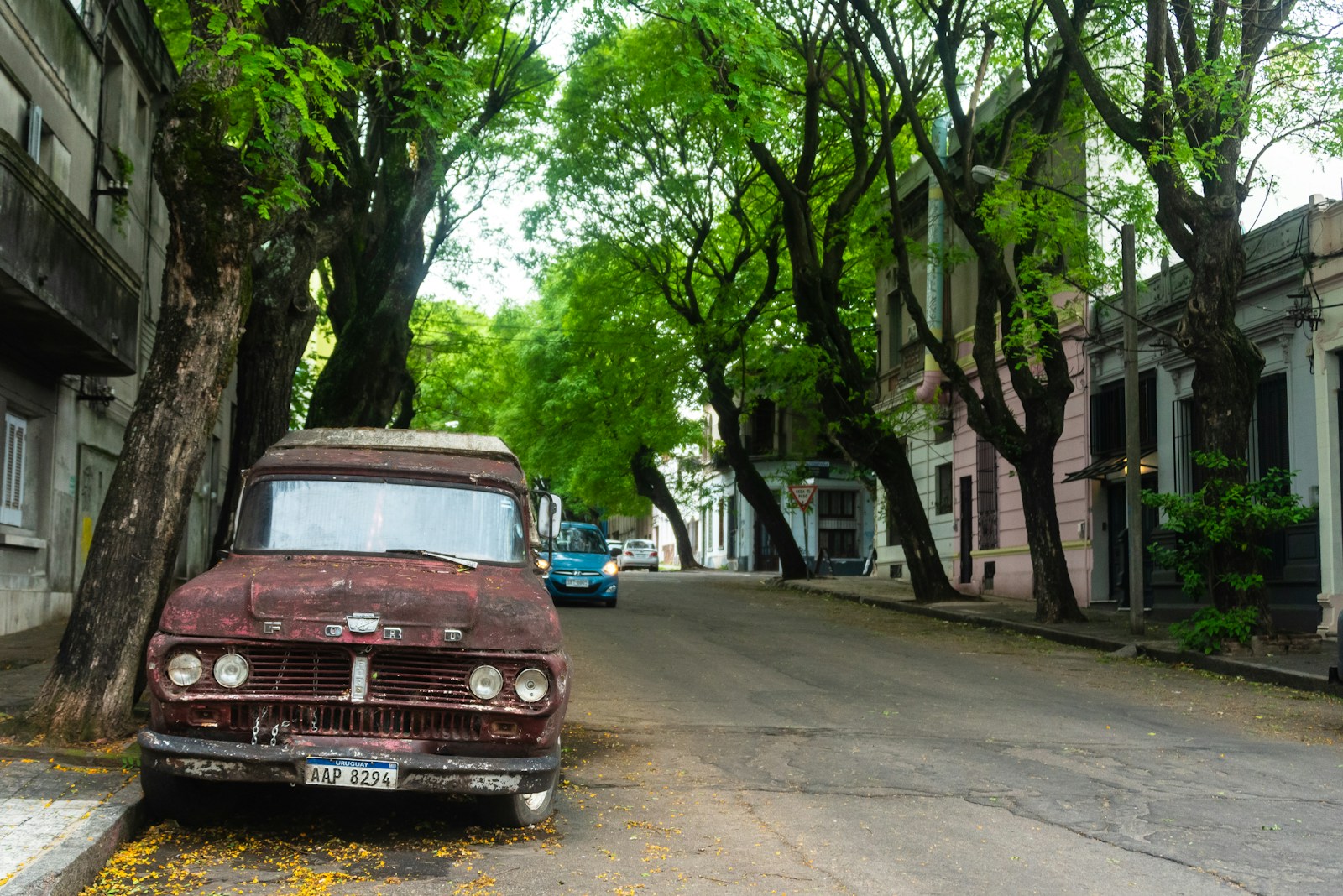

It started the way most neighborhood wars do: with a normal street, a couple of normal houses, and one guy who treated the curb like his personal storage unit. The neighbor—everyone on the block eventually started calling him “the project car guy,” even to his face—kept dragging home half-dead vehicles like he was running a private junkyard with better landscaping.
The man who ended up telling the story later wasn’t some HOA hall monitor type. He was just tired of looking out his front window and seeing a different broken car squatting in the same spot every month, sometimes with the hood popped like it had died dramatically and needed a vigil. What made it worse was that the cars weren’t even parked neatly; they were always slightly off, a tire flirting with the gutter, a bumper jutting into the line of sight like it wanted to be noticed.
At first, it was easy enough to ignore. Most neighborhoods have that one person with a hobby that spills outside the garage. But this wasn’t one project. It was a rotating cast of “future builds,” and the street started to look less like a cul-de-sac and more like the back lot of a discount mechanic.
The first “build” becomes a pattern
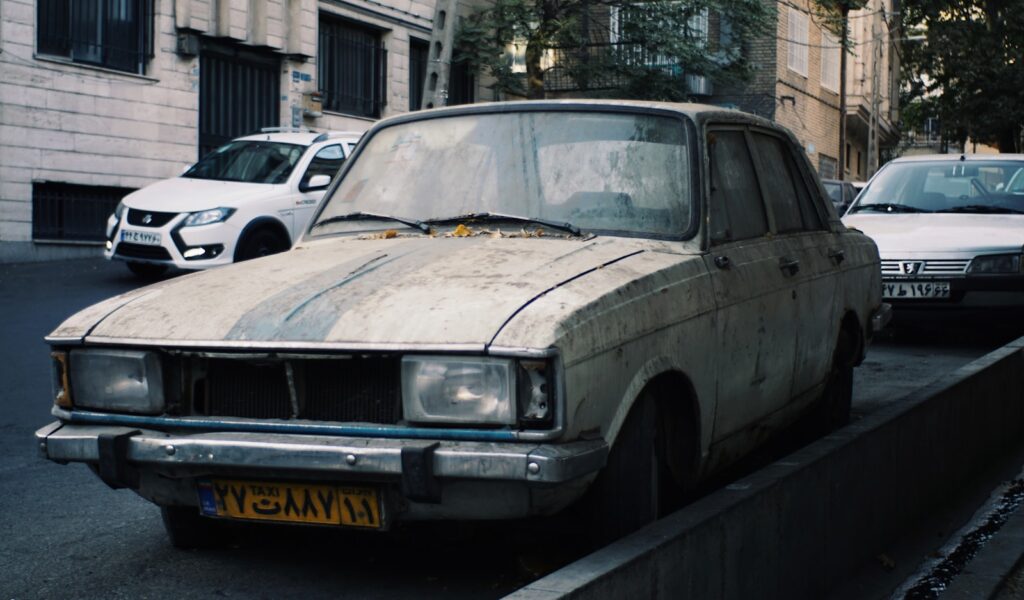
The first car was an older Mustang with no plates and a sun-bleached tarp that never fit right. It sat there for weeks, gathering leaves in the windshield wipers, while the neighbor occasionally came out to stare at it with his hands on his hips like a man assessing a battlefield. The storyteller figured, fine—maybe the guy’s waiting on a part, maybe money’s tight, maybe it’ll move soon.
Then the Mustang vanished overnight and got replaced by a squat little pickup that looked like it had been sideswiped and refused to talk about it. That one stayed long enough for the kids on the street to start using it as a landmark: “You turn left at the broken truck.” One afternoon, a delivery driver did a full slow-roll past the house like they’d made a wrong turn and ended up somewhere they shouldn’t be.
The real tipping point wasn’t even the looks, though. It was the way the street started functioning differently. Neighbors had to park farther away when guests came over, trash day got weird because the cans couldn’t be lined up normally, and a couple people swore they saw fluids on the asphalt near the curb. Everyone had a slightly different complaint, but they all traced back to the same thing: that curb was always occupied by something that didn’t run.
The HOA gets involved, and nobody feels good about it
The street had an HOA, the mild kind that usually stuck to lawns and paint colors. The storyteller said he avoided them on principle, which meant the situation had gotten bad enough that he finally emailed the property manager anyway. He didn’t ask for drama; he asked whether there was a rule about inoperable vehicles parked on the street for extended periods.
Turns out, there was. It wasn’t even a weird rule—just a standard “no unregistered or inoperable vehicles stored on streets” clause, plus something about nuisance and safety. The HOA sent a letter to the neighbor, and it arrived in the guy’s mailbox like a tiny paper grenade.
The next time the storyteller saw the neighbor, it wasn’t a friendly wave situation. The guy walked over with the letter in his hand, already creased from being squeezed, and started in with the whole “somebody on this street has a problem with me” routine. He wasn’t yelling yet, but he was speaking loud enough that it felt like he wanted witnesses.
The storyteller tried the polite route: he said it wasn’t personal, the cars were just piling up, and people needed the street. The neighbor’s response was basically, “It’s public parking, I pay dues like everyone else, and I’m not hurting anybody.” The conversation ended with the neighbor walking away mid-sentence, which is the kind of move that guarantees you’ll be replaying the whole thing in your head for two days.
The compliance theater: moving cars an inch at a time
After the letter, the neighbor started doing what people in these situations always do: he got petty in a way that technically counted as compliance. He’d roll a car forward six feet, or swap spots with another one, like he was playing musical chairs with dead vehicles. If the HOA’s rule was about time parked, he’d reset the clock by moving it just enough to claim it wasn’t “stored.”
For a couple weeks, the street became this weird stage where everyone watched what the neighbor would do next. A different project car would appear, always with some plausible excuse attached. This one was “a parts donor,” this one was “waiting on registration,” this one was “my buddy’s car, just for a few days.”
Meanwhile, the HOA escalated in that slow, bureaucratic way that makes everyone mad at once. They mailed more notices. They took photos. They cited rules with subsection numbers and dates. The storyteller said he started getting side-eye from the neighbor, like the only explanation was that he’d become some kind of secret HOA agent.
The neighbor, for his part, started telling anyone who’d listen that this was harassment. He’d corner people during walks and ask if they “knew who complained.” He even tried the old move of being overly friendly to everyone else while freezing out the one person he suspected, which only made the block feel tense and fake.
The tow trucks show up, and the neighbor loses it in real time
The HOA’s next step wasn’t subtle. One morning, two tow trucks rolled in like they had a reservation, and the drivers got to work without chatting with anybody. The first car they hooked up was the one that had been “temporarily” there the longest, still without plates, still obviously not running.
The neighbor burst out of his front door like he’d been launched. He wasn’t dressed for outside; he looked like he’d heard the metal clank and sprinted on pure adrenaline. He started yelling at the tow driver, then at the HOA rep who’d arrived with a clipboard, then at the street in general, as if the curb itself had betrayed him.
It wasn’t the cool, controlled kind of anger either. It was messy and spiraling. He waved the notices around, he demanded names, he insisted the HOA didn’t have authority over “public streets,” even though the HOA rep calmly pointed out they were enforcing community rules and coordinating with the city on abandoned/unregistered vehicles.
The most uncomfortable part was how public it got. People stepped out onto porches and hovered by their garages like they’d just remembered they needed to reorganize tools. Someone walked their dog extra slowly. The storyteller stayed inside at first, then cracked the blinds because there’s only so much restraint a human can maintain when tow trucks are literally dragging the drama away.
By the time the second car was being winched, the neighbor’s voice had gone hoarse. He tried to block the tow truck with his body for a second—just standing in front of it, arms out—until someone told him to move before he made the situation even worse. He finally backed off, but not before shouting that he’d “see everyone in court,” which landed with the hollow thud of something he’d said before and nobody believed.
The fines keep coming, and the street doesn’t go back to normal
The towing didn’t end it. It just changed the fight. The HOA started issuing fines for repeat violations, and the neighbor started treating every HOA letter like a personal attack that required a counterattack.
He put up cameras pointed toward the street. He started parking his daily driver in a way that felt pointed—always close to the storyteller’s house, always technically legal but annoying. One weekend he held a loud garage “work session” with friends that looked suspiciously like a party, the kind where the music is just loud enough to force everyone else to notice.
The storyteller said the weird part was that he didn’t even want the guy punished. He just wanted the street not to look like a scrapyard and not to smell like oil on hot pavement. But once the HOA machine had started rolling, it didn’t do nuance; it did enforcement, paperwork, and consequences.
Eventually, the neighbor stopped bringing new project cars home, at least for the curb. But the resentment stayed, thick and visible. He’d glare during mailbox runs. He’d mutter about “snitches” under his breath when people walked by, not quite loud enough to quote, but loud enough to hear if you were meant to.
The story ended on a note that didn’t feel resolved so much as paused. The street looked cleaner, sure, but now there was this permanent, awkward understanding that one person believed the whole block had teamed up against him. And the storyteller—who’d mostly wanted a normal curb again—was left with the uneasy reality that in a neighborhood like that, you don’t just tow the cars; you tow in a grudge that parks itself right next door.
More from Steel Horse Rides: