
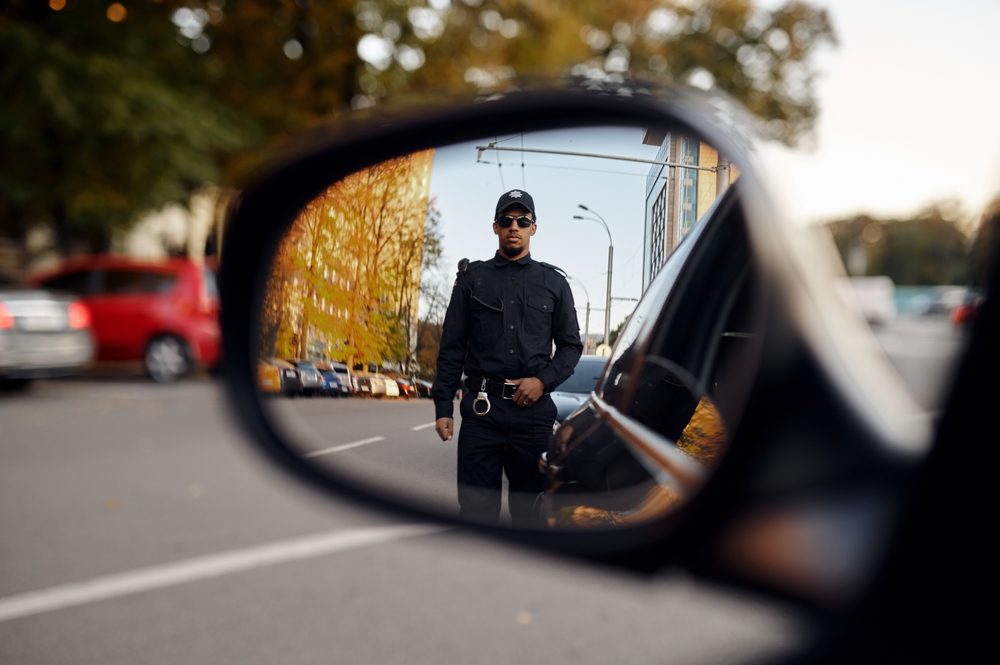

He wasn’t speeding. He wasn’t swerving. He wasn’t blasting music with the windows down. He was just driving home in a sedan he’d owned for a couple years, the same one he’d been pulled over in exactly zero times, when the patrol car slid in behind him and stayed there a little too long.
The driver—mid-20s, works a regular job, the kind of guy who keeps his registration folded neatly in the glove box—noticed the lights before he noticed the reason. When the officer walked up, flashlight angled into the cabin like he was looking for something specific, the first words out of his mouth weren’t “license and registration.” They were, “Your tint is too dark.”
That’s the part that still bugs him, because he’d heard that one before as a pretext, and he’d checked his tint when he bought the car. It was after-market, yeah, but it wasn’t limo-black. And yet the stop that started as a tint lecture somehow turned into him standing on the shoulder watching his car get rummaged through, then watching it get hauled away, and later trying to replay every sentence to figure out where it went sideways.
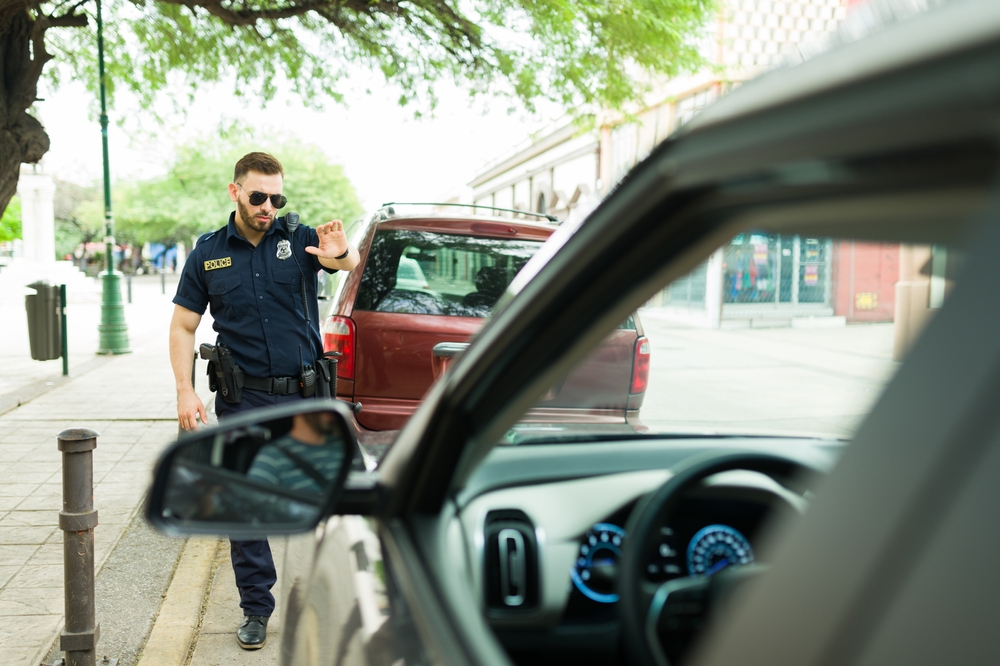
The “tint stop” that didn’t feel like a tint stop
The officer kept his tone casual, almost bored, but his eyes kept moving. He asked where the driver was coming from, where he was headed, whether the car was his, whether there was “anything he should know about” in the vehicle. The driver answered like most people do when they’re trying not to look nervous: short, polite, a little too eager.
Then came the first little snag. The officer asked for license and registration, and while the driver was reaching for the glove box, the officer told him to stop moving for a second—hands on the wheel, please. It wasn’t shouted, but it was sharp enough to make the driver freeze with his fingers halfway to the latch.
When the driver finally got the documents out, the officer didn’t take them right away. He asked again about drugs and weapons, that same “anything I should know about?” line, like he was waiting for a confession to fall out of the car. The driver said no, and the officer stared for a beat too long, like he didn’t believe him but hadn’t found the right lever yet.
The questions got repetitive, and then the “consent” dance started
The officer stepped back to his cruiser with the paperwork, but he didn’t disappear into the usual routine. He came back fast, faster than it takes to run anything, and started talking about how tint violations can be tied to “other activity.” The driver says that’s when his stomach dropped—because tint wasn’t the point anymore, it was just the doorway.
“You mind if I take a quick look in the vehicle?” the officer asked, casual voice, not casual posture. The driver hesitated, because he’d heard enough stories to know consent searches are where things get messy, but he also knew refusing can make an officer act like you’ve got something to hide. So he did what a lot of people do under pressure: he asked, “Am I required to?”
The officer didn’t answer directly. He did that thing where he rephrases the question like it’s the same as giving a reason. “If you’ve got nothing in there, it shouldn’t be a big deal.” The driver said he didn’t consent, not exactly loudly, but clearly enough, and the officer’s tone shifted—still calm, but now clipped.
That’s when the officer said he was going to call a K-9 unit. Not because he’d smelled anything, not because he’d seen anything, but because he could. The driver looked at the dash clock, then at the officer, and felt that particular helplessness of knowing time is about to stop belonging to you.
Waiting on the shoulder while the story keeps changing
The driver was told to step out and stand near the front of the patrol car. The officer kept his hand close to his belt in that subtle, practiced way that isn’t a threat until you make it one. The driver says he tried to stay polite, because everything he’d ever learned about traffic stops boiled down to one rule: don’t give them a reason.
While they waited, the officer kept talking, and the reasons for the stop started to multiply. It was tint, but also the way the car “lingered” at a stop sign. It was tint, but also the driver seemed “nervous.” It was tint, but also the driver’s route “didn’t make sense” for where he said he lived, even though it was literally a straight shot home from his job.
At one point, the officer asked if the driver had ever been arrested. The driver said no. The officer asked again, like maybe he’d misheard, and the driver repeated himself. Then the officer said something like, “We’ll see what comes back,” even though they weren’t waiting on anything that would “come back” except a dog.
It took long enough that the driver started doing mental math—how long is too long, what counts as “reasonable,” and whether he’d even recognize the line if they crossed it. When the K-9 finally showed up, it wasn’t lights-blazing urgency. It was a slow roll, two officers talking like they’d met up for coffee.
The dog “hit,” and suddenly the search wasn’t optional anymore
The K-9 handler walked the dog around the vehicle in a neat loop, leash short, movements practiced. The driver says he watched hard, because he’d heard that “alerts” can be messy and subjective, and it’s hard to tell what you’re seeing when you don’t know what you’re looking for. The dog paused near the driver’s door, sniffed, and the handler said, “There it is.”
That was it. No argument allowed. The first officer’s whole demeanor brightened in this grim little way, like the stop had finally paid off. The driver tried to say he didn’t have anything illegal, and the officer replied with something along the lines of, “Then this’ll be quick.”
It wasn’t quick. The officers started with the front seats, then the center console, then the glove box, and then the trunk. They pulled things out and set them on the asphalt—gym bag, jacket, a cheap umbrella, a small tool kit—until the driver’s whole life looked like it had been turned inside out in public.
The awkward part, according to the driver, was how normal the officers acted while doing it. They weren’t frantic, they weren’t angry. They were methodical and chatty, like they were cleaning a closet. One of them even asked, mid-search, if the driver had any plans for the weekend.
Nothing illegal, but the car still got towed
After all that, they didn’t find drugs. They didn’t find a weapon. They didn’t find anything that matched the vibe of the stop—the vibe that suggested the driver had been moments away from getting caught. But instead of the stop deflating, it morphed again.
The officer announced the driver’s registration “wasn’t valid,” or “wasn’t showing up right,” depending on which moment the driver remembers. The driver insisted it was current and offered to pull up proof on his phone, but the officer waved it off. It wasn’t a conversation anymore, it was a decision.
Then came the tow. The driver thought, for a second, that the officer meant he was being arrested. He wasn’t. He was being stranded.
He stood there while a tow truck backed up, metal clanking, the kind of sound that makes you feel like something is being taken from you even if you technically “still own it.” He asked if he could just call someone to drive the car home, or if he could park it nearby, and the officer said no, it had to go. When the driver asked why, the answer was slippery—procedure, policy, safety, “it’s not up to me.”
They handed him a tint citation anyway, like a souvenir from the original excuse. And then, after all that escalation, the officers left him on the side of the road with his pockets full of receipts: a tow slip, a ticket, and a story that sounded increasingly ridiculous the more he tried to explain it out loud.
Aftermath: receipts, phone calls, and the part that still feels off
The driver spent the next day doing the unglamorous cleanup. Calling the impound lot, paying fees he didn’t have room for, hunting down paperwork, and trying to figure out what, exactly, was supposedly wrong with his registration. When he checked with the DMV later, his registration showed as valid, which only made the tow feel less like a mistake and more like a punishment.
He replayed the stop in his head the way people do after something goes wrong: every pause, every question, every time the officer didn’t answer him directly. He kept circling back to the same points. If it was really just tint, why the drug questions immediately? If the dog “hit,” why did the search end with nothing but a messy car and an expensive tow? And if the registration was truly a problem, why did it magically stop being a problem once money had changed hands at the impound lot?
What sticks with him isn’t just the inconvenience, although the cost hurt. It’s the feeling that the stop had a script, and tint was just the first line—a way to get him parked on the shoulder long enough for the rest of the machinery to spin up. The story ends with him back in his car eventually, driving the same roads, but now every time he sees headlights settle in behind him at night, he can’t help wondering if he’s about to get pulled into another version of the same stop, where the reason doesn’t matter as much as the outcome.
More from Steel Horse Rides: