
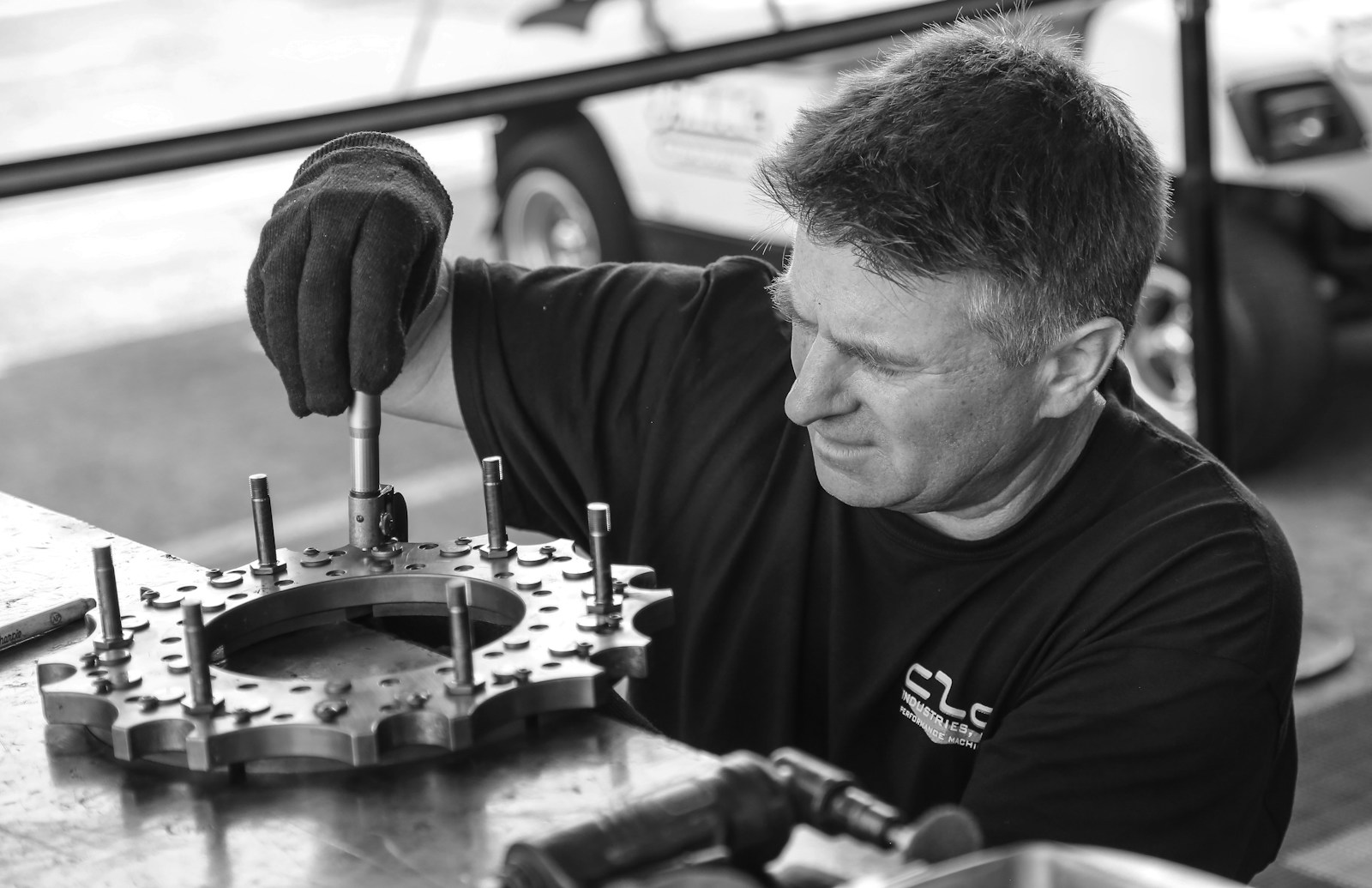

The mechanic had barely wiped his hands when the SUV rolled in like it owned the lot. It was late afternoon, the kind of time when the phones won’t stop and every bay is already packed, but the driver still leaned on the horn like the building was ignoring her on purpose. When he walked outside, she was already out of the car, purse on her shoulder, sunglasses still on, staring at the shop door like it had personally insulted her.
He’d heard about her before. Every small town has that one customer people warn new hires about with the same tone they use for icy roads—technically manageable, but only if you’re paying attention and you don’t do anything sudden. She had a reputation for threatening reviews, throwing around “my lawyer,” and acting like any policy was a personal attack, but she also bounced between shops because she “didn’t trust anyone.” This time, she came in hot, announcing she was there to pick up her car and she wanted it “done right” because last time, apparently, they’d “almost killed” her.
The mechanic—owner, too, which mattered—kept his voice steady and asked her name. She said it like it should’ve been printed on the sign. Then she added, loud enough for the waiting area to hear through the open door, “And if you screwed it up again, I’m going to ruin this place. I’ll make sure nobody brings you a lawnmower, let alone a car.”
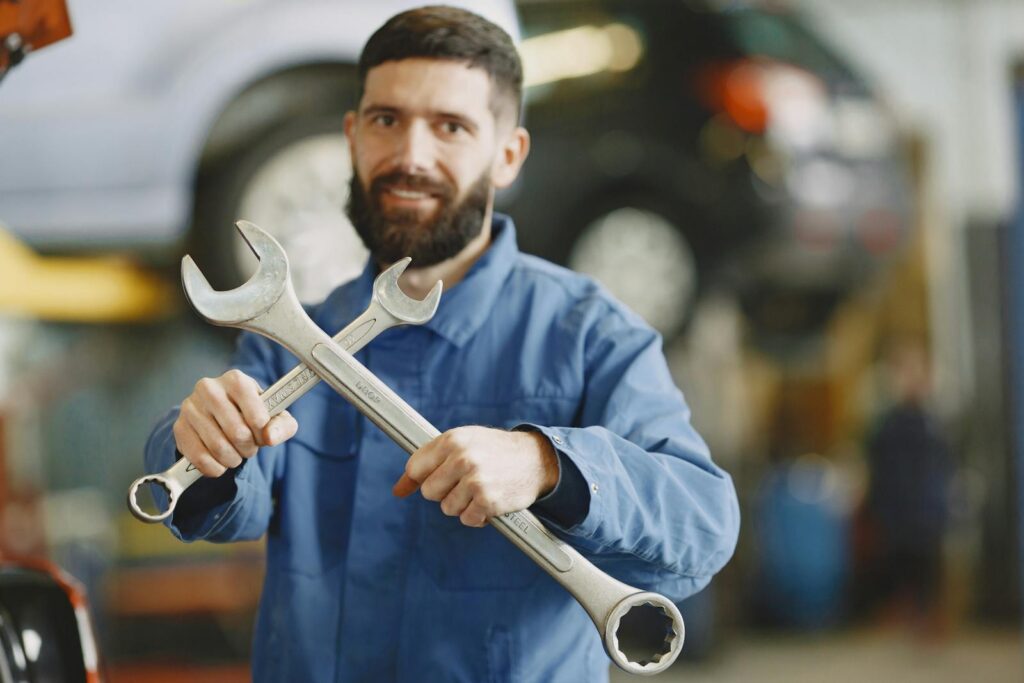
The drop-off that started the fire
A week earlier, she’d towed in the same SUV with a complaint that sounded dramatic and vague: “It’s shaking like crazy, and the brakes are grinding, and I know it’s because of whatever you did.” She insisted they’d serviced her brakes “not even two months ago,” and she wanted it fixed under warranty, immediately, without another charge. When the receptionist asked if she had paperwork, she laughed and said she “doesn’t keep junk,” like that was an advantage.
The mechanic remembered the vehicle, sort of. They see a lot of similar SUVs, and “brake noise” is basically a season, but her face had stuck because she’d argued about diagnostic fees the last time too. Still, he didn’t bite. He told her they’d inspect it, but if it wasn’t related to their previous work, she’d be responsible for parts and labor like anyone else.
That’s when the tone shifted into that particular brand of performative outrage. She planted herself at the counter and started listing ways the shop was “scamming women,” sprinkling in just enough technical words to sound informed—calipers, rotors, “alignment bolts”—without actually saying anything specific. The receptionist kept trying to redirect her toward the paperwork, and the mechanic kept repeating, calmly, that they’d diagnose it first, then talk.
She left the keys with a dramatic little toss onto the counter and said, “Good. Because if I find out you people touched anything you weren’t supposed to, I’m calling the state. And I’m blasting you everywhere.” Then she walked out like she was doing them a favor by not calling the cops on the spot.
Inside the shop: what the car actually looked like
When they got the SUV in the bay, the shaking complaint made sense within about thirty seconds. One front tire had a visible bubble and the tread was worn unevenly, like it’d been driven underinflated for a long time. The brakes were a mess too, but not in a “bad shop did bad work” way—more like “someone has been running this thing into the ground and hoping anger will count as maintenance.”
The pads on one side were worn down nearly to metal, and the rotor looked like a record someone had dragged a nail across. The mechanic called it to his tech, and they both did that quiet, shared look mechanics do when they can already predict the argument. It wasn’t a subtle failure, and it wasn’t consistent with a recent brake job from any shop that wanted to stay open.
They pulled the wheel and found something even stranger: mismatched hardware and a caliper bracket that didn’t match the model’s standard setup. Not impossible—people swap parts, junkyards exist—but it didn’t line up with the story that this shop had serviced her brakes “two months ago.” The mechanic told the receptionist to pull their records and see if her vehicle had even been there recently under her name.
No record. Not in the last year, not under her phone number, not under the plate. The mechanic wasn’t shocked, exactly, but it put a new edge on the situation. Either she was confusing them with another shop, or she was betting that yelling hard enough would get her a free brake job.
The confrontation at the counter
They called her with the estimate and the findings. The receptionist explained the tire issue, the brake condition, and that there was no warranty coverage because they couldn’t find a previous invoice. The mechanic got on the phone too, thinking he could steer it into something productive, like asking if it had been under a different name.
She didn’t answer questions; she treated them like accusations. “So you’re saying you didn’t touch my car? That’s your story?” she snapped, as if the shop was trying to dodge responsibility for a crime scene. Then she pivoted into the threat: she knew “people,” she had “a following,” and she’d make sure the town knew they were “dangerous.”
The mechanic told her, again, that they weren’t refusing service. They’d fix it, but it would cost what it cost. He even offered to show her the worn parts when she came in, because sometimes seeing the shredded pad and grooved rotor is the only thing that cuts through denial.
She showed up the next day, exactly as aggressive as she’d been on the phone, only now she had an audience. There were two other customers in the waiting area, and she seemed energized by them, speaking louder, turning the counter into a stage. “I’m not paying you to fix your mistake,” she said, stabbing a finger at the estimate. “You’re going to eat this, or I’m going to make sure you never work in this town again.”
The tiny receipt that cracked the whole act
Here’s where the mechanic did the simplest thing that somehow became the biggest thing: he asked her, one more time, for any proof of the supposed brake job. Not to be petty—just to anchor reality. She rolled her eyes, dug through her purse like she was searching for a weapon, and slapped down a little wad of paper on the counter.
“Here,” she said. “Happy now?”
It wasn’t a proper invoice. It was one of those thin, faded, thermal-paper receipts people forget in the bottom of a bag, and it was folded so many times the creases had permanent opinions. The mechanic unfolded it carefully, because the paper was already doing that fragile, flaking thing old receipts do, and then he read the top line.
Different shop name. Not even close to his. A place across town, the one with the big neon sign and the “family owned” banner that’s been sun-bleached since 2012. The date wasn’t two months ago either; it was over a year back.
And the part that really did it—the part that made the waiting room go quiet in that uncomfortable, curious way—was the itemization. It wasn’t a brake job at all. It was an oil change and a cabin air filter, plus a note that said “recommend brakes soon.”
The mechanic didn’t gloat. He didn’t get loud. He just slid the receipt back across the counter and said, evenly, “Ma’am, this isn’t us, and it’s not brakes. This is an oil change from last year.”
Her face did something quick and complicated—like she’d been caught and was deciding, in real time, whether to retreat or double down. She snatched the receipt like it was evidence from a trial and tried to pivot. She said the other shop must have “typed it wrong,” that “people mess up paperwork all the time,” and anyway, her brakes shouldn’t be destroyed already if “you guys had any integrity.”
That’s when the mechanic pointed out the obvious, still calm but firmer now: their system had no record of her, her vehicle, or any brake work. He offered to walk her out to the bay and show her the worn-down pads and the rotor grooves, to explain why it needed replacing regardless of who’d touched it last. The offer wasn’t a trap; it was a lifeline, a way for her to change her posture without admitting she’d lied.
She didn’t take it. She went for the only leverage she thought she had left—volume. She announced she’d be posting everywhere, calling regulators, “telling everyone,” and she leaned in close enough that the receptionist shifted back in her chair. The mechanic told her, flatly, that threats wouldn’t change the invoice, and that if she wanted her vehicle released, she could pay the diagnostic fee and tow it elsewhere.
Fallout that didn’t wrap up neatly
She paid the diagnostic fee with the kind of anger people use when they think paying is a moral failure. She demanded a printed copy of everything, then demanded the receipt back, then demanded the worn parts “for her lawyer,” despite not agreeing to any repairs. The mechanic printed her inspection notes and told her the worn parts were still on the vehicle because nothing had been replaced.
On her way out, she tried one more angle: she turned to the other customers and said, “Just so you know, if you trust these people, that’s on you.” Nobody clapped. One guy stared at the coffee machine like it had just become fascinating, and a woman in the corner looked down at her phone with the universal expression of “I’m not participating in this.”
The mechanic watched her leave and didn’t look victorious so much as tired, like someone who’s relieved the building didn’t catch fire but still has to deal with the smoke. The worst part wasn’t even the yelling—it was the knowledge that she might still go try to torch his reputation, even after the receipt exposed the story as nonsense. And that’s the thing he couldn’t invoice for: the lingering, gnawing uncertainty of how much damage a loud person can do, even when a tiny, crumpled piece of paper already told the truth.
More from Steel Horse Rides: