
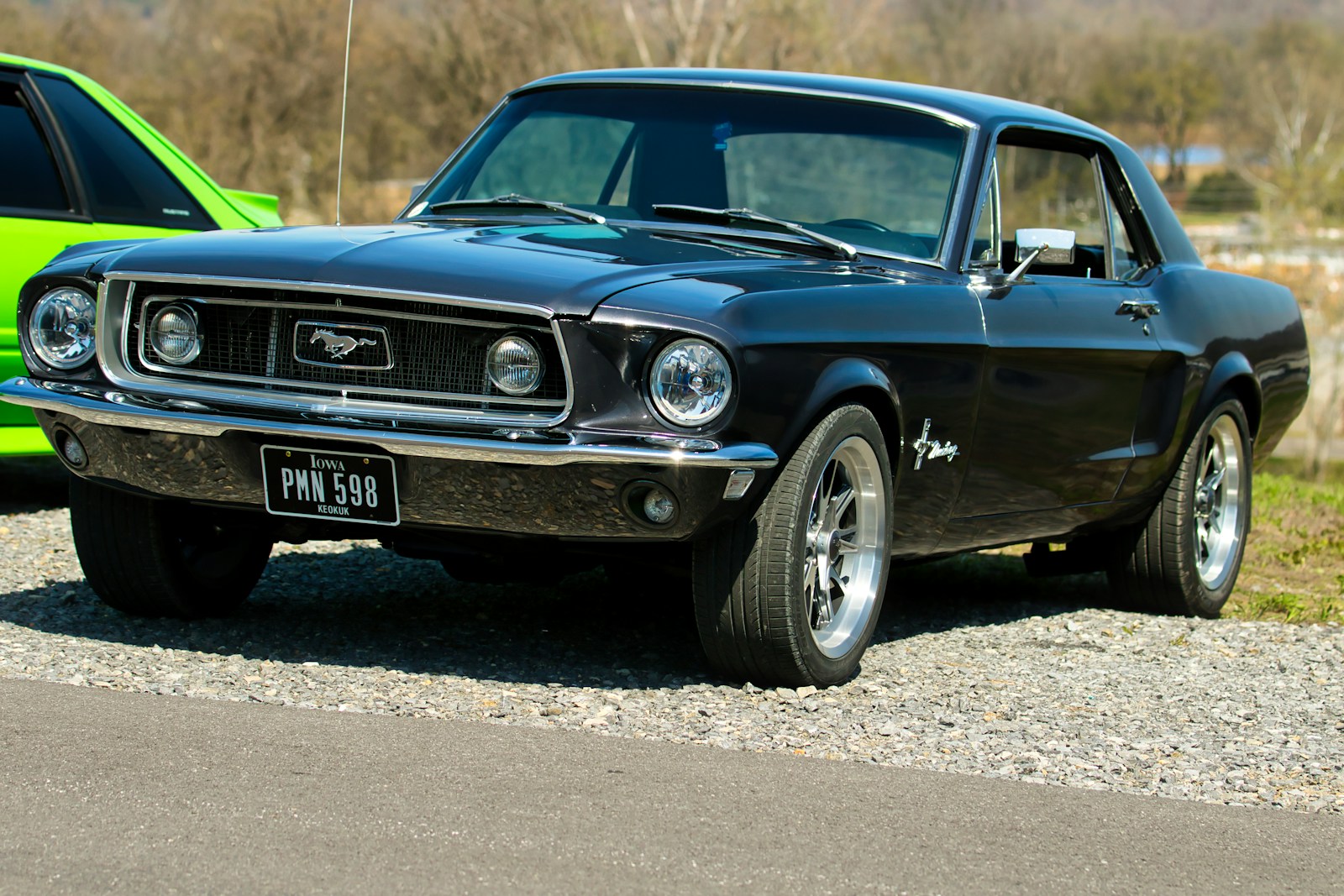

The dad wasn’t the kind of guy who just handed over the keys to a classic car because someone asked nicely. The ’67 Mustang was his “don’t touch it unless you’re bleeding” possession, the thing he’d rebuilt slowly over years with greasy weekends and a level of patience he didn’t extend to most people.
So when prom season rolled around and his son started hovering—casually mentioning how “cool” it would be to show up in the Mustang—the dad didn’t laugh it off like he usually did. He made the kid pitch it like a lawyer: where he was going, when he’d be back, no speeding, no extra passengers, no late-night “after” nonsense. The son promised all of it with that eager, too-fast confidence teenagers have when they’ve already decided the answer.
They struck a deal that felt more like a contract than a favor. Full tank when it comes back, photos in the driveway, and the keys go back on the hook by midnight. The dad even walked him around the car beforehand, pointing at the paint like he was showing him an art museum: “This panel? Original. That trim? Don’t slam the door. And for the love of God, don’t let anyone eat in it.”
The Clean Handoff
The night of prom, the son came out dressed like he’d been dropped into a men’s formalwear catalog—hair combed, tie straight, shoes that actually shined. The dad did the cautious pride thing, trying not to look too impressed while still lingering in the garage doorway like a bouncer. They took a few pictures beside the car, and the dad insisted on a quick lap around the block “just to make sure you’re not riding the clutch like a maniac.”
It was all nerves and forced smiles, but the Mustang looked perfect under the driveway light. The son started it up, the engine doing that low, throaty thing that makes people turn their heads. The dad watched the taillights disappear and told himself it would be fine because he’d raised a decent kid who understood what “don’t mess this up” meant.
He went inside and tried to act normal, but he did that thing people do when they’re pretending not to worry—checking the time too often, wandering into the garage for no reason, hearing phantom screeches of tires whenever a car passed on the street. Prom night stretched out, and midnight came and went with no Mustang in the driveway.
1:17 AM and the Sound of Regret
The dad heard it before he saw it: the Mustang’s engine rolling down the block, not quite the smooth idle it had earlier. When it finally pulled into the driveway at 1:17 AM, it didn’t coast in confidently. It crept, like the driver was hoping the car could become invisible if it moved slowly enough.
The son got out in his tux, still intact but noticeably rumpled, and he didn’t do the usual “how was your night?” grin. He shut the door gently—too gently, like he was trying to avoid waking the car. The dad stepped outside and didn’t even start with a speech; he just walked straight to the front bumper and did that silent inspection thing that parents do when they already suspect the worst.
At first glance, in the dim light, it looked… okay. Then the dad crouched and spotted it: a fresh dent in the rear quarter panel, not massive but unmistakable, the kind that catches light at the wrong angle and makes your stomach drop. The son’s face did that rigid, guilty stillness that says he was hoping the dent would be overlooked like a bad grade hidden under the bed.
“What happened,” the dad asked, and it wasn’t phrased like a question. The son started with the soft version—“It’s not that bad”—which didn’t help. Then came the claim that it was “some idiot in a parking lot,” which also didn’t help, because the dad knew exactly how long you have to be in a parking lot for something like that to happen without you noticing.
The Odometer Doesn’t Lie
They moved to the front seat so the dad could check the mileage, and this is where the conversation shifted from bad to surreal. The dad had written down the odometer before handing over the keys, the way he always did, like he was renting the car to a stranger. Now the numbers were staring back at him with a kind of casual cruelty: four hundred extra miles.
Four hundred miles isn’t “prom dinner and back.” Four hundred miles is a road trip. It’s someone getting on a highway and deciding the night was bigger than the plan, bigger than the rules, bigger than the whole agreement.
The son tried to explain it in pieces, which made it feel worse. There was apparently a “drive” after the dance, then “everyone wanted to see the overlook,” then “we got lost,” then “it wasn’t that far.” Each explanation contradicted the last, and the dad didn’t have to raise his voice for it to feel like the temperature dropped. The dad kept looking at his kid like he was trying to identify a stranger wearing his son’s face.
And then, as if the night hadn’t already given them enough, the dad leaned over toward the passenger side to check for damage and froze. On the light-colored passenger seat, there was a dark, irregular stain—something between a smear and a spill, with the kind of edge that suggested it had been wiped at and made worse.
The Mystery Stain and the Worsening Story
The dad didn’t touch it at first. He just stared, and the son stared too, both of them stuck in that awful moment where everyone knows there’s a problem but nobody wants to name it. The dad finally asked, slow and quiet, “What is that.”
The son’s first answer was the classic teenage non-answer: “I don’t know.” He followed it with, “Maybe soda?” which would’ve sounded more believable if the stain didn’t look like something that had body to it, something that clung to fabric instead of soaking in clean. The dad sniffed the air—carefully, because he didn’t want to put his face too close—and whatever he smelled didn’t provide the relief of an obvious explanation.
The interrogation turned weirdly procedural after that. The dad asked who rode in the passenger seat. The son said his date did, obviously, and then he hesitated before mentioning that “a couple people” got rides too, just for short stretches, just because it was on the way. That was rule number two broken right there, and the dad’s jaw tightened like he was physically holding back the anger to keep it from spilling into something he couldn’t unsay.
The stain became the center of the argument because it was the one thing the son couldn’t narrate his way out of. Dents happen, miles can be explained with stupid choices, but a mystery substance on a seat in a car that was treated like sacred space? That’s the kind of detail that makes a parent’s imagination go feral.
Damage Control That Isn’t Really Control
By then it was after 1:30, and both of them were operating on that jittery mix of adrenaline and exhaustion. The dad demanded specifics—where did you go, who was in the car, what did you hit, when did you notice the stain. The son kept offering fragments, insisting he didn’t hit anything, insisting it must’ve already been there, insisting he “didn’t even see it until now,” which is the kind of claim that only makes sense if you’ve never watched an adult scan their own car like a hawk.
They went back and forth on the dent first. The son said he parked near the venue, came back, and it was there, as if a random car had reached out and punched the Mustang out of spite. The dad pointed out that if it happened at prom, there’d be cameras, there’d be an incident report, there’d be literally anything besides a shrug at 1:17 AM. The son got defensive in that frantic way teenagers do when they know they’re losing ground, and his voice cracked once, which pissed him off even more.
Then came the mileage again. The dad started doing the math out loud—if you went to dinner here, then the dance there, then “the overlook,” then where does four hundred miles live in that story. The son finally admitted there was a longer drive, something about friends daring him to “take it out” and “let it breathe,” which was basically the least convincing poetic justification possible for burning half a tank in a night.
They didn’t even resolve what the stain was. The dad wanted the son to tell him, plainly, if someone threw up, if someone spilled alcohol, if there was some kind of bodily-fluid situation that the kid was too embarrassed to admit. The son kept swearing it wasn’t anything “gross,” but he also couldn’t explain why it looked the way it did or why it seemed like someone tried to wipe it and gave up.
Eventually the dad did the coldest thing a parent can do: he stopped arguing. He took the keys, told the son to go inside, and said they’d talk in the morning when he could “hear himself think.” The son walked toward the door like he was carrying a weight, tux pants dragging a little at the heel, and he didn’t even look back at the car.
The Mustang sat in the driveway under the same light it had looked so perfect under earlier, except now it felt like a crime scene with a soundtrack. The dent caught the porch glow at exactly the wrong angle, and the stain on the passenger seat looked darker in the quiet, like it was settling in. The dad stood there a long time, staring at the odometer and wondering what else the kid hadn’t said, because the miles were undeniable and the seat was right there—and the worst part wasn’t the damage, it was the growing suspicion that the truth was still circling somewhere out on those four hundred miles, refusing to come home.
More from Steel Horse Rides: