
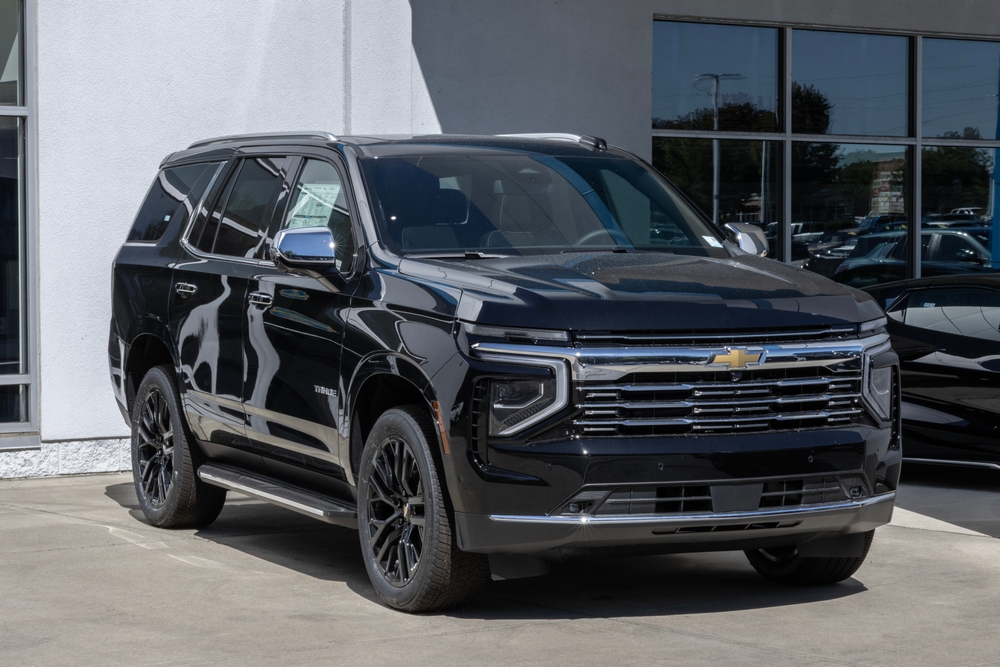

It started the way a lot of family blowups start: with a missing set of keys and that strange, hollow quiet that follows when you realize something in the house is off. The family Tahoe—big, old, paid off, and treated like a shared utility more than anyone’s personal pride—wasn’t in the driveway when the dad looked out the front window. No text from anyone, no “hey I ran to the store,” just an empty patch of concrete and a creeping sense of dread.
The parents did the quick mental inventory first, because that’s what you do when you don’t want to jump to the worst conclusion. Maybe the mom moved it for street cleaning. Maybe the older sister took it to work. Maybe the dad forgot he parked it around the corner. But the keys weren’t on the hook, the spare fob wasn’t in the kitchen drawer where it lived, and their teenage son—the one who’d been asking about “just practicing” driving—was nowhere to be found.
They didn’t even go straight to anger. It was that uneasy, stomach-dropping blend of “what if it’s stolen” and “what if our kid is doing something unbelievably stupid.” The dad called the son’s phone, got a couple rings, then voicemail. He tried again, shorter this time, like maybe the kid would answer if it sounded urgent enough. Nothing.
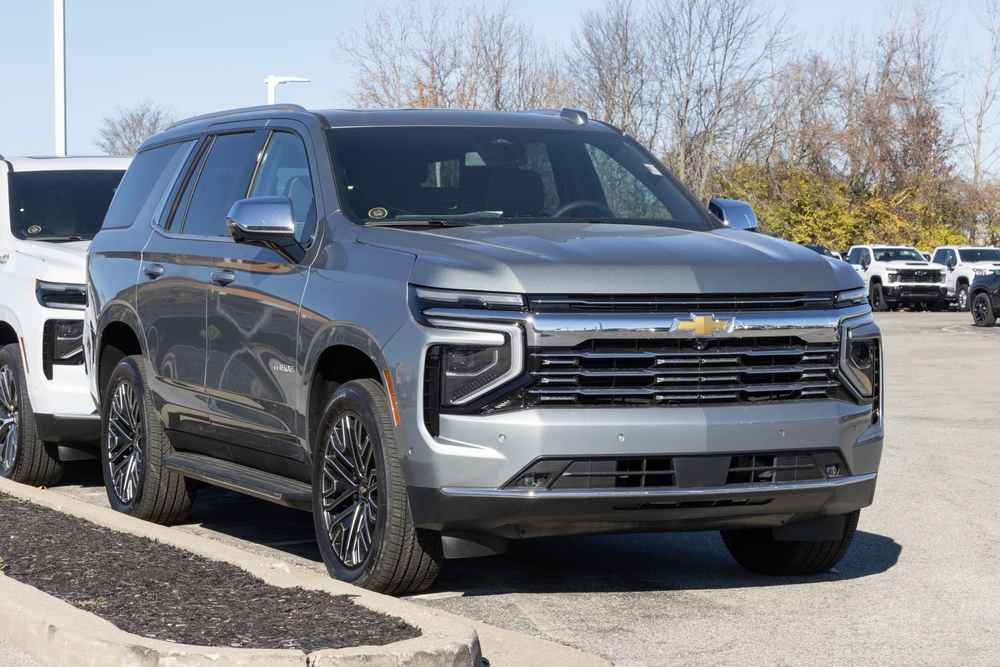
The Missing Tahoe and the Silence
The mom went into problem-solving mode, walking room to room like she might find the Tahoe hiding behind a couch. The dad checked the garage cameras, which were mostly pointed at the driveway and had the handy feature of recording exactly how a person disappears with a vehicle when they’re not supposed to. They watched their son, hoodie up, moving with that exaggerated casualness of someone who’s trying to look like they belong in their own house.
He didn’t sprint. He didn’t sneak in a cartoon way. He just grabbed the keys, glanced over his shoulder once, and walked out like he’d done it a hundred times. Then the Tahoe rolled backward, hesitated for half a second like he’d almost stalled it, and finally lurched forward out of frame.
That’s when the tone in the kitchen changed. The mom’s fear didn’t disappear, but it sharpened into anger that had somewhere to land. The dad kept replaying that half-second pause, imagining the kid taking the Tahoe onto actual roads with actual people, and started muttering things like, “He doesn’t even have his full license yet.”
They tried calling again. They tried texting, too—short messages at first, then longer ones that basically said, “Answer your phone right now,” and finally, “Where are you?” It felt like the kind of waiting that makes the air heavy, because you can’t punish someone until you know they’re alive.
What He Was Actually Doing
When the son finally answered, it wasn’t with an apology. It was with a too-bright, performative tone like he was doing them a favor by picking up at all. He said he was “out,” and when his mom demanded where, he tried to dodge with, “Just around.”
The dad got on the phone and asked the question that always cuts through teenage evasiveness: “Who are you with?” There was a pause, and then the kid admitted he was with a girl. Not his girlfriend, not someone the parents knew, but “this girl from school,” said like it explained everything.
It came out in pieces, the way kids confess when they’re still hoping the details will make it sound less bad. He’d told her his family had a Tahoe. He’d hinted that he could drive. She’d made some comment about how it was “kinda hot” when guys had cars, and his brain had apparently short-circuited straight into proving himself. He didn’t just want to pick her up; he wanted to roll up like he was older, cooler, in control.
The mom asked the most obvious question: “Where are you driving?” And he said, like it was no big deal, “We’re just going to get food.” The dad’s voice went flat and tight when he said, “Bring it home. Now.” The son mumbled something about being “almost done,” which did not help the situation.
Three Hours of Waiting and One Bad Idea After Another
The next three hours were the kind where time moves like syrup. The parents weren’t sitting calmly; they were pacing, checking the driveway, staring at the phone screen like they could will it to ring. Every time a similar engine noise passed outside, the mom would snap her head toward the window.
They argued about whether to call the police themselves. The dad wanted to, because he kept picturing the Tahoe wrapped around a tree, or worse, wrapped around someone else’s car. The mom hesitated, not because she didn’t understand the danger, but because once you bring law enforcement into a family mess, you don’t get to put it back in the box.
They compromised in the most miserable way: waiting just long enough to feel guilty about waiting. They called and texted again, and the son alternated between not answering and answering with irritation, like they were ruining his night. At one point he said, “Relax, I’m fine,” which is the exact phrase that guarantees no parent relaxes for the next decade.
The dad started listing consequences out loud, half to prepare himself and half to keep from doing something rash. No phone, no going out, no sports, no seeing friends, maybe even pulling him from the school dance. The mom, quieter, was stuck on the part where he’d been willing to risk everything—safety, trust, the family’s only big vehicle—because a girl thought a car was “hot.”
The Call From the Cops
Then the phone rang, and it wasn’t their son. It was an unfamiliar number, and the dad answered with that clipped “Hello?” that people use when they already sense they’re not going to like what they hear. The voice on the other end was calm, professional, and immediately disorienting: an officer asking if anyone at the residence had reported a Chevrolet Tahoe stolen.
The dad actually paused, because the question landed like a punch. No, they hadn’t reported it stolen. Not officially. The officer explained that the Tahoe had been “located,” and the reason for the call was simple: it was involved in a situation that made them check whether it was taken without permission.
It wasn’t dramatic like a high-speed chase. It was worse in a slow, stupid way. The son had been stopped—depending on the version the parents later pieced together—for a driving-related issue that screamed “inexperienced.” Maybe he drifted wide on a turn, maybe he rolled a stop sign, maybe he tried to park and clipped a curb so hard someone called it in. Whatever it was, the officer looked at him and didn’t see “responsible young driver,” he saw “kid with a borrowed car.”
And the kid, faced with a uniform and real consequences, apparently tried to talk his way out of it with some vague line about it being “his family’s car.” That prompted the next logical step: the cops calling the registered owners to see if this was a normal family loan or an unauthorized joyride.
The Ride Home Nobody Wanted
When the parents arrived, the scene had that harsh, fluorescent feeling of embarrassment. The Tahoe was parked off to the side, looking perfectly normal, which almost made it more infuriating—like all this chaos was wrapped around something that didn’t even look damaged. The son was standing near an officer, trying to look small and mature at the same time, while the girl hovered a few steps away, arms folded, staring at her phone like she could disappear into it.
The mom’s first instinct was to check her kid’s face and hands, scanning for blood, bruises, anything that meant he’d been hurt. The dad’s first instinct was to stare at the girl, not with hostility exactly, but with that stunned parent thought of, This is who you risked everything for? The officer kept it factual, explaining what the stop was for and confirming—again—whether the parents had given permission.
And this is where it got messy. If they said, “Yes, he had permission,” they’d be lying to the police and effectively teaching their son that he could force them into covering for him. If they said, “No,” they were handing the officer the truth that could turn into citations, court dates, and a record that follows a kid around longer than any grounding ever could.
The dad answered honestly, because he couldn’t stomach making a family policy out of panic. No, he didn’t have permission. The mom looked like she wanted to interrupt, but she didn’t. The son’s face flashed with betrayal—like they were the ones changing the rules—then collapsed into that familiar teenage anger when consequences finally catch up.
The officer didn’t treat him like a hardened criminal. But he also didn’t treat it like a cute mistake. There were forms, there was ID checking, there was a quiet conversation about licensing and unauthorized use, and there was that unmistakable shift in the girl’s posture when she realized this wasn’t a fun story anymore—it was an adult problem with paperwork.
By the time the parents got the Tahoe back and the son was in the passenger seat, the car felt smaller than it ever had. The ride home was mostly silence, the kind that isn’t peaceful, just packed tight with things nobody can say without making it worse. The son kept staring out the window like he was the one wronged, and the parents kept looking straight ahead, both of them thinking the same thing in different words: this wasn’t just about a car, it was about trust that suddenly felt way more fragile than they’d realized.
And the weirdest part was that nothing about the Tahoe had changed—no dents, no smoke, no dramatic damage—yet the whole family dynamic had a new crack running through it. The parents could punish him, sure, and they probably would. But the thing that lingered was that three-hour gap, the dead phone, and the moment a police officer had to ask them, out loud, if their own vehicle had been stolen—because their son wanted to look impressive for a girl who didn’t even look up from her screen when it all fell apart.
More from Steel Horse Rides: