

By the time he pulled into the dealership lot, he’d already done the hard part. Four hours on the highway with three kids in the backseat is the kind of drive where you earn the right to be cranky, even if everything goes perfectly. He’d planned it like a military operation: snacks rationed, bathroom stops timed, and a printed sheet of paper on the passenger seat that said “OUT-THE-DOOR PRICE” in bold letters like a magic spell.
It wasn’t a “maybe we can make something work” number, either. It was the full amount, taxes and fees included, with the salesperson’s name on it and a signature line that had been signed and sent back. He’d gotten it after a week of back-and-forth messages, the kind where you keep repeating, “No surprises, I’m not coming unless it’s final,” until someone finally says, “Yes, that’s the total.”
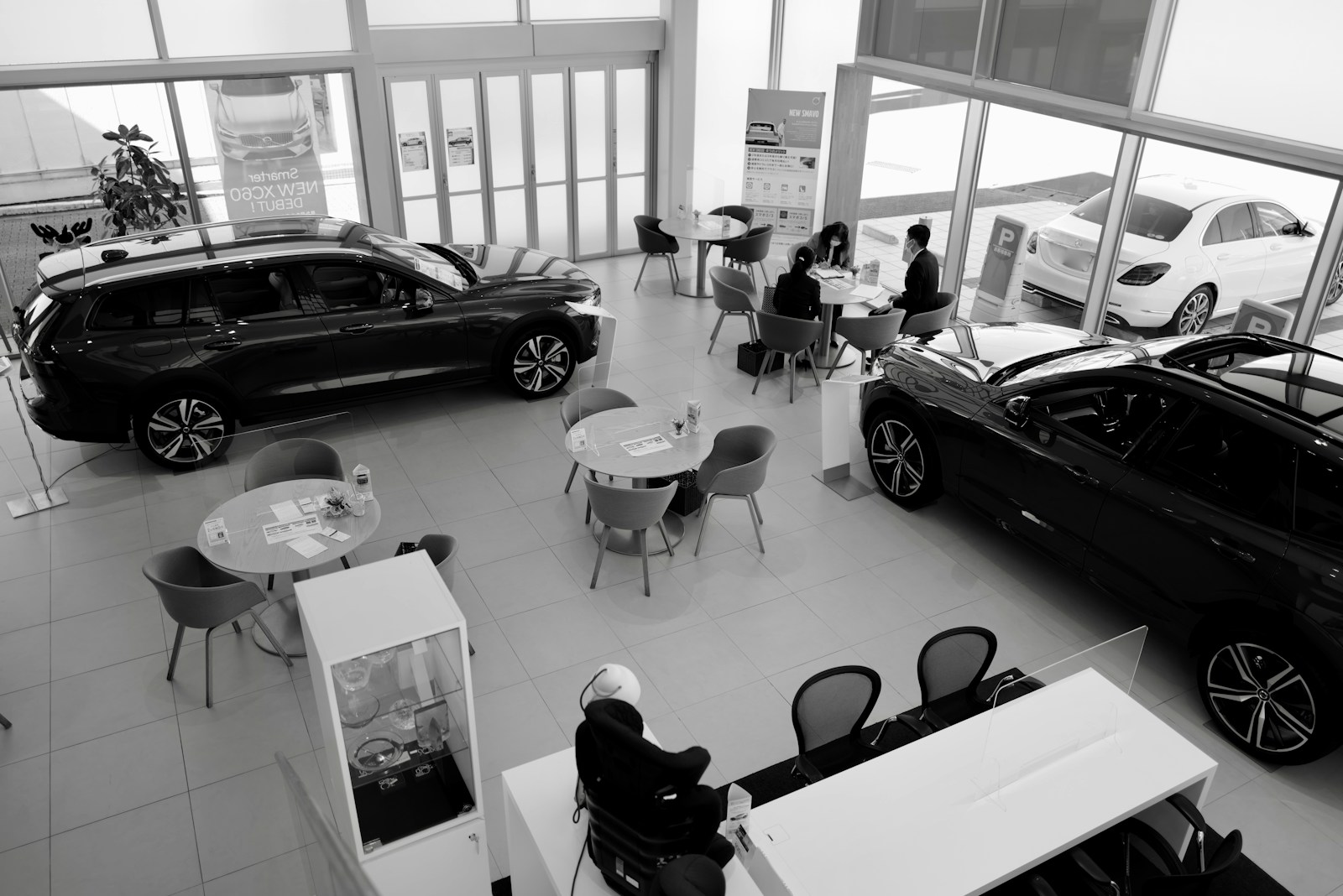
The kids were already unbuckling before the engine fully shut off, spilling out into the heat and the smell of fresh asphalt. He herded them toward the showroom, clutching that paper like a boarding pass. Inside, the air conditioning hit them like a wall, and the sales floor had that shiny, slightly haunted calm—too quiet for a place supposedly moving inventory all day.
The paper was real… until it wasn’t
At first, the vibe was normal. Someone offered a bottled water, complimented the kids for being “good travelers,” and asked if he wanted to take another look at the car. He said he’d already seen the photos, already checked the VIN online, already confirmed the trim, and he was there to sign and leave. He slid the printed quote across the desk like, “Let’s do this.”
That’s when the salesperson’s face did that tiny, involuntary flicker people get when they’re about to say something that won’t go over well. He picked up the paper, stared at it longer than necessary, and stood up with it, saying he just needed to “confirm something with the desk.” The guy watched him weave through the showroom toward the glass-walled offices in the back, where managers sit like they’re in an aquarium.
Ten minutes turned into twenty. The kids were getting restless, climbing onto the chairs, poking at a bowl of stale mints, asking when they could go home. When the salesperson returned, he had the paper folded in half like it was suddenly delicate, and he didn’t sit down right away.
“So,” he started, drawing the word out. The out-the-door price, he said, wasn’t correct anymore. There was an “error” on the quote, and there were “mandatory” add-ons they couldn’t remove—paint protection, theft recovery, some kind of tracking thing—and the new total was higher by a few thousand.
He tried to keep it calm, but the excuses stacked up
He didn’t blow up immediately. He asked the obvious questions: How is a signed out-the-door price an “error”? Why wasn’t the “mandatory” stuff included in the out-the-door price? Why did they confirm it multiple times in writing if it wasn’t real? The salesperson answered with a kind of upbeat defensiveness, like he was trying to keep his voice friendly while pushing a shopping cart full of bad news.
The dealership’s logic kept shifting. First it was “corporate policy,” then it was “inventory is moving fast,” then it was “the market,” then it was “that salesperson shouldn’t have promised that.” At one point, the salesperson actually said, in a tone like he was explaining gravity to a toddler, that the signature “wasn’t a contract,” it was just “a quote.”
That’s when the guy brought the kids into it—not to weaponize them, but because it was the plain truth sitting behind him on the waiting-room chairs. He’d driven four hours with three children because they told him the price was set. He’d arranged the day around it, probably taken time off, probably promised the kids it’d be quick so they could stop for something fun on the way back.
The manager finally appeared, sliding into the conversation like he’d been summoned. He didn’t introduce himself with a name so much as a role. He asked what the issue was, even though he clearly already knew, and then he said the same thing with more confidence: the quote was wrong, the add-ons were non-negotiable, and if the guy wanted the car, he could “work something out.”
The live stream starts: not a threat, more like a reflex
Up to that point, it was the classic dealership stalemate—customer wants the price honored, dealership wants the customer to accept the new number, both sides pretending they’re still “talking.” The turning point was when the manager suggested they could “meet in the middle,” as if the dealership hadn’t already agreed to the original number in writing. It’s one thing to negotiate; it’s another thing to renegotiate after someone’s already made the trip.
The guy pulled out his phone and said he was going to record the conversation. Not in a dramatic, chest-puffing way—more like someone who’s realized the only thing he has left is a paper trail and a camera. The manager immediately stiffened and said filming wasn’t allowed inside. The guy replied that he wasn’t trying to film other customers, just the discussion about the signed price.
He stepped slightly aside, angling the camera so it caught him, the desk, and the manager’s torso. The kids were now fully bored, one of them asking for a tablet, another swinging their legs and watching the adults like it was a weird grown-up sport. The salesperson hovered just behind the manager, looking trapped between loyalty and the realization that this wasn’t going to end cleanly.
Once the phone was up, the manager’s language changed. He got more careful, more vague. He stopped saying “mandatory” as loudly and started saying “dealer-installed options” like it was a neutral description, and he kept repeating that they “couldn’t sell it” for the signed price, as if the car would burst into flames if they tried.
“So the signature means what, exactly?”
The guy asked the question that cut through all of it: if a signed out-the-door price isn’t honored, what’s the point of signing anything? The manager tried to separate “out-the-door” from “out-the-door,” insisting the original paper was a “worksheet,” not the final paperwork. But it had taxes, fees, and the total, and it had a signature—exactly the thing people ask for so they don’t get ambushed later.
Then came the subtle pressure moves. The manager offered to “throw in” one of the add-ons at “no cost,” which made no sense because the add-on was part of what was inflating the total. He suggested the guy could finance through them and “the payment won’t be that different,” which is always a tell that they want you to stop looking at the total number. The guy kept bringing it back to the paper and the fact that he’d traveled four hours because of it.
At one point, the manager asked him to stop recording again, saying it made the staff uncomfortable. The guy didn’t insult anyone or raise his voice; he just said he wasn’t comfortable being told the signed price was meaningless. There’s a particular kind of quiet anger that shows up when someone’s trying not to lose it in front of their kids, and it was all over the way he kept swallowing and re-centering himself.
The manager’s patience started to fray. He said, more sharply now, that they were not going to sell the car for that price, period. And then he tried to pivot into “What can we do to earn your business today?” which, in context, sounded like asking someone what flavor of punch they’d like after you’ve already punched them.
Stalemate, walkout energy, and a morning of receipts
The live stream didn’t end with a triumphant signature or a dramatic meltdown. It ended with that heavy, humiliating dead air that happens when one side refuses to budge and the other side realizes the only remaining move is to leave. The guy gathered the kids, apologized to them for the wasted trip in that soft voice parents use when they’re mad at the situation, not the child, and asked for his keys back from the trade-in appraisal they’d already started.
The dealership didn’t chase him with a better deal. They didn’t suddenly “find a way.” They just let him go, which almost made it worse because it confirmed the whole thing was a calculated gamble: get him there, get him tired, get the kids squirming, and hope he signs anyway. He walked out into the heat, still holding the signed sheet of paper like evidence from a crime scene.
By the next morning, the recording had stacked up views—something like 200,000 people watching a guy calmly insist that a signature should mean something while a dealership tried to wriggle out of it. That number mattered less than what the video captured: not a tantrum, not a “Karen” moment, but the exact point where a normal customer realizes the process is designed to exhaust them into compliance.
The weirdest part is that nothing about it felt neatly finished. The car was still there, probably listed with the same bait number to pull the next person in. The guy was still facing a four-hour drive back with three disappointed kids and a signed “out-the-door” price that apparently wasn’t out-the-door enough. And the dealership, caught on camera saying the quiet part out loud, still had the advantage they always count on—because even when you’ve got the paperwork, you’re the one who has to decide whether to swallow the loss or fight it for weeks.