

It started with something boring: an insurance card. She was running late, she’d already buckled her kid into the back seat, and she was doing that frantic glovebox search everyone’s done at least once—fingers hitting old napkins, a stray pen, a crusty packet of soy sauce that had no business being in a car.
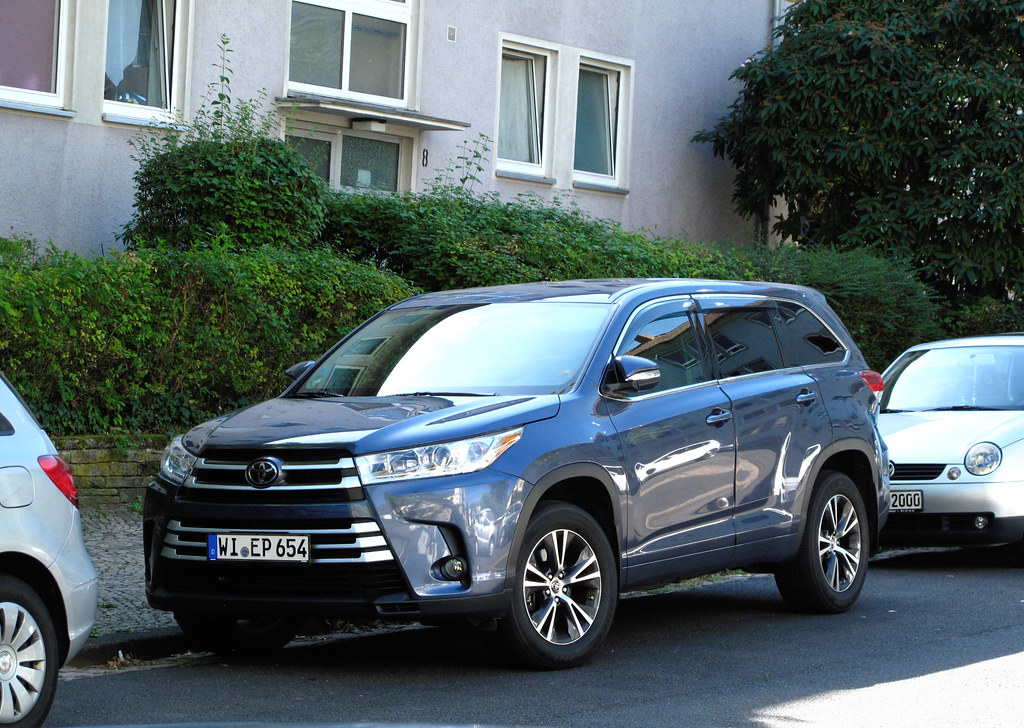
Only it wasn’t her car. The familiar Toyota Highlander she’d been driving for years—the paid-off one she’d bought before the marriage, the one she kept clean and dependable on purpose—was gone from the driveway. In its place sat a lifted truck that looked like it needed a ladder just to climb into, all loud tires and shiny trim, parked like it belonged to someone who wanted people to stare.
Her husband had waved it off that morning like it was no big deal. “I traded it in,” he’d said, casual, already halfway out the door, as if he’d swapped out a toaster. “We needed something better for winter. You’ll love it.” She didn’t even have time to argue before she had to take the truck to an appointment, still trying to figure out why her stomach felt like it had dropped a floor.
The Highlander Wasn’t “Our” Car, and She’d Been Clear About That
The Highlander had history. She’d paid it off early, kept the maintenance up, and treated it like a little island of stability—especially once life got busier and messier with marriage, shared bills, and the constant low-level hum of money discussions.
It wasn’t that she refused to share. She let him drive it, they used it for road trips, and she didn’t act like it was sacred. But she’d been explicit about one thing: don’t mess with it financially, don’t put it on the line, and don’t make big decisions with it without talking.
He, on the other hand, had always had a soft spot for big trucks. It was an ongoing “someday” thing he’d bring up whenever one rumbled past—how a truck was more practical, how it could haul anything, how it sat higher and felt safer. She’d roll her eyes and remind him they didn’t haul anything besides groceries and occasional IKEA boxes.
So when she saw the truck, she didn’t initially jump to “he did something irreversible.” She thought maybe he’d borrowed it, maybe it was a rental, maybe he was doing some kind of temporary swap while the Highlander got serviced. Her brain kept offering gentler explanations because the alternative was too stupid to be real.
The Glovebox Search That Turned Into a Cold Sweat
Inside the truck, everything smelled new in that aggressive dealership way. The seat was higher than she liked, the hood stretched out like a ship, and the suspension made every turn feel slightly theatrical. She tried to focus on finding the insurance card because that was the immediate problem—something she could solve without spiraling.
The glovebox was stuffed, not with the familiar chaos of her own car, but with crisp paper in a stack, squared off like someone had tucked it in carefully. She pulled it out expecting owner’s manuals and dealership brochures. Instead, the first page had numbers on it that made her blink twice.
It was loan paperwork. Her name was on it. Not as a casual reference either—printed where a borrower’s name goes, with the kind of formatting that assumes the person listed is fully aware of what’s happening. There were monthly payments, an interest rate, and a term that stretched out for years.
For a second she just sat there holding it, hearing the blood in her ears. It wasn’t only that there was a loan. It was that she hadn’t agreed to a loan, hadn’t signed for a loan, hadn’t even had a conversation that ended in “okay, let’s do it.”
His Version of “I Thought You’d Be Fine With It”
When she called him, she tried to keep her voice level at first. “Why is there loan paperwork in the glovebox with my name on it?” she asked, as if she was asking about a weird charge on a receipt and not an entire vehicle purchase. There was a pause long enough to feel like a confession forming.
He didn’t deny it. He went straight to justification, like he’d already rehearsed the conversation in his head and decided the best strategy was confidence. He said the Highlander got them “good value,” that the truck was “a better long-term move,” and that the payment “wasn’t even that bad” considering what they were getting.
She kept circling back to the same point: she didn’t agree to any of it, and she sure as hell didn’t authorize her name on a loan. He responded the way people do when they know they crossed a line but want the other person to get distracted by the shiny object. He told her she was overreacting, that it was “just paperwork,” and that she’d be “glad once she drove it for a week.”
Then he said the part that changed the temperature completely: he’d already signed what needed to be signed because “someone had to,” and he didn’t want to “bother” her during her workday. It was framed as consideration, like he’d done her a favor by keeping her out of the annoying dealership process.
The Math Didn’t Add Up, and Neither Did the Story
Once the initial shock wore off, she did what practical people do when things get surreal: she started checking the details. She looked at the trade-in line and saw the Highlander listed like an asset that had been liquidated—value assigned, subtracted, moved along. Her paid-off car had been turned into a discount coupon for his dream truck.
The monthly payment wasn’t catastrophic, but it was absolutely a payment they didn’t have before. The term was long enough to be insulting, and the interest rate was the kind you accept when you’re buying with emotion. She stared at the figures and thought about every time she’d chosen a cheaper option, every time she’d delayed a want because she liked the comfort of “no car payment.”
She texted him asking for the full dealer paperwork and the login to whatever account the loan was under. He got defensive immediately, acting like she was interrogating him for sport. He said it was “handled,” that the dealer explained everything, and that she didn’t need to “dig into it” if she trusted him.
But the paperwork had her name. That was the point. If something went wrong—missed payments, repo threats, credit hits—her credit would be the one bleeding. Trust wasn’t some abstract relationship concept anymore; it had a dollar amount attached and a signature line she didn’t remember signing.
The Fight Wasn’t Even About the Truck Anymore
When she got home, the truck looked even more ridiculous sitting in their driveway, like a physical manifestation of someone else’s impulse. He came out smiling, trying to sell her on the features. He pointed out the tow package, the upgraded suspension, the big screen on the dash, like she was supposed to get distracted by gadgets.
She asked him, calmly at first, to explain exactly how her name ended up on loan documents. He tried to keep it vague, saying the dealership “needed both names” because they were married and it was “easier” for insurance and registration. He said it like it was a harmless shortcut, not a legal boundary being stepped over.
She told him she was calling the dealership to confirm what was signed and when. That’s when he stopped performing calm and started getting sharp, telling her she was making it into “a whole thing” and that she was embarrassing him. The word “embarrassing” landed like a slap because it revealed what he actually cared about: not the violation, but being made to look like the bad guy.
She went inside and shut the door, and the silence that followed wasn’t relief—it was the kind of quiet that signals a relationship entering a new phase. She wasn’t just angry. She was recalibrating everything she thought she knew about who she was married to.
The Fallout: A Loan, a Missing Car, and a Question That Won’t Go Away
Over the next day, she pulled bank statements, searched her email for dealership correspondence, and tried to piece together the timeline. The Highlander wasn’t parked at a friend’s house. It was gone, and the trade-in meant there wasn’t a simple “bring it back” fix unless the dealership agreed to unwind it—which, even in the best circumstances, is a fight.
He alternated between apologizing and minimizing, which somehow made it worse. He’d say he was sorry she was upset, then immediately follow it with “but I did it for us,” as if the outcome should erase the method. He’d promise it was fine, then get irritated when she asked for proof.
And hovering over everything was the question she couldn’t un-ask: if he could do this—take her paid-off car, sign or submit documents with her name attached, and treat her consent like an optional step—what else could he decide on her behalf when he felt like it? The lifted truck in the driveway wasn’t just a vehicle anymore. It was a flashing, expensive reminder that she’d been living next to someone who thought boundaries were suggestions, right up until the moment she found the paperwork in the glovebox.