

By the time his sister asked to borrow the Chevelle, her brother already knew exactly how the conversation was going to go. She’d do the whole sweet-voice thing, slide in a compliment about how “insane” the paint looked, and then casually mention a “super quick” photo shoot she had planned. He’d say no, she’d act wounded, and their mom would text something like, “It’s just a car, honey,” as if the car wasn’t basically his second job.
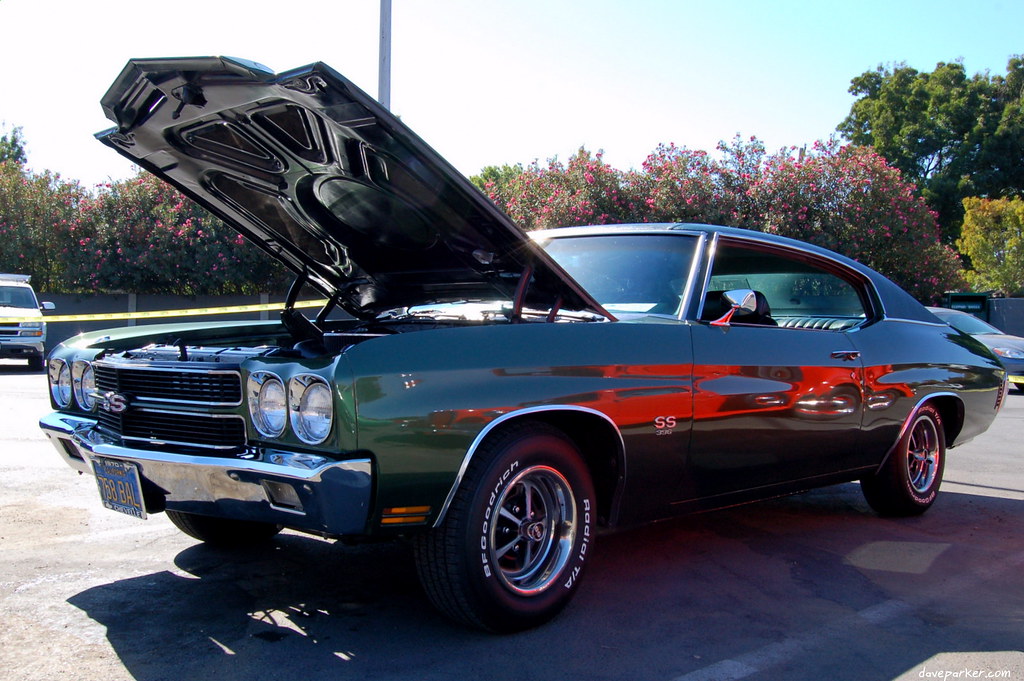
The Chevelle wasn’t some half-running project with primer spots and a cracked dash. It was a restored 1970 Chevelle—freshly detailed, garage-kept, the kind of car he backed into parking spots just to avoid stray carts. The interior still had the original houndstooth seats, and he treated them like museum pieces: no food, no drinks, no denim rivets grinding into fabric, and absolutely no “just set your purse there.”
She didn’t ask to take it out for the day. She asked for “one photo shoot,” like it was a controlled environment where nothing could possibly happen. She promised she’d barely drive it, promised she’d top off the tank, promised she’d be careful. He finally agreed the way people agree when they’re tired of being cast as the uptight villain, and he told her the rules twice while she nodded like she was listening.
The Part Where He Should’ve Trusted His Gut
He handed over the keys with that uncomfortable mix of pride and dread, doing a quick walk-around like a nervous parent checking a car seat. He pointed at the gas gauge and said, “Bring it back exactly like this,” and she rolled her eyes like that was a normal, reasonable thing to scoff at. Then he reminded her—again—no drinks in the car, because the seats were original and “coffee doesn’t come out of history.”
She laughed, said she wasn’t an idiot, and asked if he was going to make her sign a contract next. He didn’t laugh back, which should’ve been the first clue for her that he wasn’t playing. Still, she hopped in, adjusted the mirror with her manicured nails like she owned the thing, and backed out while he watched the rear bumper as if he could will it away from danger.
For the first hour, everything seemed fine. She sent a quick snap of the Chevelle parked near some industrial-looking brick wall, the exact kind of “gritty” backdrop people use when they want to make a brand-new outfit look edgy. He noticed she’d parked it close to a curb and felt his stomach tighten, but he told himself he was being dramatic.
A “Quick Shoot” That Kept Getting Longer
Two hours later, she texted again: “Running a little behind, lighting is weird.” He didn’t respond right away because he didn’t want to be that guy hovering like a parole officer, but he did check the clock and realize it was creeping into late afternoon. The plan had been simple: she uses it for photos, she brings it right back, done.
Another hour went by and she sent a voice note this time, bright and breezy, saying they were “almost wrapped.” In the background, he could hear traffic and someone laughing, like they’d made a day of it. He asked where she was and she sent a location that wasn’t just “around the corner”—it was across town, farther than he’d expected, which meant she’d driven it more than she’d admitted.
He started picturing every scenario. Someone leaning on the fender for a pose, someone dragging a purse buckle along the door, someone setting a coffee on the roof because “it’s just for a second.” He reminded himself she was his sister, not a stranger, and tried to calm down—then his phone buzzed with a text from their mom: “Your sister says you’re stressing her out. Please don’t make this a thing.”
That was the moment it officially became a thing. Now he wasn’t just worried about the car; he was being cast as the controlling brother ruining his sister’s “work.” He didn’t reply to his mom, because there was no version of that conversation that didn’t end with him sounding insane for caring about paint and upholstery.
The Return Drive That Didn’t Sound Right
She finally showed up around dinner, pulling into the driveway like she was arriving at a casual family event, not returning someone’s pride and joy after pushing the time limit into the ground. The first thing he noticed wasn’t the scratch or the gas gauge. It was the way the engine sounded slightly off, not catastrophic, but… different, like it had been revved hard and then cooled down too fast.
She climbed out, still holding her phone, still in “photo shoot mode,” and immediately started talking—how great the pictures came out, how everyone was “obsessed” with the car, how he should really bring it to more events. He didn’t even respond at first. He walked straight past her and looked through the window at the interior, because he had a bad feeling that made his chest tight.
There it was on the houndstooth seat: a brownish coffee stain, not a catastrophic spill that flooded the whole cushion, but a concentrated blotch that screamed “someone set a cup down and it tipped.” The kind of stain that turns into a permanent shadow no matter how many times you dab it. He stared at it long enough that his sister finally followed his line of sight and went, “Oh my god, don’t freak out.”
The Walk-Around That Turned Into an Argument
He didn’t yell immediately. He did that quiet, controlled thing people do when they’re trying to stay calm but are right on the edge, asking, “Why is there coffee in here?” She started with denial—“It’s not mine”—and then pivoted to minimization—“It’s barely anything.” She said it like the word “barely” was supposed to magically rewind time.
Then he checked the gas gauge. Empty. Not “lower than when she got it.” Not “halfway.” Empty enough that the low fuel light was on, which meant she’d driven it around with the tank bone-dry like it was a rental. He turned and asked, “You said you’d fill it,” and she made a face like he was being petty over a technicality.
That’s when he circled the front end and saw the scratch. It wasn’t a microscopic swirl mark; it was a clean, fresh scrape along the lower front quarter, exactly the kind you get from a too-tight parking job or a careless brush against something rough. He ran his finger along it, and the motion made it feel real in the worst way.
His sister immediately went into defense mode. She swore she didn’t hit anything, that it must’ve already been there, that he was “looking for problems.” He reminded her he’d literally inspected the car before she took it, and she snapped back that he “treats it like a shrine.” Their mom, hearing raised voices, came outside and asked what was going on, which only made his sister more indignant because now she had an audience.
How It Got Personal, Fast
Once their mom got involved, the conversation stopped being about a car and started being about their whole family dynamic. The sister complained that he never trusts her, that he always assumes she’ll mess things up, that he cares more about “a stupid old car” than helping her with something that mattered to her. She kept calling it “one favor” like the stain, the scratch, and the empty tank were irrelevant details.
He pointed out that it wasn’t a favor if she returned it worse than she received it. He asked if she planned to pay for the upholstery cleaning and the paint correction, and she laughed—actually laughed—because she thought he was bluffing. Their mom tried to mediate with the usual soft language about siblings and sharing, but she also did that thing where she asked him if he could “just let it go this once,” as if letting it go would undo anything.
The sister admitted—accidentally, in the way people do when they’re flustered—that they’d stopped for coffee “because everyone was tired” and it “wasn’t a big deal.” She also admitted they’d driven to a second location because the first “didn’t have the vibe,” which explained the empty tank and the extra miles. The scratch stayed a mystery, because she wouldn’t concede it happened on her watch, and he couldn’t prove it without sounding like he wanted security footage and sworn testimony.
He told her she wasn’t borrowing it again, ever. She said fine, she didn’t even want it again, like that was the point. Their mom asked him to “think about family,” and he said he was thinking about family, and that’s why it hurt so much that she couldn’t follow three basic rules for one afternoon.
After the argument fizzled out, his sister went inside, still furious, still convinced he was overreacting. He stayed in the driveway with the Chevelle, looking at the stain and the scratch like they were personal insults. The worst part wasn’t even the damage—it was the way she’d returned it acting like she’d done him a favor by bringing it back at all, leaving him stuck with a car that now carried proof that, in his family, boundaries were treated like suggestions.