

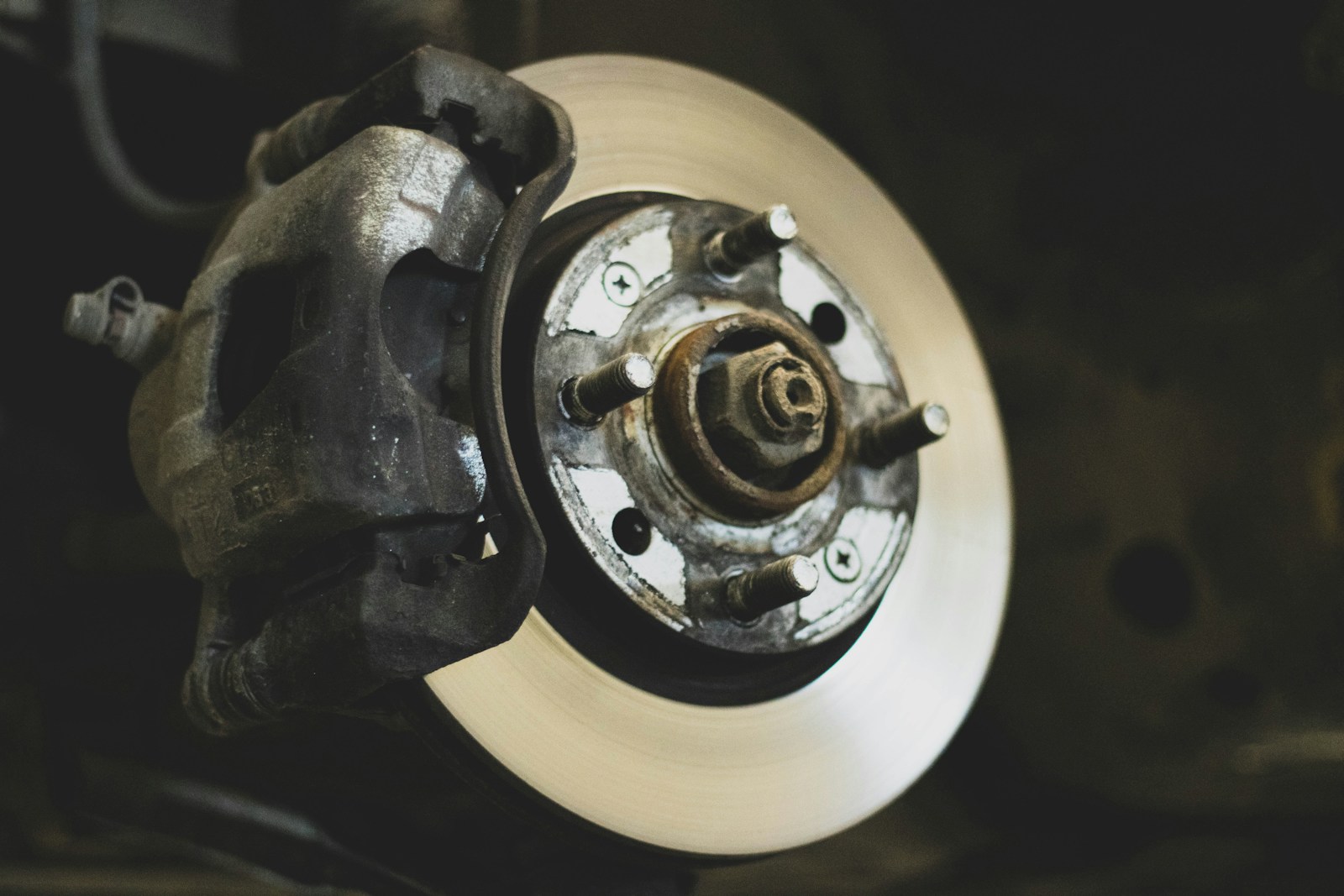
He rolled into the shop like he was doing them a favor, windows up, radio on low, that stubborn little squeal still leaking out every time he touched the brake pedal. The service writer watched the car creep across the lot and already had that look—half curiosity, half dread—because squeals don’t last “a while.” They either get fixed or they get ignored until something expensive starts screaming.
The guy didn’t come in with panic in his eyes. He came in with annoyance, like the car was being dramatic. He said he’d “finally” made time for brake pads, and when the service writer asked how long it’d been making noise, he shrugged and said, “Like… six months? Maybe longer. It’s just been squeaking.”
That’s the part that always makes techs go quiet. A squeak is the car whispering, and six months of whispering means there’s a decent chance it’s about to start yelling.
The intake conversation that set the tone
They did the normal check-in dance: year, make, model, mileage, any pulling, any vibration. He said it drove “fine,” except for the noise, and he wanted the cheapest pad slap possible because he “wasn’t trying to rebuild the whole car.” He also dropped the classic line that he’d looked it up and it “didn’t seem that hard,” which is always a great opener when you’re about to pay someone else to do it.
The service writer tried the gentle approach first. Brake squeal can be pad wear indicators, sure, but six months is a long time for the wear tab to sing without something else happening. The customer waved it off and said he figured they’d just toss pads on and he’d be out of there by lunch.
So they wrote it up as a brake inspection with an estimate for pads and rotors “if needed,” because there’s no universe where a shop promises pads only without looking. The tech grabbed the keys and drove it into the bay, and the squeal turned into a gritty, metallic shush that didn’t sound like any pad material left on earth.
The first wheel came off, and everyone got quieter
Once it was on the lift, the tech popped the first wheel and just… paused. Not for dramatic effect—more like the brain taking a second to process what it’s seeing. The rotor face wasn’t just grooved; it looked like it had been machined by a beaver with a grudge.
He ran a finger near the edge (carefully, because the edge was basically a razor) and you could see daylight where daylight should not be. The rotor was worn down so far the friction surface had turned into a thin, warped ring, and behind it you could actually see the cooling vanes. Not “kinda see them if you squint.” See them, full-on, because the rotor face was eaten through.
The other side was the same story, maybe worse. The pads weren’t “low.” The pads were a memory. The caliper bracket had shiny metal spots where it’d been grinding against what used to be a rotor, and the whole assembly had that scorched look—like it’d been getting hot in ways brakes shouldn’t get hot outside of a racetrack.
Then the tech tried to compress the caliper piston. It didn’t budge. He tried again with more pressure, the way you do when you’re hoping it’s just stubborn. Nothing. The piston was frozen out, sitting extended like it had given up on ever retracting, as if it had decided to live its life out there in the open.
The “pads only” request meets reality
The tech walked up front and gave the service writer the kind of update you don’t deliver casually. Not “hey, it needs rotors.” More like: this vehicle has been operating on borrowed time and bad decisions. The service writer went back to the bay to see it firsthand, because sometimes you need a picture for your own sanity before you try to explain it to the person who’s already primed to argue.
They took photos: rotors worn through to the cooling vanes, caliper pistons extended and immovable, pad backing plates polished from grinding. The service writer started building an estimate that wasn’t going to be fun—rotors, pads, calipers, hardware, probably brake hoses depending on condition, and a full fluid service because overheated fluid doesn’t age like wine.
When the customer came back to the counter, he had his “so how much for pads?” face on. The service writer showed him the photos on the monitor, zooming in on the rotor where the friction surface was literally gone. The customer blinked and did that defensive laugh people do when they don’t like what they’re seeing but they’re not ready to admit it’s their problem.
He asked, “Can’t you just slap pads on it?” The service writer didn’t flinch. Pads need a surface to clamp against, and this rotor didn’t have one. Also, the caliper piston being frozen meant the brakes weren’t releasing right, which is how you get heat, wear, and that fun smell people ignore until smoke gets involved.
The bargaining phase, and the heat behind it
The customer switched gears into negotiation mode. He asked if they could “just do the front” or “just do one side” or “just make it quiet.” He kept circling back to the idea that the shop was upselling him, because in his mind brakes were a simple, cheap maintenance item, and he’d already spent months pretending the noise was optional.
The service writer tried to keep it grounded: this wasn’t “recommended,” it was “necessary.” A rotor worn into the cooling vanes isn’t a borderline call, it’s structural failure. And with pistons frozen out, even new rotors and pads wouldn’t survive; they’d overheat and eat themselves again, fast.
The customer asked how it even got like that, like the car had done it to itself out of spite. The tech, who had wandered up front because he could sense the tone, explained it in plain terms: the squeal was the warning, and the grinding was the deadline. Once the pad material is gone, it’s metal-on-metal, and every stop becomes a little machining job that shaves your rotor into dust.
That’s when the customer got sharp. He said he didn’t drive that much. He said he’d been “meaning to come in.” He said his cousin said squealing was normal. The service writer stayed calm but started repeating the bottom line: they can’t, and won’t, reinstall a brake system that’s unsafe, and they can’t fabricate a miracle out of missing metal.
What the shop would and wouldn’t do next
The uncomfortable part of stories like this is that the shop is suddenly managing a liability situation, not just a repair order. The car was already in the air, the wheels were off, and everyone knew it had been stopping on a mix of luck and friction that shouldn’t exist. If the customer refused repairs, the shop had to decide how to get it back on the ground without signing their name to a future accident.
They offered options, but they were all expensive compared to “pads only.” Replace both front calipers, new rotors and pads, flush the fluid, inspect the rear because nobody ignores front brakes for six months and treats the rear like a beloved pet. They also recommended checking the master cylinder and ABS lines for heat damage, because the evidence suggested the brakes had been cooking for a while.
The customer did the math out loud, like saying the numbers might change them. He accused the shop of trying to scare him. The service writer pointed back at the photo of the rotor where you could see the internal vanes like ribs through torn skin, and asked him what part of that looked like a scare tactic.
For a minute, it seemed like he might storm out. But then the reality of not having a car, and not having a safe car, started to press in. He asked if they could source used parts, and the tech shook his head—used calipers are a gamble, and gambling is what got him here.
He didn’t get a neat resolution on the spot. He asked for the car to be put back together so he could “think about it,” and that request landed like a brick. The shop could reinstall what they removed, sure, but it wouldn’t change the condition of the brakes, and everyone knew he’d be tempted to drive it.
They ended up in that tense middle ground where the shop documented everything, warned him clearly, and tried to get him to at least authorize the minimum safe repair. He stood there, arms crossed, staring at the estimate like it was a personal insult, while the tech stared back with the exhausted look of someone who’s seen the exact same argument play out a hundred times.
What hung in the air wasn’t just the cost. It was the stubbornness of it—the way six months of squealing had become a point of pride, like ignoring a problem proved something. And now the car had finally forced the issue, not with a gentle reminder, but by wearing itself down to the bones, leaving everyone in the shop waiting to see whether the customer would pay to fix it… or keep insisting it was “just pads” while holding the keys to something that barely had brakes left.