

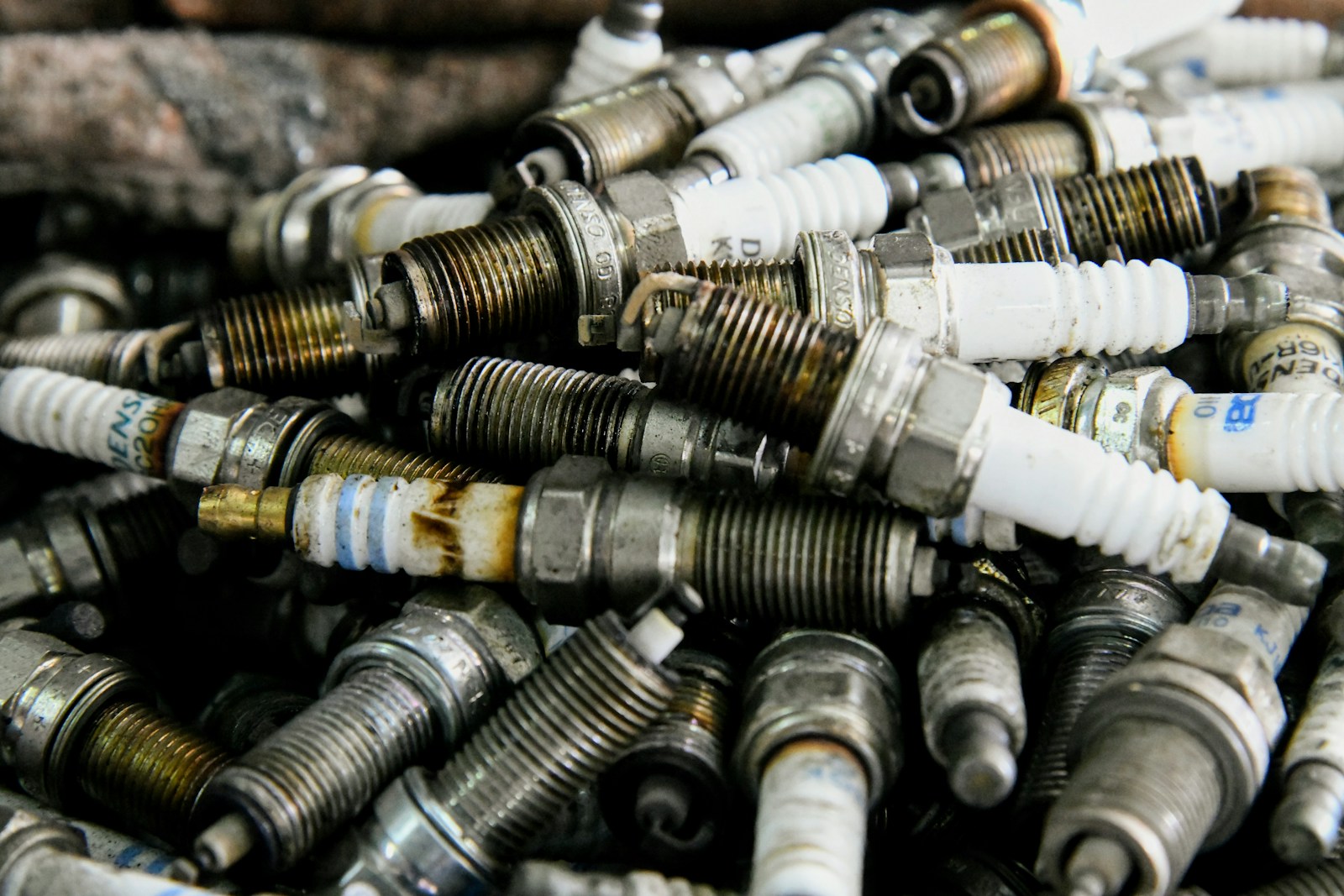
It started as one of those “simple service” appointments that everyone in a shop likes to see on the schedule. A clean, low-mile Porsche 911 came in for a routine tune-up: plugs, coils check, fluids, the usual stuff that keeps a modern sports car from turning into a very expensive paperweight. The owner was the type who parked perfectly between the lines and asked for the old parts back, not because he didn’t trust anyone exactly, but because he liked to see what he paid for.
The service manager had two techs out that day and an apprentice who’d been begging for more hands-on work. The apprentice was new enough that he still had that “I can do it, watch me” energy, but not new enough that anyone hovered over him every second. When the manager handed him the 911 job—under supervision, in theory—it felt like a little vote of confidence.
What the manager didn’t know was that the apprentice had already decided he’d rather die than walk back into the office and admit he messed up a spark plug thread on a ninety-thousand-dollar car.
The plug that didn’t want to start
On that generation of 911, access isn’t exactly generous, even when you know the trick angles and have the right extensions. The apprentice started with the confidence of someone who’d watched the senior tech do it twice and assumed that meant he could do it forever. He got the first few plugs out, lined up the new ones, and went in by hand like you’re supposed to.
Then he hit the one that didn’t feel right. Instead of that smooth, reassuring “it’s catching” feeling, it had a gritty resistance, like the plug wanted to go in sideways. He backed it out, stared at it, tried again.
At some point—maybe because he was tired of fighting it, maybe because he heard the manager walking through the bay—he reached for a ratchet. That’s the moment the threads stopped being threads and started being a problem.
The plug went in, but not like it should. It tightened with that fake-tight sensation that isn’t torque so much as metal surrendering. The apprentice froze, then did the classic move: he pulled it back out and saw the damage. The plug threads looked chewed, and the hole in the head was no longer something you’d describe as “healthy.”
Panic math and a tube of JB Weld
There are two ways people respond to that kind of mistake. One is to go find the service manager immediately and say the words nobody wants to say: “I messed up.” The other is to start doing panic math, calculating how many hours a head repair costs, what Porsche parts pricing looks like, and how fast a career can end in a small shop.
The apprentice went with option two. He knew enough to know that a proper fix meant a thread insert, probably a Time-Sert or Helicoil, done correctly, ideally with the head off if you want to be absolutely safe about debris. He also knew the manager would ask why the plug got cross-threaded in the first place, and there wasn’t a great answer that didn’t end with “because I forced it.”
So he did something that made sense only if you were panicking: he tried to make the plug “stay” with JB Weld. Not a little dab as a temporary seal until the car got moved, either—he treated it like he was patching a cracked boat hull. He smeared it around the plug threads, worked it in like it was going to re-create missing aluminum, and snugged the plug down with a confidence he hadn’t earned.
When he wiped the excess, it almost looked clean. That’s the dangerous part about bad fixes: they can look fine for just long enough to get you into deeper trouble.
Buttoned up, shipped out, and a weird feeling in the bay
He finished the rest of the job fast, too fast, the kind of speed that looks like productivity until you notice the lack of small talk. He reinstalled the coils, clipped the connectors, cleared any codes that popped from having things unplugged, and started the 911. It idled. It even revved, mostly, and nobody likes to admit how much relief comes from an engine running when it shouldn’t be trusted.
The service manager did his usual walk-by check. He didn’t pull the apprentice aside immediately because from ten feet away everything sounded okay, and the paperwork looked normal. The apprentice was a little sweaty for a climate-controlled shop, but people run hot, right?
The customer came in, signed, asked a couple of questions about plug intervals, and drove away. The manager watched the car roll out with that casual pride shops have when something nice leaves in one piece. Then he noticed the apprentice lingering near the tool chest, not cleaning, not starting another task, just… hovering.
“You good?” the manager asked. The apprentice said yeah, just tired, long morning. The manager let it go, because if you interrogate every weird vibe in a shop, you never get anything done.
It came back on a flatbed, and that’s when the story turned
Two days later, the 911 was back. Not politely, either—flatbed, hazard lights, the kind of arrival that makes the front desk go quiet. The owner climbed out with his jaw tight and his keys already in his hand like he’d been gripping them the whole ride.
He didn’t do the usual customer routine of “Hey guys, quick question.” He went straight to “It started shaking on the highway.” Check engine light, flashing at one point, then it settled into a nasty misfire that made him pull off and call for a tow because he wasn’t about to risk a Porsche engine over somebody else’s mistake.
The service manager took the keys and did the calm voice thing, but you could tell he was already building a mental timeline. Fresh plugs, fresh coils check, now a misfire? That narrows the possibilities fast, and none of them are fun.
They scanned it: misfire on the cylinder that corresponded to the apprentice’s “problem” plug. The manager didn’t know that yet, but the car did. Engines have a way of tattling.
JB Weld doesn’t stay a secret for long
When the manager pulled the coil and looked down into the spark plug well, he saw something that didn’t belong: a dull gray crust around the plug seat. It wasn’t factory sealant. It wasn’t anti-seize. It was that unmistakable epoxy look, like someone had tried to glue their way out of physics.
He didn’t even have to say much. He called the apprentice over and asked, quietly, “What is this?” The apprentice stared at the hole, and you could see him calculating whether to lie harder or finally stop digging.
He tried a half-lie first. Something about “it felt loose” and “I thought it might seal better.” The manager didn’t raise his voice, which somehow made it worse. He just said, “You don’t ‘seal’ spark plugs with epoxy.”
Now the shop had two problems. One was the damaged threads. The other was that epoxy can break off, fall into places it shouldn’t, and turn an expensive repair into an even more expensive one. The manager had to think like a mechanic and like a business owner at the same time, and those two people rarely agree.
The uncomfortable meeting nobody wants
The owner was in the waiting area, arms crossed, watching everything through the glass like it was a courtroom. The manager walked him through what they found without embellishing it, which is its own kind of mercy. He explained that one plug hole appeared compromised and that a non-approved material had been used in an attempt to correct it.
The owner’s face did that slow change from confusion to anger to something colder. He asked the obvious question: “So who did that?” The manager didn’t throw the apprentice directly under the bus, but he also didn’t pretend it was a mystery. He said, “One of our guys worked on that cylinder, and we’re taking responsibility for the repair.”
Then came the part where everyone’s stomach drops: what “taking responsibility” actually means. A proper repair wasn’t cheap, and the owner wasn’t in the mood for “goodwill discounts.” The manager offered to cover the full cost of a thread insert repair performed by their senior tech, and if there was any sign of debris damage or compression loss, they’d escalate it—at the shop’s expense.
The owner didn’t yell. He just said he didn’t want band-aids on a performance engine and that he’d be talking to Porsche-certified specialists if he smelled any more improvisation. He asked for everything in writing.
Back in the bay, the apprentice finally said the thing he should’ve said on day one: he cross-threaded it, panicked, and tried to hide it. The manager looked at him like he was seeing two different people—the kid who wanted to learn, and the liability who’d just turned a routine job into a potential engine nightmare. And the worst part wasn’t even the repair bill; it was that now every job that apprentice touched was going to feel suspicious, even the ones he did right.
The 911 sat on the lift with its coil pack dangling and that gray epoxy ring staring up like evidence. The manager started making calls, the owner started calling his own people, and the apprentice stood there holding a ratchet like it was suddenly heavier than it used to be. Nobody in that shop could pretend it was just about a spark plug anymore, because it never is—once someone chooses hiding over honesty, everything after that becomes a question mark.