

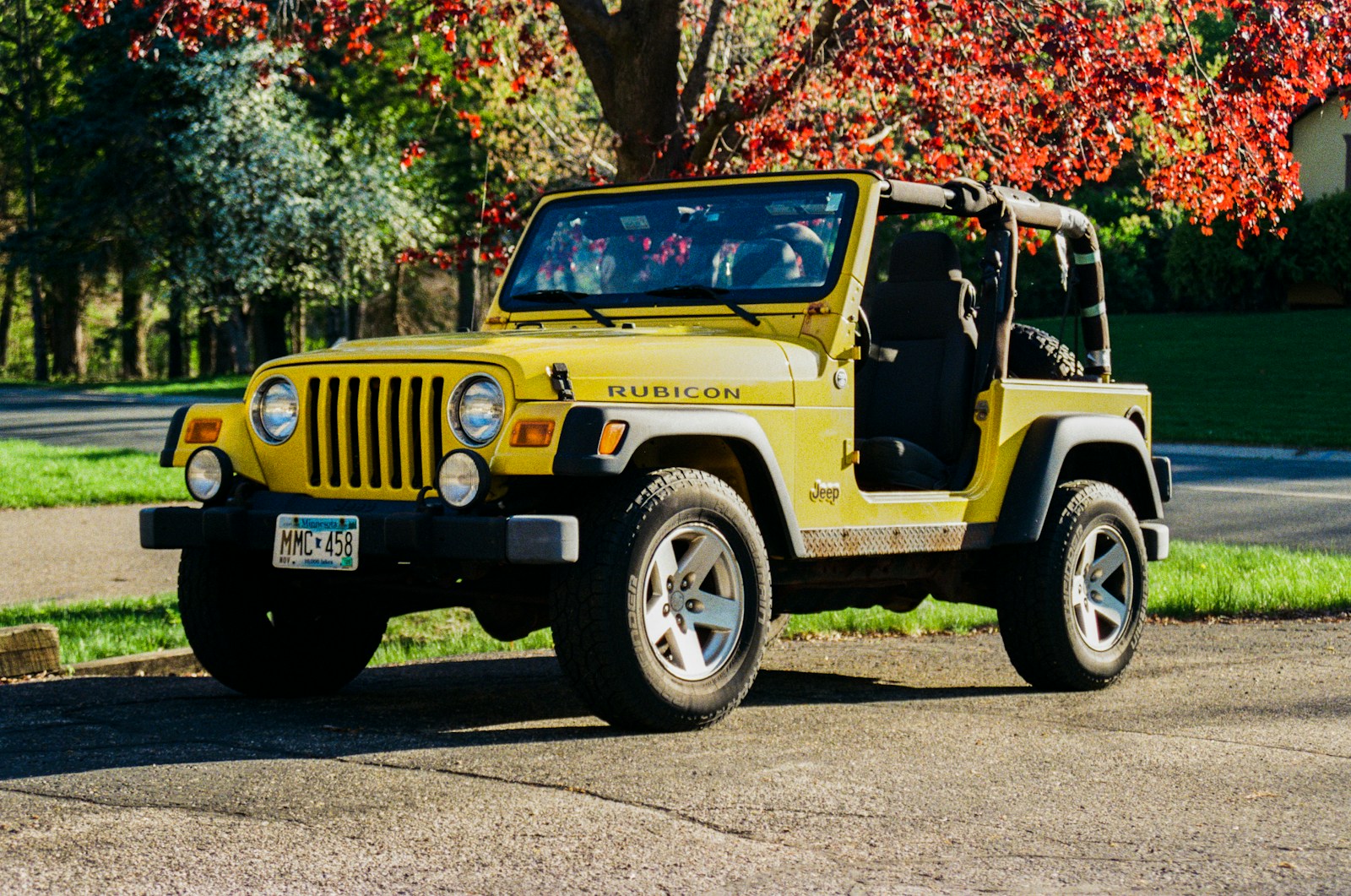
The Wrangler rolled into the service bay with that particular kind of swagger some owners bring in with the vehicle: half pride, half suspicion. The owner—mid-40s, ball cap, keys clipped to a belt loop—already had his diagnosis ready, like he’d been rehearsing it on the drive over. “Bad gas,” he told the advisor. “Been running rich for months. Started right after I filled up at that station off the highway.”
The tech who ended up on it had heard every version of the bad gas story, usually delivered with the same confidence as an eyewitness account. But the Jeep did smell like fuel, and the idle wasn’t happy—lumpy, a little too eager to die at stoplights. The owner kept circling back to that one fill-up, like the whole thing was a grudge match between him and a pump nozzle.
He wasn’t just annoyed, either. He was offended. He talked about how he’d run injector cleaner through it, changed plugs “just in case,” and even tried a different octane because someone at work said higher numbers meant “cleaner burn.” Nothing fixed it, and he’d reached the stage where he wanted the shop to confirm he was right and give him something official to point at the gas station with.
The Jeep That “Just Didn’t Feel Right”
The paperwork didn’t scream catastrophe. Complaint: rich running condition, poor fuel economy, occasional rough idle, check engine light on and off. The owner’s notes—because there were notes—also mentioned a “weird smell when heat is on” and that the Jeep felt sluggish “like towing something.”
When the tech started it cold, the exhaust had that thick, gassy bite that makes your eyes narrow. The Wrangler stumbled, caught itself, and then settled into a fast idle that sounded a touch muffled, like it was breathing through a scarf. Nothing cinematic, just wrong in a way that made you want to lift the hood and start with basics before you went chasing ghosts.
They scanned it and got a couple of fuel trim-related codes that could’ve been anything: sensor drift, vacuum issue, restricted airflow. The owner, watching from the waiting area through the glass like he was monitoring a hostage negotiation, kept motioning at the screen whenever a number changed. Every time the advisor walked by, he’d repeat the same line: “I promise you, it was fine before that gas.”
The Argument Starts Before the Hood’s Even Up
The tech did what techs do: he asked questions that sounded, to the owner, like doubt. How long had it been since the air filter was checked? Any rodent issues where it’s parked? Has it been sitting more lately? The owner’s face tightened at “air filter,” like it was an insult.
“I don’t drive a beater,” he said, loud enough that the service desk heard it. “I keep up on maintenance. And no, I don’t have mice in my Jeep.” He said it the way people say “I don’t have bedbugs,” like the mere suggestion makes you itchy.
The advisor tried to keep it smooth—sure, sure, just routine questions—but the vibe was set. The owner wanted a narrative where he was a responsible driver wronged by a careless business. The shop, by default, was the annoying fact-checker who might ruin that story.
So when the tech popped the hood and went straight for the intake box, it felt, to the owner, like a personal challenge. He drifted closer, hovering at the edge of the bay where customers aren’t supposed to be. Arms folded, eyes narrowed, ready to watch the “air filter excuse” fall apart.
Two Inches of Mouse Apartment
The tech unclipped the air box and lifted the lid, expecting at worst a dirty filter. What he got was a wall of shredded insulation, leaves, and fuzz-packed debris piled high enough that the filter was barely visible. It wasn’t just a little nesting—it was a whole structure, dense and matted, like someone had filled the box with a gnarly, hand-torn quilt.
He pulled the filter out and it came free with that sticky resistance you only get when something’s been compressed and damp. The nest was a solid two inches thick, packed against the intake path like a custom-made choke point. There were bits of grass, paper, and what looked like the remains of a granola bar wrapper, all layered in like a disgusting lasagna.
The smell hit next—warm, dusty, sour—followed by that faint ammonia edge nobody likes to name out loud. The tech didn’t do the dramatic gagging thing, but he did the small, involuntary exhale through the nose that says, “Yep. That’s pee.” He held the filter up for a second, letting it sag under its own filth, and then looked over at the advisor like, you seeing this?
The owner’s first reaction wasn’t embarrassment. It was denial so fast it sounded rehearsed. “That’s impossible,” he said, stepping closer, peering like proximity would make the evidence change. “I don’t park in barns. I don’t have mice.”
The tech, still calm, pointed out the chewed bits along the plastic edge and the way the material was layered. This wasn’t windblown debris. This was deliberate construction, the kind of work done by something with teeth and time.
“Bad Gas” Meets Physics
Once the nest came out, the tech explained it the simplest way he could: engines need air, and this thing had been trying to inhale through a mattress. Restricted airflow can absolutely mess with fuel trims, make the engine run rich, foul plugs, and tank mileage. It’s not a mystical curse; it’s a basic mismatch between air and fuel that the computer can only correct so far.
The owner kept trying to steer it back to his original theory. “But it happened after I filled up,” he insisted, voice rising a notch. “It started that day.” He talked like time order was proof, like coincidence couldn’t exist if he was mad enough.
The advisor stepped in gently and asked where the Jeep’s been parked lately. That’s when the owner mentioned—almost as an afterthought—that he’d been leaving it at his brother-in-law’s place for a couple months while some driveway work got done. Gravel lot, tall grass around the edges, a shed out back where birdseed was stored. He said it like it was irrelevant, like the location couldn’t possibly matter because he didn’t want it to.
The tech didn’t pile on. He just nodded and kept the conversation on the car. He showed the owner the filter—how it was bowed, how the pleats were clogged and stained. He pointed out how the nest material sat exactly where air would need to pass, and how the intake tract had bits of fuzz stuck to it like it’d been trying to swallow the place.
And then came the part the owner didn’t want: the shop wasn’t going to call the gas station. They weren’t going to print him a report that said “bad fuel” and hand him a villain. What they could do was clean the intake, replace the filter, check for additional nesting, and see what the fuel trims looked like after the engine could breathe again.
Cleaning It Out Doesn’t Clean Up the Feelings
They found more evidence deeper in—smaller bits, not as packed, but enough to make it clear the air box wasn’t the only spot the mouse had explored. The tech vacuumed carefully, wiped what he could, and recommended checking the cabin filter too because that “weird smell when heat is on” suddenly made a lot more sense. The owner flinched at that suggestion like it physically hurt to hear.
When the new filter went in and the Jeep started again, it sounded different immediately. Smoother intake noise, steadier idle, less of that fuel-heavy exhaust sting. The scanner numbers started to drift toward normal as the computer recalibrated, and the tech let it warm up, watching it like you watch someone after they’ve been sick—better, but still not totally trustworthy.
The owner didn’t celebrate. He stood there with his jaw tight, staring at the old filter like it had personally betrayed him. He kept asking how long it could’ve been like that, how it could’ve happened “so fast,” as if speed would make it less humiliating.
The advisor printed the estimate and the owner got hung up on the fact that “mouse nest removal” wasn’t a warranty item. He wanted to argue it down, not because it was a fortune, but because paying for it felt like admitting he’d been wrong. He started saying the shop should’ve checked the air filter earlier, even though he’d been in there months ago for something unrelated and had declined the optional inspection add-ons.
The tech didn’t get dragged into that fight. He just bagged the nest, set it aside like evidence, and moved on to the next job. But the tension stayed in the bay like a bad smell: this wasn’t just a clogged filter, it was a guy losing the story he’d been telling himself for months.
By the time the Wrangler left, it ran better and the owner was quieter, but not relieved. He drove off with the same rigid posture he’d arrived with, as if the Jeep being fixed didn’t fix the part that mattered to him. The nest was gone, the rich running was finally explained, and the “bad gas” enemy evaporated—leaving him with a new problem he couldn’t argue with: the one he’d parked in tall grass and insisted couldn’t happen.