

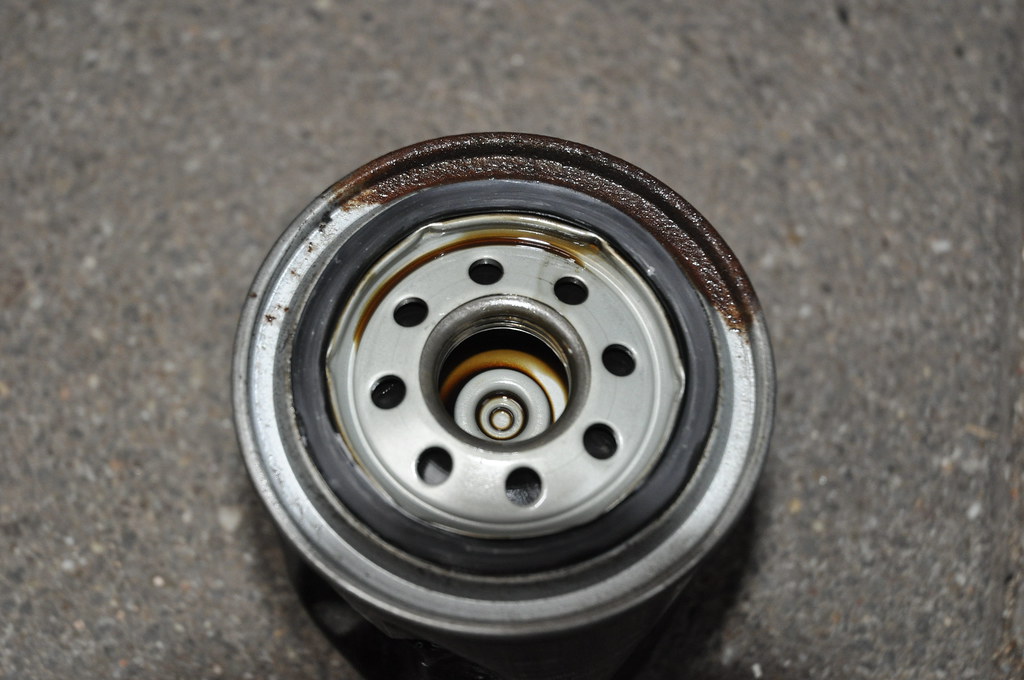
The 2021 Mazda CX-5 was one of those “responsible adult” cars—clean, practical, still new enough that the owner actually cared where it got serviced. That’s why the quick-lube place felt like a harmless shortcut: pop in, sip burnt coffee in the waiting area, get a sticker on the windshield, leave with fresh synthetic and a little smugness.
The techs were moving fast that day, the kind of fast where you can hear impact guns chattering through the wall and smell hot oil even in the lobby. The owner watched from a plastic chair while someone in a stained shop shirt walked briskly between bays, wiping hands on a rag that had long since lost the ability to clean anything. Fifteen-ish minutes later, the CX-5 rolled out like it always did, and the cashier delivered the usual script about mileage intervals and “you’re good to go.”
Half a mile later, the driveway looked like a crime scene—except the victim was a jug of full-synthetic, and the weapon was gravity.
The “Easy” Oil Change
Nothing about the visit screamed disaster at first. The owner had pulled in because the maintenance reminder was nagging and the weekend was packed, so the idea of a quick stop sounded efficient. The place promised “fast service” on a big sign out front, and the parking lot had that constant churn that makes it seem legit.
Inside, it was the usual small talk: “Any leaks? Any weird noises?” The owner said no, because there weren’t any, and handed over the keys with the mild trust you give to people who do the same task a hundred times a day. The CX-5 went up on the lift, and the owner went back to scrolling on their phone, only half paying attention to the blur of movement through the service window.
That’s the thing about quick-lube shops: the whole vibe is designed to keep you relaxed. Lots of “we’ll have you out in no time,” lots of confident nodding, and the weirdly calming routine of it all. Nobody wants to be the paranoid customer hovering over a mechanic’s shoulder, so most people don’t.
Half a Mile of Normal… Then the Smell
The CX-5 started fine. No warning lights, no rough idle, nothing that would make a normal person do anything other than head home and mentally check “adult errand” off the list. The owner pulled onto the road and drove like normal, probably thinking about groceries or laundry or whatever was next.
Somewhere around the half-mile mark, something felt “off” in that hard-to-describe way—like the engine wasn’t quite as quiet as it should be, or there was a faint vibration that didn’t match the road. Then came the smell: that sharp, hot-oil scent that doesn’t belong in a modern cabin. It wasn’t a gentle hint, either; it was the kind of smell that makes you look down at the dash even if there aren’t any lights on.
The owner didn’t even make it far enough for a proper diagnosis spiral. They turned back toward home, keeping the speed low, trying to convince themselves it was just a little spill burning off the exhaust—something that happens sometimes when a tech gets sloppy with a funnel. That’s the reasonable explanation people cling to when the alternative is “my engine is currently eating itself.”
The Driveway Turns Into an Oil Slick
When the CX-5 pulled into the driveway, the problem stopped being theoretical. There was a fresh, glossy trail behind the car—dark, wet, unmistakable—like someone had poured a line of syrup on the asphalt. It wasn’t a drip. It was a full-on pour.
The owner shut the engine off and got out, and that’s when it hit: the entire underside of the front end was glistening. Oil was everywhere, reflecting light in that sickening rainbow sheen, and it was still spreading, crawling downhill in slow motion. The “burning off a little spill” theory died immediately.
They popped the hood because that’s what you do when you don’t know what else to do. Nothing up top looked obviously wrong, which somehow made it worse—because if oil is vanishing that fast, it’s not politely leaking from a gasket. It’s escaping through a wide-open exit.
Realizing the Filter Was Never Put Back
It didn’t take a master tech to find the source once they looked underneath. The owner crouched near the front and saw what looked like an empty spot where a metal canister should be, plus the messy splatter pattern that happens when pressurized oil gets introduced to open air at operating temperature. The oil filter—one of the most basic, visible parts of an oil change—was simply not there.
At this point the emotions shifted from panic to a very specific kind of anger. Not the “I’m going to scream” kind right away, but the tight, focused kind where you start mentally listing how much an engine costs and how many payments you have left. A 2021 CX-5 isn’t a beater you shrug about; it’s a vehicle people buy because they want it to last.
The owner looked back at the driveway, watching synthetic oil creep toward the street, and realized the mess wasn’t just mechanical. It was environmental and expensive and embarrassing all at once—something the neighbors could literally see. And the worst part was knowing exactly where it came from, because the timing wasn’t subtle.
The Awkward Call and the Even More Awkward Return
The call to the quick-lube shop had that shaky politeness people use when they’re trying not to go nuclear. The owner explained what happened—oil everywhere, filter missing, barely made it home—and waited for the normal customer-service script to kick in. Instead, there was a pause, then a flurry of “Are you sure?” questions that landed like insults.
Eventually the shop told them to bring the vehicle back, which was almost funny in a dark way. Bring it back… how? Drive it with no oil filter? Tow it, obviously, but towing isn’t free, and “obviously” isn’t the same as “we’re paying for it.” The owner pushed back, and the conversation became one of those tense exchanges where everyone is choosing words carefully because the next step might involve corporate numbers, insurance, or lawyers.
When the CX-5 finally got back to the shop—either on a tow truck or with the world’s shortest, most stressful crawl—things got painfully quiet. The vibe in the bay wasn’t “oops, honest mistake,” it was “everyone just realized this is a career-limiting error.” A missing filter isn’t a hidden defect; it’s the kind of oversight that makes everyone look at each other like, “How did that leave the building?”
The shop’s response reportedly bounced between apology and damage control. They could put a filter on and refill the oil in minutes, but that didn’t answer the real question: what happened to the engine during that half-mile? Modern engines can be surprisingly resilient for a short time, until they aren’t, and “until they aren’t” is the nightmare part.
Cleanup, Suspicion, and the Problem of Proof
Back at the house, the driveway was still a slick, spreading reminder. Cleaning oil off concrete isn’t a quick wipe-down; it’s bags of absorbent, stiff brushes, degreaser, and the lingering stain that keeps the story alive every time you pull in. Even if the shop paid for cleanup, it’s the kind of hassle that eats a weekend and your patience with it.
The bigger issue was the invisible damage. The owner didn’t just want “a new filter and top-off.” They wanted to know if the engine had been starved of oil long enough to cause wear that wouldn’t show up until months later—something that turns into bearing noise at 60,000 miles and becomes a finger-pointing contest nobody wins.
That’s where the tension really dug in. The shop could argue that the owner should’ve stopped immediately at the first smell or noise, and the owner could argue they were given a car that should’ve been safe to drive out of the lot. Both arguments have that frustrating element of being partially believable, which is exactly what makes these situations drag out.
In the end, the CX-5 wasn’t just a vehicle with fresh oil—it became a moving question mark. Every startup noise, every slightly rough idle, every normal engine sound that a person never used to notice suddenly felt like evidence of a mistake that might not show itself right away. And sitting there with a stained driveway and a shop that now sounded very careful on the phone, the owner was left with the kind of unresolved, grinding worry that doesn’t go away with an apology: if something fails later, will anyone admit it was because someone forgot to put the oil filter back on, or will it become “one of those things” that somehow no one can prove?