

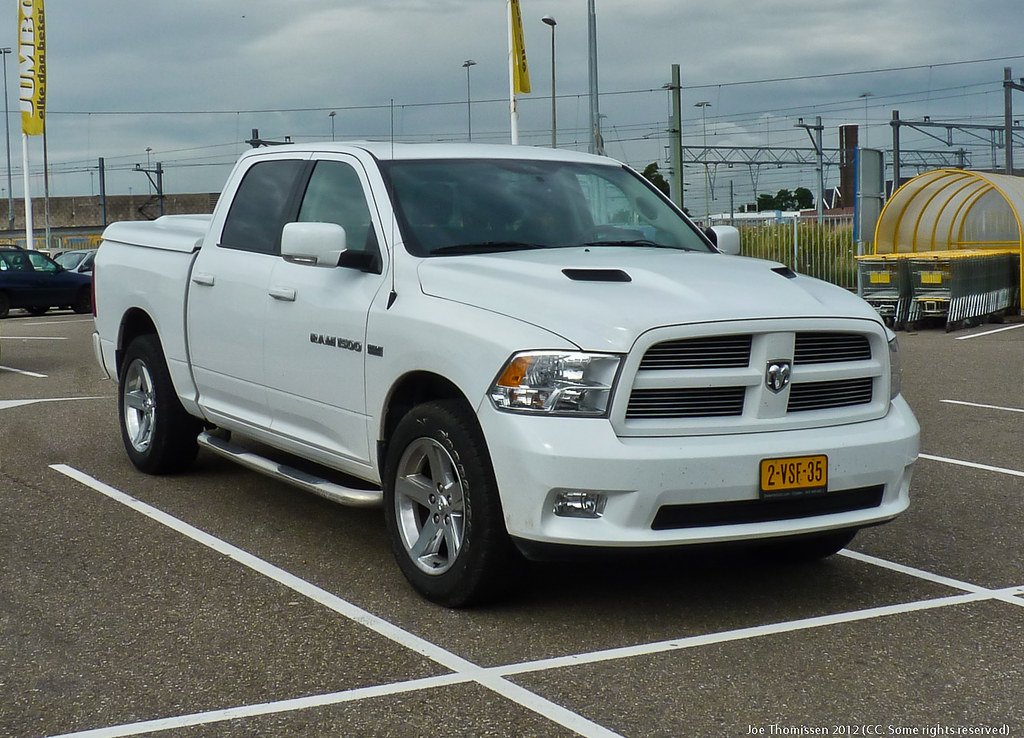
He was the kind of Florida retiree who still liked doing things the old way: cash in hand, handshake at the dealership, and a simple truck that could haul mulch on Saturday and pull a little fishing boat on Sunday. When he found a used RAM 1500 with 38,000 miles and a clean enough interior to pass the “grandkids in the back seat” test, it felt like a safe bet. Low miles, decent paint, no weird smells, and it rumbled like a truck was supposed to rumble.
The first couple days were that familiar honeymoon period where every new-to-you vehicle feels like an upgrade. He drove it to Publix, down to the hardware store, out on the causeway just because it was nice outside. The only thing that nagged at him was a faint vibration at idle—nothing dramatic, just a little unevenness that made the steering wheel buzz like it had a secret. He chalked it up to “truck stuff,” the kind of quirk you stop noticing once the novelty wears off.
Then the gas mileage started making less sense, and the truck began doing this awkward hesitation when he asked for power—like it had to think about it first. Still no check engine light, no angry warnings, nothing that screamed emergency. Which, as it turns out, was part of the problem.
The “It’s Probably Nothing” Phase
He did what a lot of people do when a vehicle feels slightly off but not “tow it immediately” off: he started troubleshooting in the most human way possible. Different gas station, different octane, a bottle of fuel system cleaner because someone once told him that fixes everything. He listened for weird sounds with the radio off, then turned the radio back on when he didn’t like what he was listening for.
When it kept doing it, he booked a routine service visit—oil change, tire rotation, the polite kind of appointment where you expect to leave with a receipt and a coupon for next time. At the service desk, he tried to describe the vibe without sounding like a paranoid new owner. The advisor nodded in that practiced way and said they’d take a look, which can mean anything from “we’ll investigate thoroughly” to “we’ll reset something and see if you stop calling.”
The weird part started right away: the scan tool didn’t show anything meaningful. No stored codes, no pending codes, nothing. The advisor essentially shrugged with their whole body and suggested maybe it was “just how these trucks run,” which is the automotive version of telling someone their headache is “probably stress.”
A Misfire You Could Feel, But Not Prove
He kept driving it because what else do you do when the dashboard is calm and the paperwork says the truck is fine? But the symptoms got less subtle. The idle wasn’t just a little lumpy anymore; it had that unmistakable uneven beat like somebody was occasionally skipping a note in a song you know by heart.
Eventually he took it to an independent mechanic, the kind of shop with a gravel lot and a dog that acts like it owns the place. The mechanic drove it around the block, came back, and didn’t need any fancy equipment to say, “That feels like a misfire.” The retiree finally felt a little vindicated—okay, so he wasn’t imagining it.
Here’s where it got tense: the mechanic said the same thing the dealer’s scanner did—no codes telling them which cylinder or why. Modern trucks are supposed to be snitches. If a cylinder isn’t contributing, the computer usually tattles immediately, lights the dash like a Christmas tree, and stores receipts in the form of diagnostic trouble codes.
The mechanic started checking basics anyway—spark, coils, plugs, the usual suspects. But the truck kept acting like it was short a cylinder while simultaneously insisting, electronically speaking, that everything was fine. That’s the kind of contradiction that makes a good mechanic quiet, because it usually means somebody’s been messing with it.
The Glove Box, the Loose Panel, and the “Wait, What’s That?” Moment
The breakthrough came in a way that felt almost too stupid for how long they’d been chasing it. The mechanic needed to access some wiring and modules behind the dash area, so he dropped the glove box down. It wasn’t a big dramatic teardown—just the normal flex-and-release routine most cars have, where the glove box swings down like a trapdoor.
Behind it, tucked into that messy behind-the-scenes area where manufacturers hide wires and vents, he noticed something that didn’t match the rest. A small connector wasn’t seated where it should’ve been. It wasn’t dangling like it fell out on its own; it was positioned in a way that looked deliberate, like someone had unplugged it and then took a second to make it harder to notice.
He traced it and confirmed what the retiree almost didn’t want to believe: it was tied to the instrument cluster warning circuit. In plain English, it meant the check engine light couldn’t do its job. The truck could be running terribly, the computer could be screaming internally, and the driver would get a nice calm dashboard like everything was totally normal.
They plugged it back in, turned the key, and the dash immediately lit up with the kind of honesty it should’ve had the whole time. The check engine light came on like it had been waiting months to speak. The retiree just stared at it for a second, that sinking feeling of realizing his “good deal” might’ve been carefully staged.
Codes, Cold Reality, and the Seventh Cylinder
With the light finally functional, the scan tool suddenly had a lot to say. Misfire codes showed up right away, including a cylinder-specific one that pointed to a dead contributor. It wasn’t the vague “maybe it’s running rough” nonsense—this was the truck flat-out admitting it had been limping.
The mechanic did a quick test to confirm, because codes are clues, not verdicts. A balance test and some hands-on checking made it obvious: one cylinder simply wasn’t pulling its weight. The RAM was effectively running on seven cylinders, and it had likely been doing it for a while.
That’s when the timeline got ugly. The retiree remembered the dealer telling him the truck had just come in on trade-in, had been inspected, and was “solid.” But if the check engine light was physically disconnected behind the glove box, that wasn’t a random failure. Someone had been in there, removed panels, and made a choice.
And once you accept that, you start re-reading the whole buying experience. The oddly smooth sales pitch. The way they didn’t seem interested in negotiating much, like the price was already calibrated to move it quickly. The fact that nobody ever mentioned any drivability issues, not even in the casual “it might need a tune-up soon” way people sometimes do to cover their tracks.
The Call Back to the Dealer
He called the dealership with that specific kind of calm anger older people get when they know they’re being played. Not yelling, not ranting—just laying out the facts and waiting for someone to explain how a warning light ends up unplugged behind the glove box. The person on the phone started with the standard deflection: they hadn’t done anything, they don’t tamper with safety systems, maybe a previous owner, maybe a “coincidence.”
But the retiree wasn’t talking about a missing floor mat or a scratched bumper. He told them the light was disconnected and the truck was misfiring, and now there were codes proving it. He asked a simple question: if it was inspected, how did nobody notice the check engine light didn’t illuminate during the bulb check when you start the truck?
That’s the part where conversations usually get slippery. The dealer can claim “as-is,” point to the paperwork, offer to “take a look” if he brings it in, and quietly hope the buyer gets tired. The retiree didn’t want another “look.” He wanted accountability, or at least a real offer that didn’t sound like he was being invited back into the same magic trick.
When he pushed, the tone shifted from friendly to procedural. They offered to inspect it in-house, which sounds reasonable until you realize the same place that let it leave with a disconnected warning system is now volunteering to be judge and jury. The retiree asked about unwinding the deal or getting repair costs covered, and the answers got vague fast—callbacks, managers “in a meeting,” promises to review the file.
Meanwhile, his mechanic gave him the practical reality: running on seven cylinders isn’t just annoying, it can damage other components over time. If it’s been misfiring since the trade-in, that’s mileage of extra vibration, unburnt fuel, stress on the catalytic converter, and wear that doesn’t show up on the odometer like a neat little disclosure. The retiree could keep driving and risk compounding the problem, or park the truck and start a fight.
He did what he could: documented everything, took photos of the disconnected connector behind the glove box, saved the scan readouts with timestamps. But the most maddening part was emotional, not technical. He’d bought the truck expecting small used-car compromises—maybe tires sooner than he hoped, maybe a nick here and there—not a vehicle that had effectively been gagged so it couldn’t warn him it was sick.
By the time the dealer finally agreed to “talk options,” the retiree was already in that limbo where you own a truck you don’t trust. The check engine light was on like a tiny red conscience, now doing the job it was supposed to do from day one. And the real tension wasn’t whether the RAM could be fixed—most things can be fixed—it was whether anyone would admit why a 38,000-mile truck was sold with its warning system unplugged, and how hard you have to push before “as-is” stops being a shield and starts looking like a cover.