
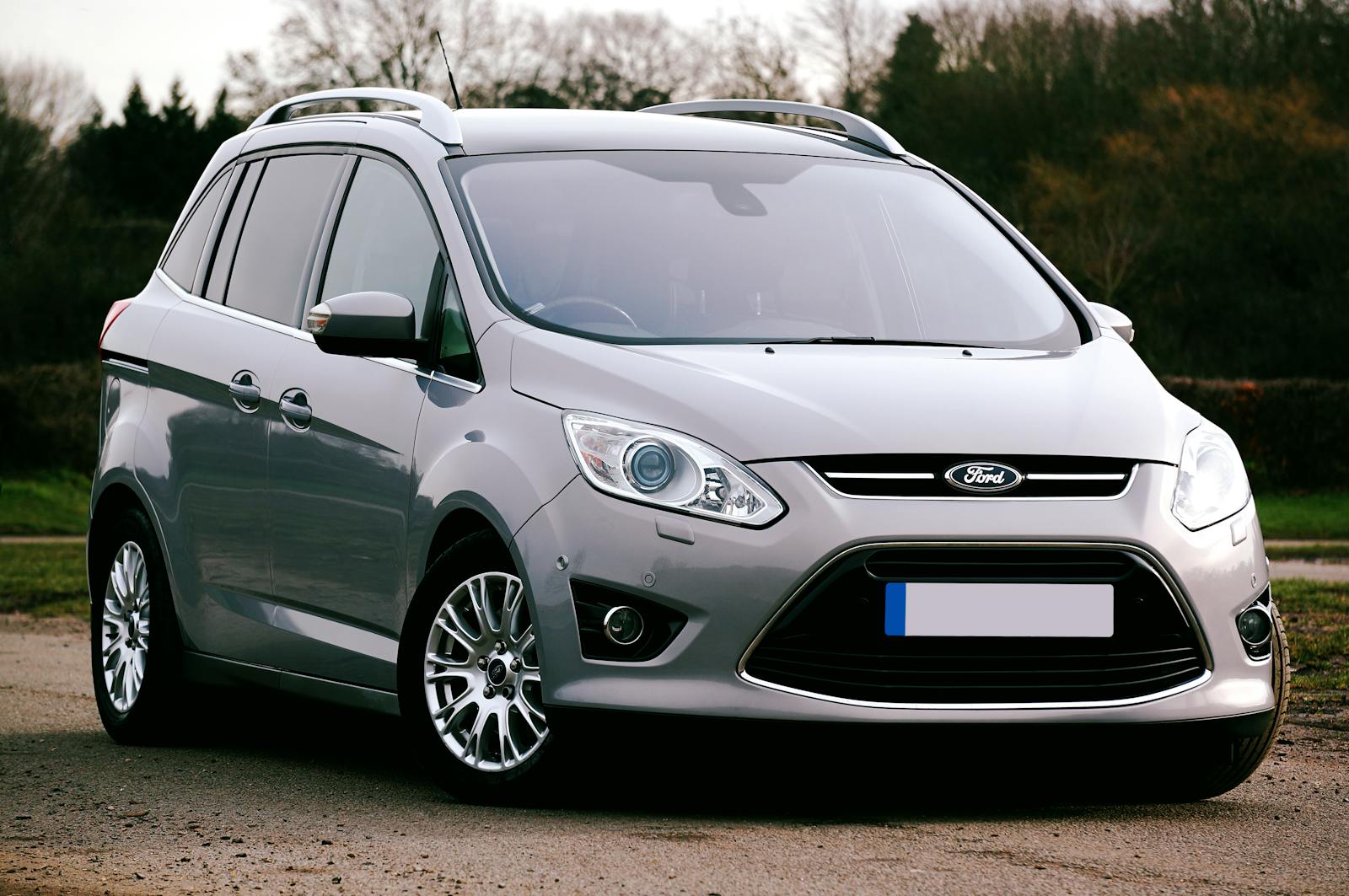

She’d been on the road long enough to forget what “normal” sounded like. The minivan had turned into a rolling pantry and nap station—juice boxes wedged under seats, a hoodie draped over a child’s booster, a phone cord snaking across the console like a tripwire. Somewhere after the last gas stop, the van started making a new noise: a faint whirring that rose and fell with speed, like a cheap desk fan struggling in a hot room.
At first she did what a lot of people do on long drives: she tried to un-hear it. She turned the radio up, then down, then off completely, waiting for the sound to “settle” the way random rattles sometimes do. It didn’t settle. It stayed there for mile after mile, following them through flat stretches and small towns, growing just loud enough that she couldn’t pretend it was the wind anymore.
By the time they’d put 200 miles on that noise, she’d decided it was either nothing or something she could deal with later. The day was already tight—hotel check-in, kids who’d melted down twice, a cooler that needed ice. Then they hit a mountain pass on the route, and “later” got ripped out of her hands in the worst possible way.
The noise she argued herself into ignoring
The whir started as background, but it had a pattern. It got louder when she merged, quieter when she eased off, and it seemed to come from the back right, which is a terrible place for a sound to live because you can’t see it and you can’t reach it without stopping. Every so often, she’d feel a tiny vibration through the floor—nothing dramatic, just enough to make her shift her foot and think, Is that new?
She did the mental checklist everyone does when they don’t want a problem: maybe it’s the tires, maybe the road surface, maybe a piece of plastic in the wheel well. She pulled into one parking lot and walked around the van with that half-embarrassed, half-defiant posture of someone hoping strangers won’t notice they’re listening to their own car. Tires looked fine. Nothing was hanging off. She opened the rear hatch, stared at the cargo like it could confess, then got back in.
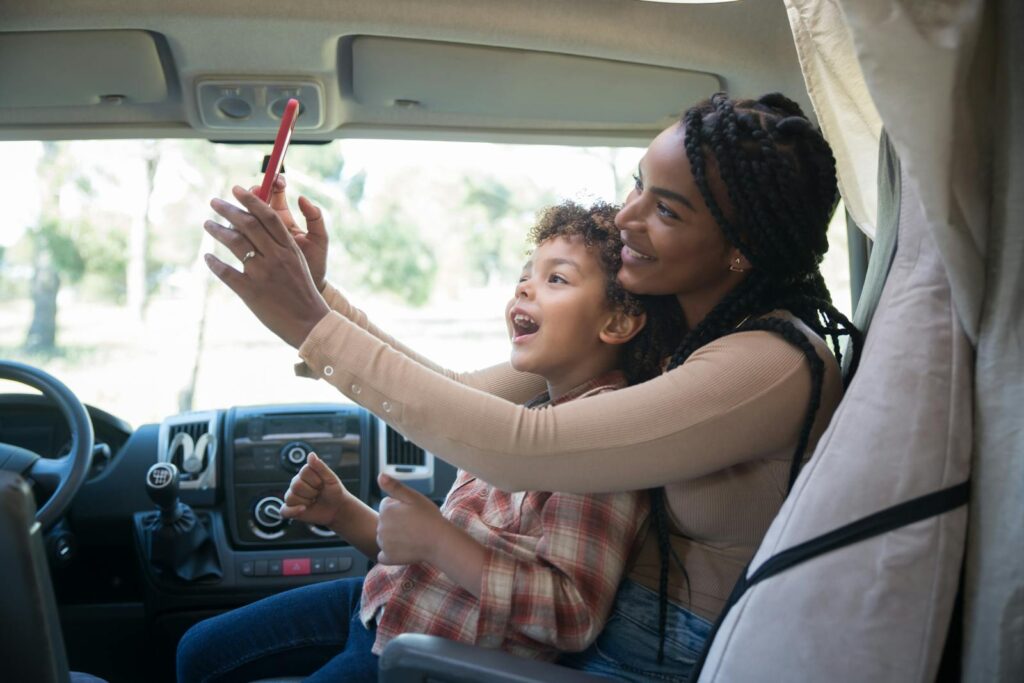
The kids didn’t help. One wanted a snack, another wanted the tablet, and the youngest was doing that thing where they ask “are we there yet” as if the words themselves can physically shorten distance. Her brain was already running a background program of schedules and bathroom breaks, and the whirring sound had to fight for attention. It never fully won until the road started climbing.
“We’ll stop after the pass”
Mountain roads have a way of making you feel like you’re in a video game: steep grades, tight corners, trucks creeping in the slow lane with hazards blinking like a warning label. She’d driven passes before, but not with a van that felt slightly… off. As they started the climb, the whirring sharpened into something more textured, less like air and more like metal-on-metal trying to be polite about it.
She mentioned it to the adult riding shotgun—someone who’d already spent hours being “the calm one” on a family road trip. He listened for a minute with his head tilted, then said something that sounded reasonable and turned out to be the exact wrong kind of reasonable: “Probably a wheel bearing. It’s not ideal, but we’re almost over the pass. Let’s just get to the other side and find a shop.”
That sentence—just get to the other side—became the plan by default. The problem with default plans is they assume the vehicle agrees with you. The minivan did not.
On the descent, gravity joined the conversation. She touched the brakes lightly, then more often, then held them a second too long because the grade was steeper than it looked. The whir became a grind. The grind became a pulse, like the rear of the van was tapping a finger in annoyance. She started gripping the steering wheel with both hands, and her eyes did that scanning thing where they’re looking at the road but also at every pullout, every shoulder, every sign that might say “service” or “chain-up area” or literally anything that meant a place to stop.
The moment the hub decided it was done
It didn’t happen with a cinematic explosion. It happened with a sudden change in feeling that made her stomach drop before her brain fully translated it. The back end lurched slightly, like they’d hit a pothole, except the road was smooth. Then there was a sound—more of a clunk than a bang—and the van started to pull weirdly, as if the rear right corner had turned into a shopping cart wheel that didn’t want to track straight.
She instinctively braked, then immediately had to rethink that instinct because the van reacted like braking was now a suggestion, not a command. The steering got floaty and heavy at the same time. The kids felt it before they understood it; the chatter stopped, replaced by that particular silence where everyone is waiting for the adult voice to tell them what’s happening.
She got it over to the shoulder in a way that was more controlled panic than calm competence. Hazards on, heart pounding, she sat there for half a second with her hands still locked at ten and two. Then she looked in the side mirror and saw something that didn’t belong: the rear wheel was not where it should be, and the whole right rear corner of the van looked like it was squatting.
When they got out—carefully, on the side away from traffic—the sight was worse than the mental picture. The right rear hub assembly had failed so badly the wheel was no longer properly attached the way a wheel is supposed to be attached when you’re using it to descend a mountain. It wasn’t cleanly “off,” like it had rolled away in a dramatic arc, but it had effectively come apart. Grease, metal dust, and that scorched smell of overheated parts hung around the wheel well like a confession.
Stranded on a grade with kids, heat, and a very real argument
There’s a particular kind of stress that hits when you’re stuck on the shoulder of a mountain road. The vehicles going by don’t just pass; they roar past, shaking the van, pushing hot air and grit at you. She tried to herd the kids to the safe side, tried to make it sound like an “adventure,” and tried not to let her voice crack when she realized how close they’d come to losing that wheel at a faster curve.
That’s when the blame started to bubble up, because blame is what people reach for when they don’t want to feel fear. The adult in the passenger seat went quiet in the way that reads like irritation, then started talking logistics: call roadside assistance, find signal, get triangles out. She snapped back with something like, “I told you it sounded bad,” and he shot her a look that said, “You also kept driving,” even if he didn’t say it out loud at first.
Once roadside assistance was involved, the reality got even messier. The van wasn’t just “making noise” anymore; it was disabled in a spot that tow drivers don’t love, with limited shoulder and a steep grade. The first estimate of how long help would take was long enough that she started doing that math parents do: water left, snacks left, sun exposure, bathroom situation. The kids, sensing the tension, started orbiting her with questions and complaints, and she had to answer them while also arguing quietly about whether they should’ve stopped 150 miles ago.
When the tow finally arrived, the driver took one look and did that slow exhale people do when they’re trying to keep their opinions inside their face. He didn’t need to lecture; the parts were basically lecturing on his behalf. The bearing had been dying for a while, and the trip had asked it to perform a full marathon while bleeding out.
What the breakdown actually cost them
The immediate cost wasn’t just money, though the money part was ugly. A rear hub failure that turns into a seized bearing on a descent isn’t the kind of repair you do in a friendly little shop in an hour. It’s parts availability, it’s labor, it’s possibly collateral damage—rotor, caliper, axle components, sensors—depending on how far it went before she got it stopped.
The cost was also momentum. Their carefully timed cross-country day got shredded into phone calls, a forced overnight in whatever town was nearest, and the quiet humiliation of unloading luggage in a parking lot while the van sat crippled like an animal with a broken leg. She had to explain it to family members they were supposed to meet, to a hotel desk clerk, to her kids, and eventually to herself when the adrenaline wore off and the “what if” thoughts started lining up.
And then there was the private cost between the two adults, the part that doesn’t show up on receipts. He couldn’t stop replaying the moment the van lurched, the way it might’ve gone if it happened ten minutes earlier on a sharper turn. She couldn’t stop replaying the 200 miles of whirring, every time she’d turned the music up and told herself she was being paranoid.
After the tow and the first round of repair-shop conversations, they fell into that brittle kind of quiet where nobody wants to say the thing they’re thinking because it’ll turn into a fight they can’t afford on top of everything else. The van was fixable, the trip was technically salvageable, and the kids were already bouncing back because kids do. But the lingering tension wasn’t about a busted bearing anymore—it was about how close they came to disaster, and how easy it was for both of them to choose “keep going” for just a little too long.
More from Steel Horse Rides: