


He wasn’t even late. That was the thing that made it feel so stupid afterward—how normal the morning was. A mid-size SUV, a couple of folding chairs in the back, a cooler that still had last night’s ice rattling around, and a kid in a soccer jersey half-asleep in the passenger seat while the parent did the usual mental checklist: cleats, water bottle, shin guards, snacks.
The drive to the fields was the same route he’d taken a hundred times, through a stretch of two-lane road that always had someone doing ten under and someone else tailgating like they were trying to draft in NASCAR. He rolled along with the flow, hands light on the wheel, already thinking about where he’d park and whether the coffee in the cupholder was still drinkable. Then he came up on a line of brake lights near an intersection, and his foot went down—soft, like he’d stepped on a sponge.
At first it didn’t compute. His brain did that delayed little stutter: That’s not what brakes feel like. He pressed harder, and the pedal sank farther than it should’ve, almost to the floor, the SUV still carrying speed like it hadn’t gotten the memo. The kid looked up, suddenly awake, because nothing wakes a child up faster than the sound a parent makes when they’re trying not to swear.
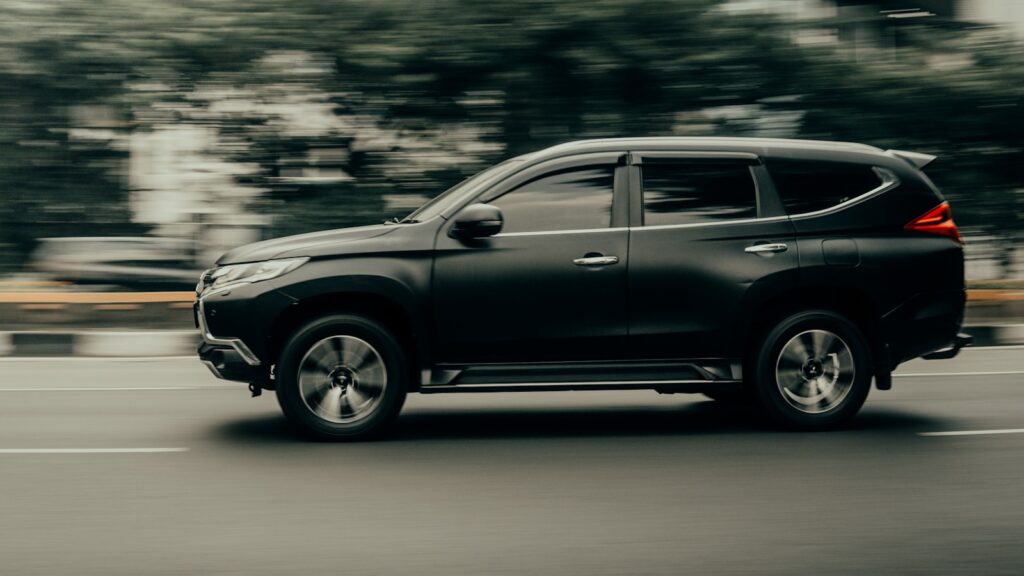
The pedal wasn’t “weird,” it was gone
He pumped the brake, fast and hard, the way people do when they’re trying to negotiate with physics. The pedal didn’t firm up; it just kept traveling, and the stopping power felt like it had been cut in half, then half again. He yanked the wheel slightly right to create space, watching the car in front grow larger through the windshield in a way that makes your stomach drop.
Hazards on, downshift, a quick glance at the shoulder. He managed to coax the SUV onto the edge of the road, the tires crunching grit, the whole vehicle shuddering to a stop more from luck and engine drag than anything the brakes did. When he tried the pedal again, it just sank and stayed down like it was tired.
He sat there for a beat with both hands on the wheel, breathing through his nose, that quiet post-adrenaline silence where you’re trying to decide if you’re angry or scared. The kid asked if they were still going to the game, in that hopeful voice kids use when they don’t realize something just almost went very wrong. He told them, not unkindly, that they were waiting a minute.
The wet streak under the SUV
He got out and did what everyone does: walked a slow circle like he could diagnose it with body language. The first clue was a dark, shiny trail under the driver’s side, not oil-thick but watery, spreading across the road grit. He touched it with a finger and smelled it—brake fluid has that unmistakable sharp, chemical tang that’s hard to forget once you’ve met it.
He popped the hood and checked the brake fluid reservoir, expecting it to be low. It was basically empty. That’s when the annoyance started to curdle into something heavier, because brake fluid doesn’t just vanish; it leaves in a hurry when there’s a real leak.
He called for a tow, the kind of call where you try to sound casual and fail. While they waited, he called another parent to cover the kid, because the kid was still in their jersey, still clutching a granola bar like this was just a weird detour. That handoff in the parking lot—kid hopping into someone else’s car, asking one more time if everything was okay—felt awkward in the way only parent logistics can be when the adult is trying to keep their voice steady.
The mechanic didn’t even need to “look around”
The tow dropped the SUV at a local shop, and the owner of the place did that seasoned mechanic thing where he listens to your description while already knowing what he’s going to find. The SUV went up on the lift, and within minutes he was calling him into the bay. Not with drama, just with that blunt, tired tone that suggests he’s seen this movie too many times.
The brake line had rusted through. Not a little surface rust, not “keep an eye on it,” but a full-on failure—metal eaten until it couldn’t hold pressure, and then it let go. The mechanic pointed to where it happened: tucked in a spot where the frame cradle and brackets basically make a little pocket, a perfect trap for road salt and wet grit.
He scraped at the area with a screwdriver and chunks of flaky rust fell like burnt pastry. The mechanic said the line ran through a section that looks protected, but it’s the worst kind of protection—the kind that hides moisture, stays dirty, and gives corrosion a quiet place to work. He didn’t say it was the owner’s fault, but he also didn’t say it was a freak accident, and that distinction mattered.
The estimate wasn’t catastrophic, but it wasn’t nothing either: new lines, bleeding the system, extra labor because everything near the failure point fought back like it had been welded together by rust. The bigger issue was that it happened at all, and that it happened without warning beyond maybe the occasional squeak he’d ignored or the way the undercarriage looked after winter.
“You’re the third one this month”
While the mechanic typed things up, he said something that landed harder than the dollar figure. He mentioned the model—mid-size SUV, common on the road, popular with families—and said he’d done this exact repair multiple times. Same failure spot. Same story from the owners: pedal suddenly soft, fluid gone, tow truck, a shaken person standing in his bay trying to turn fear into questions.
He didn’t name names like he was trying to start a crusade; he said it like someone talking about a leaky roof design everyone in town already knows about. “It’s where the cradle traps salt,” he said, as if that explained everything, because in his world it did. He added that if the car lived in an area with winter road treatment, it was almost a matter of when, not if, unless people washed the underbody constantly or got ahead of it with preventative replacement.
That’s when the owner started doing what people do now: searching while standing in a garage that smells like old rubber and coffee. He scrolled through forums and service bulletins and found thread after thread describing the same failure, some of them with photos eerily similar to what he’d just seen under his own SUV. There were plenty of people saying, “Happened to me,” and plenty of people saying, “Inspect your lines,” and the occasional person mentioning near-misses that sounded way worse than his.
And then there was the part that made him feel like he was being played: the chatter about it being a known issue, but not a recall. Not a “bring it in and we’ll fix it,” not an official campaign, just a lot of individual owners paying for the same repair and calling it “rust” like it’s weather, like nobody could’ve predicted salt meets metal in a hidden pocket.
The manufacturer’s answers were technically fine and emotionally useless
He called the manufacturer’s customer line with the kind of restrained tone people use when they’re trying not to sound like they’re accusing anyone of something. He explained what happened, the sudden brake loss, the rust-through point, the mechanic’s comment about seeing it often. The person on the phone was polite in that scripted way, asking for VIN, mileage, service history, and whether the SUV had been in an accident.
Then came the familiar corporate shrug disguised as an explanation. Brakes are a wear item. Corrosion depends on environment. Vehicles are subject to road conditions. He could have the repair documented at a dealership for “evaluation,” and they might offer “assistance” depending on factors that were not explained clearly enough to feel real.
He asked the obvious question—if this spot traps salt by design, and if it’s showing up repeatedly in the same place, why isn’t it addressed like a safety issue? The answer didn’t come as a direct no; it came as a series of gentle deflections. They couldn’t speak to forums. They had no record of a recall related to his vehicle. They recommended routine inspections, especially in regions with heavy salt use.
He hung up feeling like he’d just argued with a wall that knew how to apologize without admitting anything. It wasn’t even the money that bothered him most; it was the way the risk got framed as personal maintenance, as if a parent should reasonably expect a hidden brake line to dissolve in secret until the pedal turns to mush on a Saturday morning.
When he went back to the shop, the mechanic had the old line on the bench, a jagged hole chewed through it like something had taken a bite. The owner stared at it longer than he needed to, because it’s hard not to. A brake line is such a small part, such an unglamorous piece of metal, and yet it decides whether you stop at the light or slide into the person in front of you.
He drove a rental to pick up his kid after the game, listening to a replay of the morning in his head, picturing how different it would’ve been if the pedal went soft on the downhill near the fields, or on the highway, or with rain on the road. The SUV would get fixed, and it would probably be fine for a while, and that was the maddening part. The only thing that felt unresolved—heavy and sharp at the same time—was knowing the failure wasn’t mysterious, and knowing the people who could force it to be addressed were choosing, for now, to treat it like weather.
More from Steel Horse Rides: