

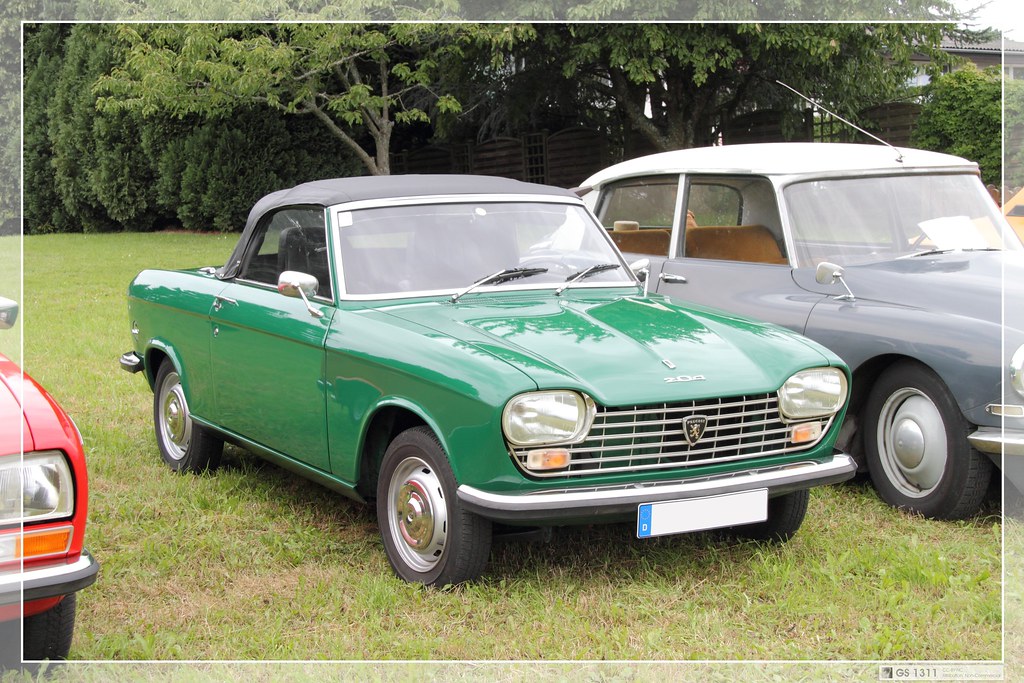
They’d been talking about pulling the transmission for weeks, the way people talk about a chore that’s half necessary maintenance and half ritual. The 1970 project coupe sat in the garage like a stubborn animal: pretty from ten feet away, unpredictable up close, and always daring them to touch the wrong thing. Father and son finally cleared a Saturday, rolled the jack under the crossmember, and promised each other this would be a “quick in-and-out” job.
The son was the one with the phone in his pocket and the habit of looking up torque specs mid-job. The dad was the one who could eyeball a worn bushing and tell you what year it started complaining. They weren’t strangers to broken bolts or missing brackets, but they were in a decent mood—until they got under the tail end of the transmission and saw hardware that didn’t match the rest of the car. A couple studs looked too new, too shiny, and the nuts on them had that gritty, dragged-on feel when the wrench first touched them.
At first it seemed like normal project-car nonsense: the previous owner, or the guy before that, had done something “creative” to keep it moving. The plan was straightforward—support the trans, drop the crossmember, unhook the linkage, slide it back, and deal with the clutch and leaks they’d been ignoring. They just didn’t know the real drama was hiding in the tailshaft housing, waiting for the exact moment they’d trust it.
The “easy” part that wasn’t
Getting to the transmission was the usual mix of small victories and mild irritation. They marked the driveshaft, pulled the U-joints, and set the shaft aside like it was fragile, even though it had probably survived decades of questionable driving. The son bagged bolts in sandwich bags and wrote on them with a Sharpie; the dad teased him for being organized, then immediately asked where he put the crossmember bolts.
Once the crossmember was loose, the transmission settled onto the jack with a slow, reluctant shift, like it didn’t want to admit it needed support. That’s when the studs at the tail end started to draw attention. The nuts didn’t come off clean; they squealed and popped like they were tearing little bits of thread on the way out. The dad paused, stared at the stud shoulders, and said something along the lines of, “That doesn’t feel right,” which in a garage is basically an alarm siren.
The son tried to keep things moving, because momentum is the only thing that makes project cars feel manageable. He worked the nuts back and forth, a quarter-turn at a time, spraying penetrant, trying not to snap anything. They got the nuts off, but the studs themselves looked wrong—slightly cocked, not seated like factory pieces. The dad ran a finger around the aluminum tailshaft housing and frowned at a hairline mark that could’ve been grime… or could’ve been something else.
The moment the housing let go
They were careful with the actual pull, or at least as careful as anyone can be while lying on cold concrete with a transmission on a jack. The son steadied the tail end while the dad guided the bellhousing away from the engine. Everything was going fine in that slow-motion way where you’re waiting for the input shaft to clear and your arms start to shake from holding an awkward angle.
Then it happened: a sharp, dry crack, like snapping a thick plastic clip. The sound didn’t match the gentle pressure they were applying, and both of them froze mid-breath. The son’s first reaction was to look at the jack, like maybe it had slipped, but the jack was steady. The dad’s eyes went straight to the tailshaft housing, and his face did that tight, controlled thing people do when they’re trying not to swear in front of their kid—even when their kid is fully grown.
A thin fracture line had opened up along the aluminum, right near where those studs lived. It wasn’t a catastrophic chunk falling off, but it was unmistakable: a crack that hadn’t been visible until the housing was stressed in just the wrong way. The transmission was still supported, still mostly in place, but the damage was already done. The son whispered, “You’ve got to be kidding me,” like saying it quietly might reverse it.
The dad didn’t explode. He got quiet, which somehow made it worse. He backed the transmission down a fraction, eased the angle, and told the son to grab a light and a mirror. They weren’t arguing; they were doing that intense, synchronized troubleshooting where both people are trying to outrun the dread.
Chasing the crack back to the studs
Once the transmission was on the ground, the crack looked uglier, the kind of ugly that grows when you actually see it instead of hoping it’s a smudge. The tailshaft housing had a split that traced right from one stud boss toward the edge, like it had been a stress riser waiting for the right nudge. The son kept saying, “We didn’t even pry on it,” because that’s what you say when you’re trying to prove you didn’t cause the thing you’re staring at.
The dad did what dads do in garages: he started recreating the crime. He spun one of the studs with his fingers and it didn’t feel solid, more like it was chewing. When he backed it out, aluminum flakes came with it, and the threads in the housing looked like they’d been attacked with a dull screw. That’s when the theory clicked into place—the last rebuilder, whoever had been in there, had cross-threaded the studs into the aluminum and forced them home anyway.
It wasn’t subtle damage, either. The stud holes were egged out just enough that the studs had gone in at a slight angle, which meant the nuts could still tighten, but they were loading the housing in a way it was never meant to handle. Every vibration, every heat cycle, every time someone mashed the throttle in that coupe, the housing had been taking that weird tension. The crack didn’t start on their watch; it just finally showed itself when they asked the transmission to come apart like it was built correctly.
The son stared at the studs lined up on the workbench and said, “So someone basically used the housing as a thread-cutting experiment.” The dad just nodded, because there wasn’t much to add. You could almost see him mentally scrolling through the list of people who might’ve touched it: the previous owner, the shop with the “fresh rebuild,” the guy who “knows transmissions,” the buddy who “helped for free.” None of them were standing in the garage now.
The uncomfortable math: fix it, replace it, or eat it
The worst part wasn’t the crack itself—it was the immediate calculation of what the crack meant for the whole project. A tailshaft housing isn’t a fun thing to replace if the rest of the transmission is otherwise decent, but it’s not something you ignore, either. They sat on overturned buckets and looked at it the way people look at a medical bill: trying to figure out which option hurts the least.
The son started searching part numbers and forums, reading aloud options like he was calling bingo. Some people swore a good welder could save it; others insisted welding cast aluminum housings was a gamble unless you knew exactly what alloy you were dealing with and had someone who’d done it before. The dad wasn’t against welding, but he kept coming back to one point: “If that housing fails on the road, you’re not just walking home. You’re sweeping parts off the pavement.”
Then came the part that made their voices sharpen a little: who was responsible. The transmission had supposedly been “rebuilt” not that long ago, sold with that word used the way people use “mint” in online listings—confident, vague, and impossible to verify. The son wanted to track down the rebuilder and at least confront them, even if it was just to hear the excuses. The dad had the weary instinct that it would turn into a defensive argument, and that even if they got an apology, it wouldn’t un-crack aluminum.
They did what most people do when anger meets uncertainty: they kept tearing down the evidence. They inspected the other threaded holes, checked the mating surfaces, looked for more shortcuts. Every little questionable mark suddenly felt suspicious, like discovering one cockroach makes you wonder where the rest are hiding. The son kept flicking his eyes toward the coupe, like it had betrayed them personally, while the dad kept looking at the housing like he was trying to will it back into one piece.
The garage gets quiet, and the trust gets thinner
By late afternoon, the tools were scattered in that exhausted way that means the job is paused, not finished. The transmission sat like a defeated metal animal on a sheet of cardboard, tailshaft housing cracked and exposed. The dad cleaned his hands with the same rag over and over, not because it was working, but because it gave him something to do besides think about the delay and the cost.
The son was the one who said the thing that landed hardest: “We were careful. This wasn’t us.” It wasn’t just about blame; it was about the feeling that even when you do things right, you still inherit someone else’s mess. The dad agreed, but he also had that older-person restraint, the awareness that projects like this are basically long negotiations with other people’s past decisions.
They didn’t end the day with a triumphant “we’ll have it back together by next weekend.” They ended with the tailshaft housing on the bench, cracked where the cross-threaded studs had been forced in, and a list of phone calls to make on Monday. The unresolved tension wasn’t just about parts availability or repair options—it was the new, creeping doubt about what else that “last rebuilder” had muscled together, and how many more hidden failures were waiting for the next time they tried to do something simple.