
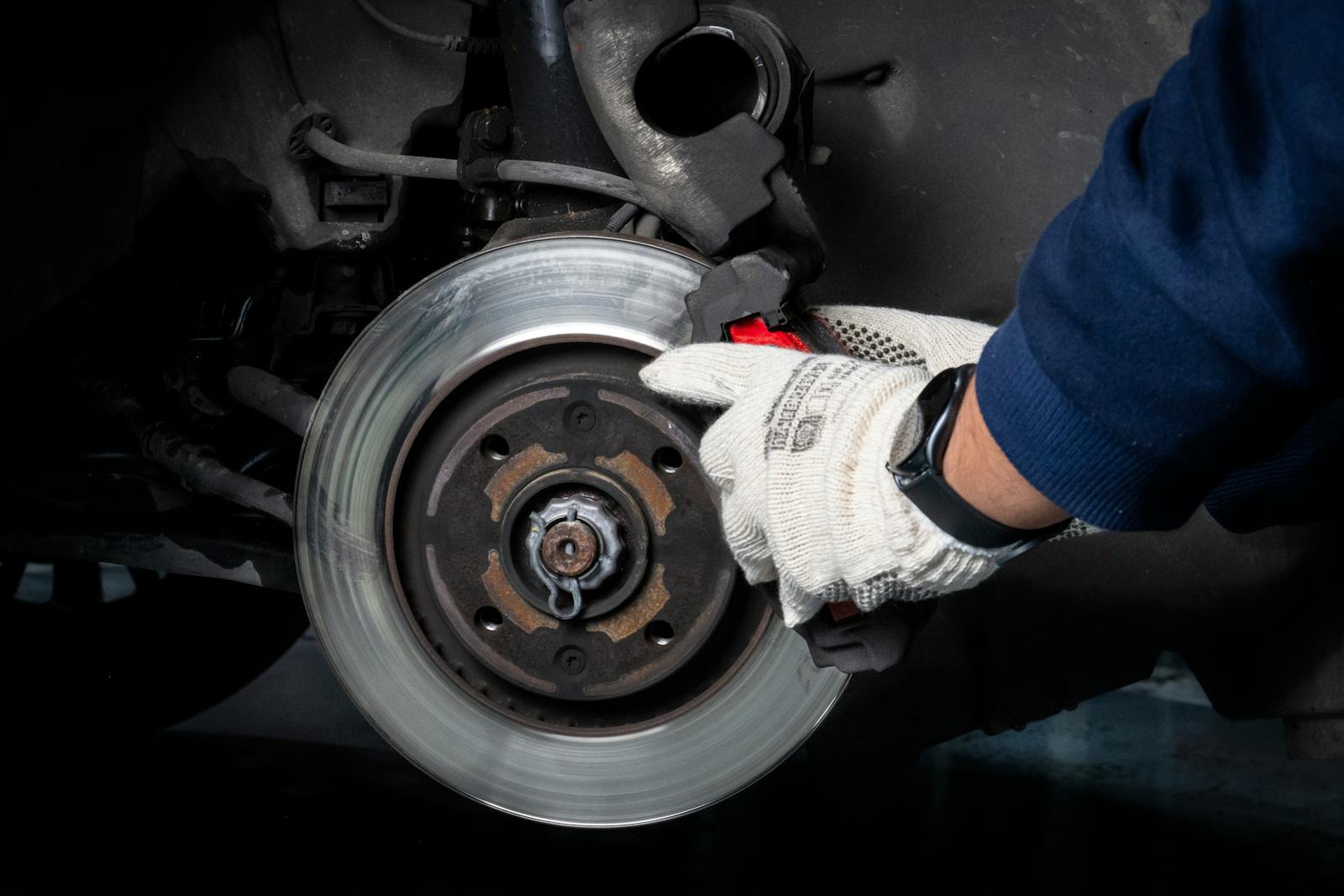

The pickup came in on a slow afternoon, the kind where the radio’s louder than the shop and everyone starts “finding” little services to keep the bays moving. It was an older half-ton, nothing fancy, and the customer’s only complaint was a little groan at full lock and that faint shudder you get when the power steering fluid’s been cooked for a few summers too many.
The lead tech figured it was a perfect apprentice job: basic power steering flush, new fluid, cycle the wheel, burp the system, send it. The apprentice was young, eager, and already wearing that slightly defensive look people get when they’re trying hard not to mess up. The tech did the usual: pointed at the reservoir, walked through the process, and told him where the fluid lived.
That last part is where it started getting messy, because “where the fluid lived” wasn’t a shelf with clearly labeled bottles. It was the back corner by the bulk stuff, with a collection of half-used jugs that looked like they’d survived three shop reorganizations and a flood.
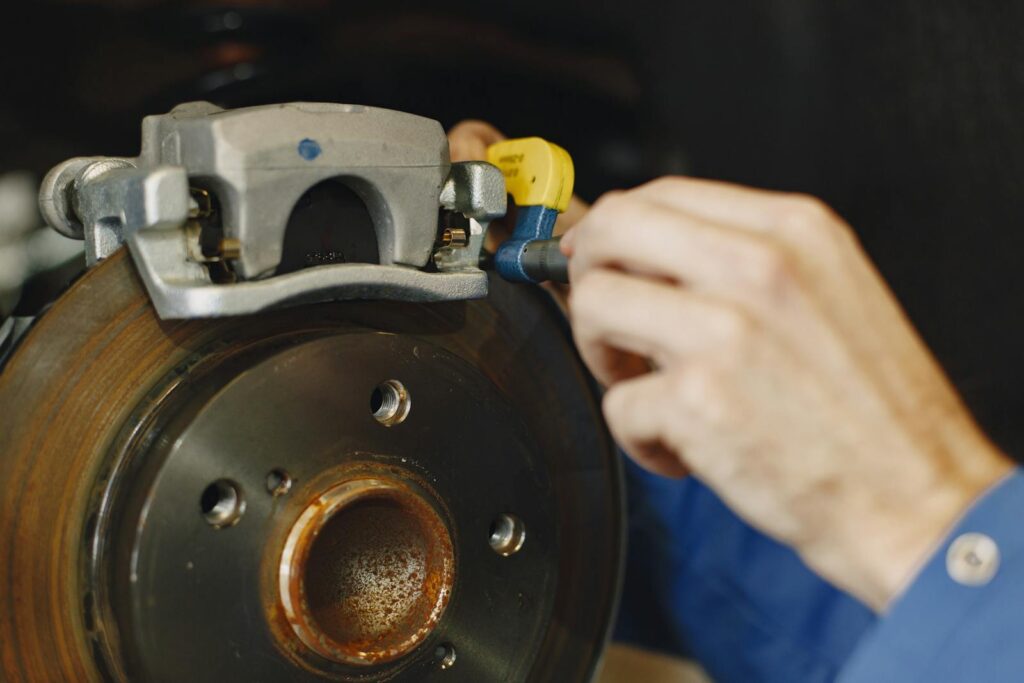
The Jug Nobody Wanted to Talk About
The apprentice grabbed a plastic jug that looked right: same general shape as the other fluids, same greasy fingerprints on the handle, same faded Sharpie ghosting where a label used to be. It was one of those containers that ends up in a shop because someone once needed a clean jug and now it’s “shop property.” No cap seal, no printed branding, no color-coded tag, just a slosh inside and a smell you’d only notice if you already knew what you were smelling.
He didn’t ask, which is the kind of detail everyone fixates on later. In the moment, he was trying to show he could handle a straightforward job without needing hand-holding. He poured it into the catch bottle, ran the lines, cycled the wheel, and watched the old fluid darken and thin out the way it usually does when you’re pushing out tired power steering fluid.
The lead tech wandered by once, glanced at the setup, and nodded like it was all going to plan. The apprentice took that nod as confirmation, because that’s what apprentices do: they take any non-verbal signal from someone experienced and treat it like a signed affidavit. When the flush finished, the reservoir got topped off, the truck got backed out, and the steering felt… actually pretty good.
“Why Does It Smell Like That?”
The first little crack in the story wasn’t a leak; it was the smell. A porter hopped in to move the truck and said something like, “That smells like brakes,” in the casual way people say things in shops, half-joking, half-not. The apprentice shrugged it off because power steering fluid can smell funky, and everything in a shop smells like everything else if you stand there long enough.
But the lead tech did that thing where his face changes before he says anything. He walked over to the waste container, sniffed, and didn’t look amused. Then he walked to the corner where the apprentice had grabbed the jug and picked it up like it was evidence.
Up close, the jug wasn’t just unlabeled; it was suspiciously clean inside for something that supposedly held power steering fluid. The liquid had that slightly different sheen, too slick in a way that wasn’t quite right. The lead tech cracked the cap, took a cautious whiff, and his shoulders dropped the way they do when you realize the problem is about to become everyone’s problem.
It was brake fluid. The kind of thing that doesn’t just “not work” in a power steering system, but can start a chemical argument with seals that were never meant to see it.
The Quiet Panic and the Loud Blame
For about ten minutes, the shop went into that quiet, focused mode where nobody jokes and nobody makes eye contact. The lead tech had the apprentice drain what he could, pull the return line, and flush the whole system again with the correct fluid. It turned into a messy, expensive-looking job with rags everywhere and that tense silence punctuated by the hiss of air tools from other bays.
The apprentice kept saying he thought it was the right jug, that it was in the fluid area, that nobody told him it was brake fluid. The lead tech didn’t yell exactly, but his voice got very controlled, like every word had to pass a filter. He kept circling back to one question: why would you use something unlabeled?
That’s when the other dynamic surfaced—the thing that makes shop stories turn personal fast. The apprentice felt set up: a corner full of random containers, no labels, no clear process, and a culture that rewards “just do it” until “just do it” blows up. The lead tech felt undermined: he’d handed off an easy job and now he was staring at a potential comeback that would land on his name, not the apprentice’s.
Somewhere between those two feelings was the shop manager, who didn’t want to hear any of it and definitely didn’t want to call the customer. He asked what it would take to “make it right,” the way managers do when they’re translating mechanical failure into dollars and reputation.
The Next Morning, the Rack Told the Truth
The truck left that day steering smoothly, no obvious noise, no foam in the reservoir, no immediate drama. The lead tech reluctantly signed off on it after the second flush, because there’s only so much you can do once a chemical has been introduced and you’ve already done the best cleanup you can without tearing the whole system apart. They all went home with that uneasy feeling that maybe they’d dodged it.
They hadn’t. The next morning the customer pulled back in, not angry yet, but confused in that specific way people get when their vehicle behaves like it’s bleeding out. There was a fresh wet trail under the front end, and when they got it on the lift, the rack boots were shiny with fluid that hadn’t been there yesterday.
The lead tech didn’t even need dye. The rack seals were weeping like something had softened overnight, and the fluid had that telltale look that makes you feel sick because you know it’s not a loose clamp or a simple O-ring. It was the rack itself starting to fail, the kind of failure that doesn’t reverse because you put the right fluid back in after the wrong one already did its damage.
That’s when the apprentice went pale. Not the cartoonish pale of someone faking regret, but the real one where the blood drains out and their hands go cold because they can see the price tag in their head.
The Customer Call Nobody Wanted to Make
The shop manager took the call in the office with the door half-closed, which is shop code for “everyone’s going to hear enough to know how bad it is.” The customer wasn’t some random walk-in; it was a regular, someone who brought the pickup in for oil changes and brakes and trusted the place. The manager started with the safe stuff—apologies, “we’re taking care of it,” “we want to make it right”—without saying the part that would make the customer’s eyebrows jump.
Out on the floor, the lead tech and apprentice stood by the lift staring at the rack like it had personally betrayed them. The lead tech was doing mental math: rack replacement time, alignment, fluid, potential pump damage, whether the hoses would start sweating next. The apprentice kept offering to stay late, to pull it, to do whatever, which sounded sincere but also couldn’t change the fact that the mistake had already happened.
And then the argument moved from “what happened” to “how could this happen here.” Someone brought up the unlabeled jug like it was a loaded gun left on a table. Another tech muttered that brake fluid shouldn’t even be in a random container in the first place, because it’s hygroscopic and sensitive and shops aren’t supposed to treat it like mystery juice.
The manager didn’t want to hear policy; he wanted a number. The lead tech didn’t want to throw the apprentice under the bus, but he also didn’t want the shop to quietly imply it was his fault. The apprentice didn’t want to be branded as the kid who melted a rack on a simple flush, because reputations in shops stick to you like gear oil.
By the end of the day, they were committed: new rack, alignment, probably a pump if it made noise, and a promise to the customer that it would be handled without excuses. The jug got tossed, but not before it sat on the bench for a while like a warning no one wanted to admit they needed.
The unresolved part wasn’t whether the truck would get fixed—it would. It was the atmosphere that lingered after: the lead tech’s tight politeness with the apprentice, the apprentice’s new habit of double-checking everything like he was afraid of his own hands, and the shop’s unspoken understanding that the real failure wasn’t just grabbing the wrong fluid. It was a place where an unlabeled jug could sit in a corner long enough to become normal, right up until it ate a steering rack overnight.