
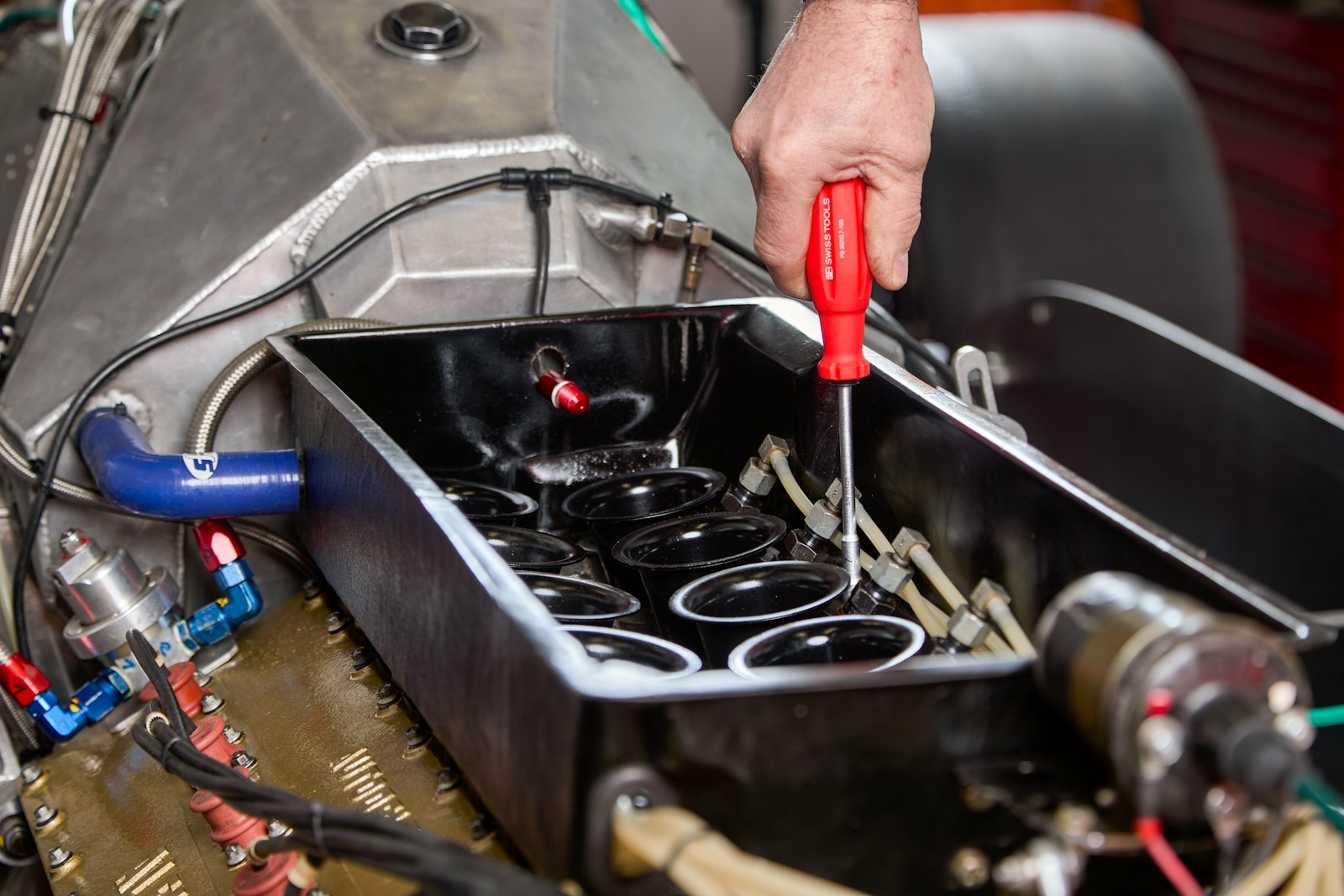

It started the way a lot of diesel horror stories start: a heavy-duty pickup that had been running “fine-ish” for years suddenly deciding it didn’t want to cold-start anymore. The owner wasn’t trying to build a race truck or chase some internet clout, he just wanted his work rig to fire up without a ten-minute glow cycle and a cloud of white smoke that made the neighbors stare.
So he did what most people do when they don’t have time to play driveway mechanic roulette—he booked it into a local diesel shop with a decent reputation and a packed lot. Glow plug change, maybe a relay, get him back on the road. Simple, boring, one of those jobs nobody tells stories about… until the shop called him mid-day with that careful, too-friendly voice.
They told him one of the glow plugs “snapped.” Not stripped, not stubborn, not “a little tight.” Snapped off in the head. And before he even had time to process what that meant, they followed it with, “But don’t worry, we got it.”
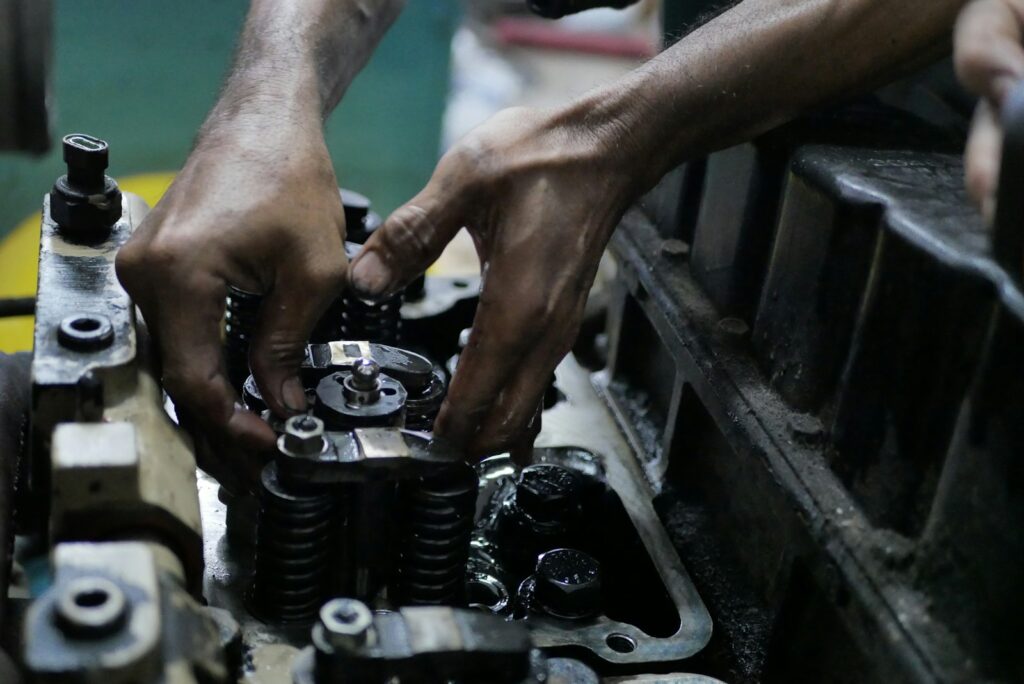
The phone call that didn’t feel like good news
When the owner got to the shop, the truck was parked out front like nothing happened. The service writer had that practiced calm—hands folded, voice low, trying to sound like this was routine. He explained that an old glow plug can seize in the head, and sometimes the body twists off when you go to remove it.
That’s when the owner asked the obvious question: what did they do next? The writer said they “welded it back” and backed it out. The owner blinked, thinking he misheard, like maybe they meant they welded a nut to it, the common trick when a stud breaks. The writer clarified: they used a MIG tip.
Not a nut. Not a bolt. A MIG tip—one of those small copper contact tips from a MIG torch—used like a tiny sacrificial handle. The way it was described made it sound almost clever, like a hack you’d see at the end of a long night when someone refuses to admit they’re stuck.
The “fix” that turned into a second, worse problem
The truck left the shop running. That was the part the shop kept returning to, like it was supposed to settle everything. It started, it idled, it drove around the block, so the owner was expected to swallow the rest and sign the invoice.
But within a day or two, the cold start was weird again—rougher than before, with a metallic tick that came and went. The owner wasn’t a professional tech, but he’d owned diesels long enough to know what normal sounded like. This was the kind of noise that makes you turn the radio off and listen like the engine’s trying to tell you a secret.
He called the shop back and got the same calm: bring it in, they’ll take a look. When he did, the tone shifted slightly, from confident to annoyed, like he was returning a sandwich after taking two bites. They kept asking what fuel he was using, what tune he was running, whether he’d changed anything—anything that made the new noise not their problem.
Then the tech who did the job wandered over, and the story finally got more specific. The snapped glow plug didn’t just break; part of it went “in.” The word “in” hung there, heavy, because anyone who’s ever fought a broken glow plug knows the whole nightmare is preventing pieces from dropping into the cylinder.
How a copper MIG tip became a projectile
The owner pressed for details, and what came out was less a clear explanation and more a series of admissions. They’d tried to extract the broken glow plug by welding to what remained, but access was tight. The tech said he used a MIG tip because it fit, and he could get a weld on it.
Here’s the problem: MIG contact tips are copper, and copper doesn’t behave like steel when you’re improvising extraction tools near an aluminum head with a precision bore underneath. The tech apparently got the tip to stick, twisted, and something gave. Whether it was the weld, the tip, or the broken plug itself, nobody seemed eager to say.
What they did say—eventually—was that the cylinder now had “a piece” in it. The owner asked if they fished it out. The shop’s answer was one of those non-answers: they “blew it out” and “cycled it” and “it’s probably fine.” The phrase “probably fine” is gasoline on a diesel owner’s patience.
Because “a piece” wasn’t a harmless shaving. Somewhere between the welding and the extraction attempt, a chunk ended up where it absolutely shouldn’t be. The owner later described it as a tungsten slug floating around in the cylinder bore—like a tiny, hard bullet in the world’s worst pinball machine.
The slow-motion argument over what “floating” means
The shop didn’t like the word “slug.” They corrected him the way people do when they want to win the technicality instead of the point. They said it was “just residue,” or “spatter,” or “a small fragment,” and anyway it wasn’t confirmed because they hadn’t torn the engine down.
The owner pushed back: how do you confirm something is in a cylinder without scoping it? The shop claimed they had scoped it. Then, when asked what they saw, the answer became vague again—“nothing major.” The owner asked why the engine suddenly had a tick and why the cold start was worse if nothing major happened.
That’s when the conversation started sounding personal. The service writer leaned on the whole “old truck, old parts” angle, implying the engine was already on borrowed time. The tech did that defensive half-laugh that says, you don’t understand what you’re talking about, even though the owner wasn’t the one welding copper bits onto broken plugs inside a cylinder head.
Someone suggested the owner must’ve had a tune that advanced timing. Someone else said maybe an injector was hanging open. The owner kept coming back to the same thing: the noise started after the glow plug job, and the shop admitted something went into the cylinder. He didn’t want theories; he wanted them to own the risk they’d created.
The estimate, the paperwork, and the part nobody wanted to say out loud
The shop offered to “work with him,” which is the kind of phrase that sounds cooperative until you hear the numbers. Their version of making it right was to charge diagnostic time, then maybe discount labor if it needed a head, maybe help source parts. In other words: he’d still be paying for the consequences of their decision-making, just with a nicer tone.
The owner asked for the removed glow plugs and any broken pieces. The request made the room go quiet in that awkward way—like he’d asked to see a manager’s personal texts. The service writer said they’d check the trash bin. The tech said he didn’t keep junk.
Then came the paperwork dance: the invoice had the glow plug service listed cleanly, and the “snapped plug” wasn’t described with any detail. No note about welding. No note about anything dropping into the cylinder. Just a paid ticket and a truck that now sounded like it had a tiny hammer inside one hole.
The owner started calling other shops, and that’s when he got the reactions he’d expected in the first place: long pauses, sharp inhales, and the same sentence phrased different ways—if there’s foreign material in a cylinder, you don’t drive it, you don’t “cycle it,” and you don’t hope it “blows out.” You pull the injector or glow plug hole, scope it properly, and if you can’t retrieve it, you’re talking head-off territory or worse.
And that was the part nobody at the first shop wanted to say out loud: if that tungsten-like chunk was really in there, it wasn’t just a noise issue. It was a roulette wheel with every compression stroke—scored cylinder wall, damaged piston crown, bent rod if it got truly unlucky, and a failure that could show up tomorrow or three months from now.
By the time the owner was deciding whether to lawyer up, tow it elsewhere, or tear it down himself, the relationship with the shop had gone ice-cold. They weren’t apologizing anymore; they were managing exposure. The owner wasn’t asking nicely anymore; he was collecting details and trying to reconstruct what happened from half-answers and body language.
What makes the whole thing stick in your head isn’t just the absurdity of a MIG tip being part of a glow plug extraction plan. It’s the way the “it runs” defense became a shield against everything that mattered, as if an engine idling in a parking lot is proof that nothing inside it is being quietly ruined. The truck’s still out there in limbo—either parked, ticking, or driving with that invisible slug bouncing around—while the shop and the owner stare at the same problem from opposite sides of a counter, both knowing the next step is expensive and neither wanting to be the one who pays for the moment someone said, “Don’t worry, we got it.”
More from Steel Horse Rides: