

They walked into the dealership feeling like they’d finally done the annoying adult part correctly. Months of comparing three-row crossovers, watching trim walkthroughs, arguing about captains’ chairs versus a bench, and waiting for a color both of them could live with had landed them on one specific unit. It was sitting out front with the paper window sticker still taped inside like a promise: $38,500.
The couple wasn’t naïve about taxes and registration. They’d even done that little ritual of opening a notes app and roughing out an “out-the-door” range, padding it with a couple thousand so nothing could surprise them. The plan was simple: confirm the numbers, sign, drive home, spend the evening pairing phones to Bluetooth and arguing over how the cargo cover works.
The first sign of trouble wasn’t a number—it was how long the salesperson disappeared with their driver’s licenses. He came back smiling, too bright, and slid a worksheet across the desk like it was a dessert menu. The total at the bottom didn’t have a 3 in front of it. It said $46,200.
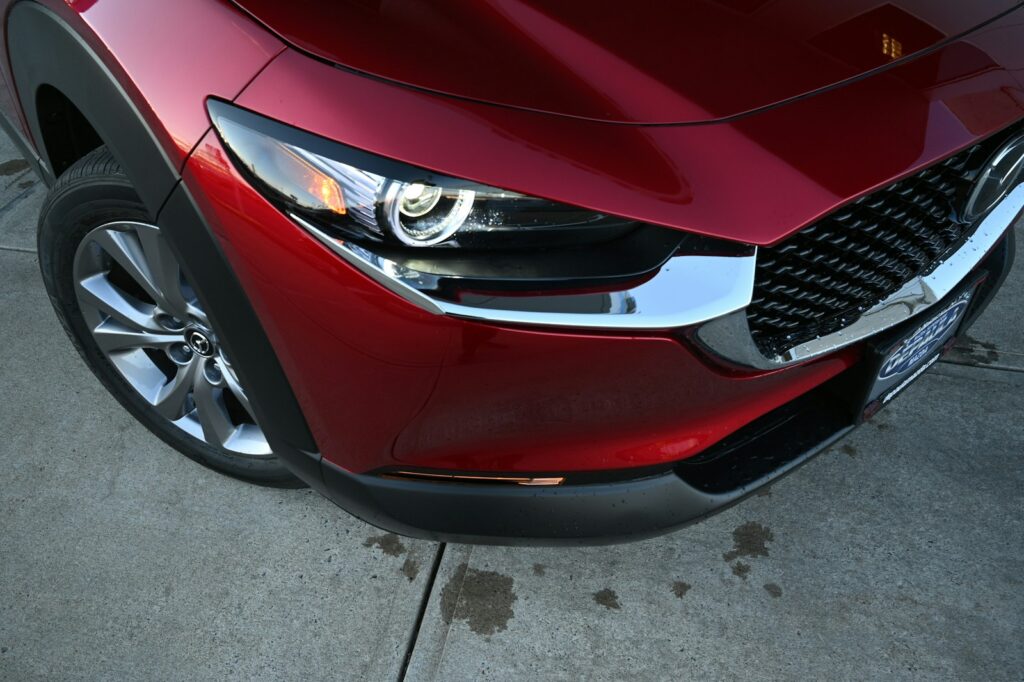
The “Out-the-Door” Number That Didn’t Even Pretend
At first they assumed they were looking at the wrong line. The husband leaned in, tracing the rows with his finger, like he could physically push the total downward if he stared hard enough. The wife did the mental math twice, then once more slower, the way people do when they’re trying not to make a scene.
The salesperson had a practiced explanation ready: “That’s out the door, with everything we do to the vehicle. It’s fully protected.” He said it casually, like the $7,700 jump was a small administrative hiccup, not the difference between “we can swing this” and “we’re idiots for coming here.”
They asked for a breakdown, and the worksheet had it—just not in a way that made sense. There were the normal things: sales tax, registration, doc fee. Then came a slab of dealer add-ons, listed like the car had shown up from the factory and immediately fallen into a vat of expensive extras.
The Add-Ons List That Read Like a Riddle
The salesperson pointed at the add-on section and started ticking them off with a pen. “Pre-installed protection package,” “security etch,” “all-weather mats,” “cargo tray,” “wheel locks,” “nitrogen,” and a paint-and-fabric thing with a name that sounded like a tech startup. Every item had a price that felt weirdly rounded, like it had been designed to be argued down rather than paid in full.
The wife kept flipping her eyes between the worksheet and the window sticker they’d taken a photo of earlier. She wasn’t doing anything dramatic—no raised voice, no threats—just that tight, quiet focus of someone trying to find the trick. The husband asked, “Pre-installed by who?” and the salesperson said, “By us. It’s already on the vehicle.”
That phrase—already on the vehicle—became the dealership’s whole posture. It was the reason they “couldn’t remove” things, the reason the price “is what it is,” the reason the conversation was supposed to end. The couple didn’t even get to negotiate the car yet; they were negotiating the right to start negotiating.
When the Window Sticker Started Doing the Talking
The wife pulled up the photo of the Monroney sticker on her phone and rotated it toward the salesperson. “These mats are on the sticker,” she said, tapping the screen. “The cargo tray is on the sticker. And the wheel locks are on the sticker. Why are they on here again?”
For a second the salesperson did that half-smile people use when they’re buying time. He leaned in, squinted at the phone like it was a fuzzy screenshot instead of a perfectly legible sticker, and said something about “different packages.” The husband asked him to explain how an item could be “pre-installed” by the dealership when it was listed as factory equipment on the window sticker.
The salesperson went from cheerful to slightly defensive, the way someone does when they realize the other person isn’t going to get tired first. He said, “The sticker shows what comes with the vehicle, but we enhance it. We install the upgraded versions.” So the wife asked the obvious follow-up: “Okay, what exactly is upgraded about these three things, and where is that noted?”
That’s when the manager entered the orbit. Not storming in, not slamming doors—just appearing beside the desk like he’d been summoned by the words “window sticker.” He didn’t introduce himself at first. He just looked at the worksheet, nodded, and said, “Those are dealer-installed items. They’re on every vehicle we sell.”
The Awkward Theater of “We Can’t Remove It”
The couple tried to keep it simple. If the mats, cargo tray, and wheel locks were already included in the MSRP—and clearly printed on the sticker—then charging again wasn’t “enhancing” anything. It was double-dipping, and the only reason it worked was because most people don’t cross-check line items under fluorescent lights while their credit gets pulled.
The manager’s response wasn’t an explanation so much as a wall. He said, “I hear you,” in a tone that didn’t actually mean he heard them. Then he pointed to the add-ons and framed them as non-negotiable: they were “pre-installed,” they “protect the vehicle,” they “help resale,” and the dealership “doesn’t sell cars without them.”
The husband asked for the original window sticker again, so the manager gestured vaguely and said it should be inside the vehicle. The wife asked if they could go look at the car and confirm what was installed, and the salesperson said yes, but there was a pause—like granting permission to view the thing they were about to spend forty-six thousand dollars on was a courtesy.
Outside, it got even weirder. The car was… normal. The all-weather mats were there, sure, the kind you’d expect. The cargo tray was there, not some gold-plated upgrade. The wheel locks were the same small, forgettable black lug nuts everyone gets, not a special anti-theft fortress.
Back at the desk, the wife asked for documentation showing that the dealership-installed versions were different from what was on the sticker. The manager said the “package” included “labor and installation.” The husband pointed out, gently but pointedly, that the sticker items were already installed when the car arrived, so there wasn’t labor to charge for again.
The Number Games Started, and So Did the Pressure
Once the couple didn’t back down, the dealership tried a different move: concessions that weren’t actually concessions. The salesperson offered to “discount” one add-on by a couple hundred dollars, as if the conflict was about being picky, not about being charged twice for the same items. The manager said he could “talk to finance” and see what he could do, which sounded like a favor instead of correcting a clear mismatch.
They were told, more than once, that “this is the market” and that the vehicle would sell quickly. The manager nodded toward the showroom and said they had “lots of interest” in that model, which was a way of saying: don’t make this hard, because we can replace you. The wife didn’t argue with that; she just kept returning to the sticker like it was a legal document, because it kind of is.
At one point, the husband asked for a clean out-the-door quote with only MSRP, tax, and legitimate fees—no add-ons. The manager didn’t say no directly. He said, “We can’t sell it like that,” and then waited, hands folded, like the couple was supposed to accept that as physics.
The tension wasn’t loud, but it was heavy. You could feel the dealership trying to wear them down: the pauses, the back-and-forth trips to “check something,” the way the conversation kept drifting toward monthly payment instead of total cost. The couple stayed stubbornly on the number: $38,500 was the starting point, not a decoy.
When they finally stood up, it wasn’t with a triumphant speech. It was with that exhausted resignation people get when they realize the whole interaction was designed to test whether they’d swallow embarrassment rather than walk away. The salesperson’s face tightened, and the manager’s politeness cooled into something flatter.
They left without the car, but the $46,200 followed them out like a bad smell. It wasn’t just that the price was higher—it was the way the dealership kept insisting the double-charged items were normal, unavoidable, even helpful. The couple drove home in their old car, still needing a three-row, still wanting to be excited, but now stuck with the lingering question that doesn’t resolve neatly: if a place will charge you twice for things printed right on the window sticker, what else were they hoping you wouldn’t notice once you were too tired to keep reading?
More from Steel Horse Rides: