
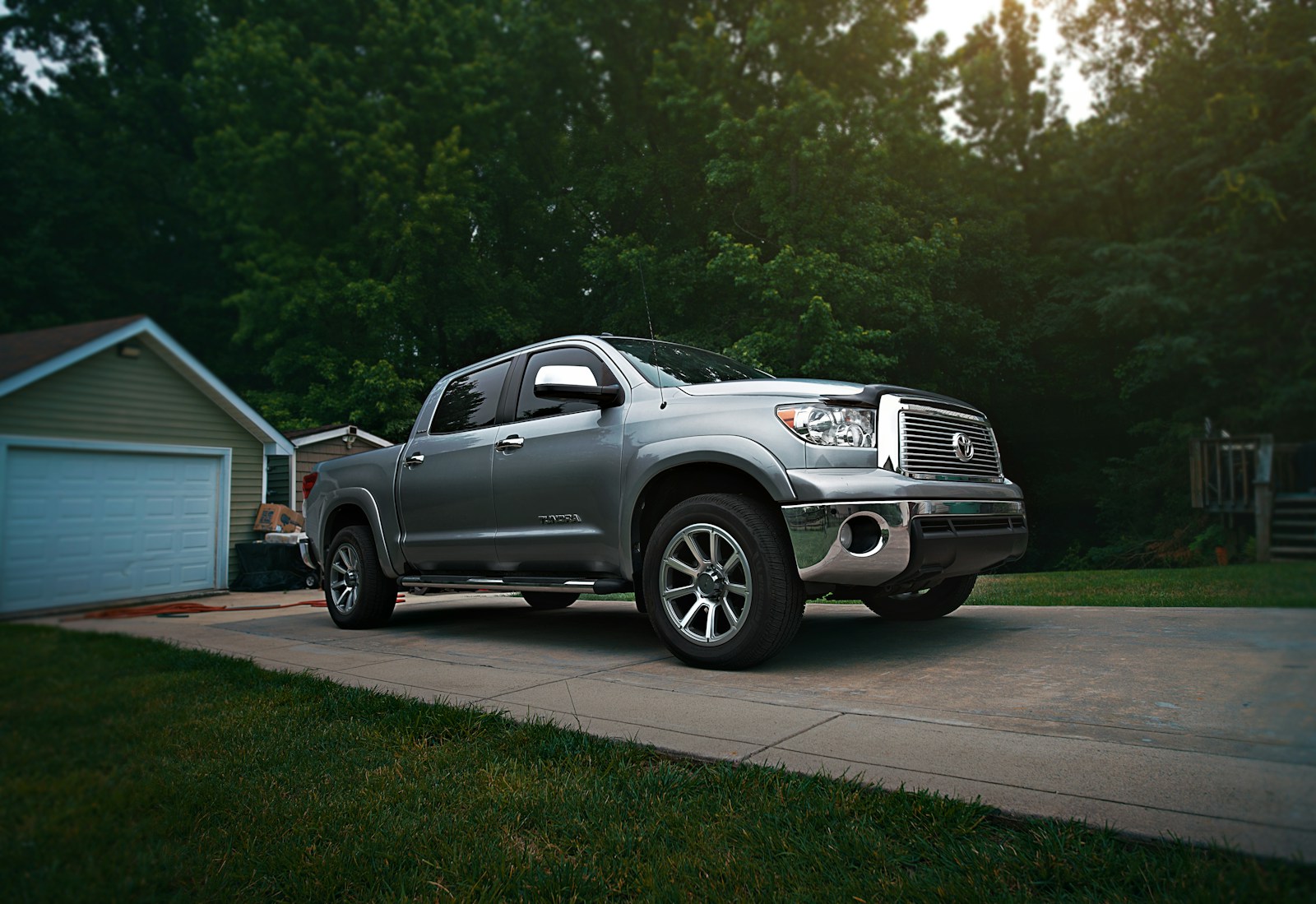

He’d been counting the days like a kid waiting for summer break, refreshing his email for the “ready for pickup” confirmation and picturing the exact moment he’d finally climb into his new truck. Not used—new. The kind you pay extra for so you don’t have to inherit someone else’s problems, dents, and weird smells.
So when he pulled into the dealership lot after work, it was that familiar mix of excitement and nerves: are the numbers going to match what they promised, is finance going to sneak something in, is the truck actually the color he ordered. The salesperson spotted him, did the big friendly wave, and walked him over past rows of shiny inventory like they were unveiling a prize. The pickup was parked out front, washed, dressed, and angled like it belonged on a poster.
And then he did what a lot of people swear they’ll do but forget in the moment—he walked around it slowly. Not a quick glance, but a real inspection. That’s when he saw it: a dent in the bed panel, the kind that catches light at an angle and suddenly becomes the only thing you can see. A crease in the metal near the wheel well, not enormous, but not “eh, maybe it’s a reflection” either.
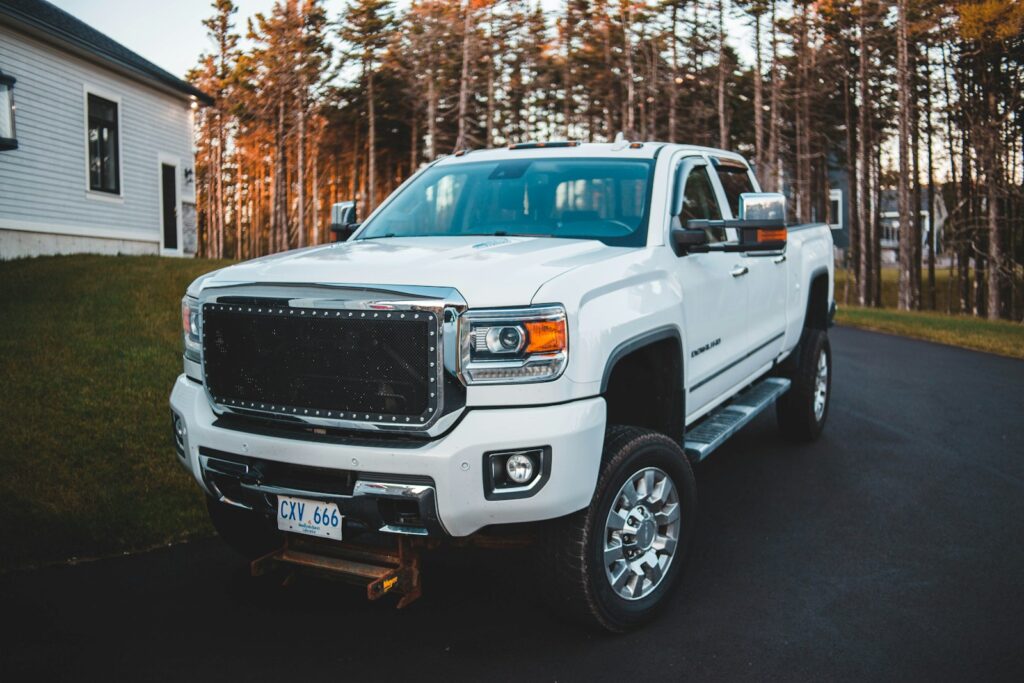
The window sticker that didn’t mention the one thing he could see
He asked the salesperson if he was looking at the right truck. Same VIN, same trim, same options package, same window sticker taped to the glass. The sticker was clean—no asterisks, no “see dealer,” no note about damage, repair, or discount.
The salesperson did that half-squint people do when they’re trying to buy time. He walked closer, ran his hand over the dent like maybe it would flatten if he pressed hard enough, then told the buyer it was probably “nothing” and they could “get it taken care of.” The buyer didn’t bite. He pointed at the sticker and asked, plainly: “Why isn’t this disclosed?”
That’s when the vibe shifted from celebratory pickup day to that awkward dealership limbo where nobody wants to be the person who says the wrong thing. The salesperson stopped talking like a tour guide and started talking like someone who needed to ask permission. “Let me grab my manager,” he said, and disappeared inside with the speed of a guy trying not to leave footprints.
The service manager’s explanation: “lot damaged” like it was a weather event
They didn’t bring out the sales manager first. They brought out the service manager, which already felt like a tell—like this wasn’t a pricing disagreement, it was a damage-and-repair situation being managed out of sight. The service manager walked up with a practiced calm, the kind of calm that usually means he’s had this conversation before.
He looked at the dent for maybe two seconds and said, casually, “Yeah, it got lot damaged.” Not “we’re sorry” or “we should’ve mentioned it,” just a label, like a category on an internal form. The buyer asked what “lot damaged” meant, exactly, because that could range from a shopping cart bump to someone backing into it with a forklift.
The service manager gave a vague answer about how things happen on lots—tight spaces, trucks being moved around, deliveries, other customers. No specifics about when, no specifics about who, no paperwork offered up. The buyer asked if it had been repaired. The manager said it hadn’t, but they could send it to their body guy, “make it right,” and it would look good as new.
That would’ve been irritating but solvable. Then came the part that turned it from “ugh, dealerships” into a full-on conflict: the service manager started talking about a “detail fee” they’d be adding because the truck would need to be cleaned again after the repair. Like the buyer was the one inconveniencing them by noticing.
The detail fee that landed like an insult
The buyer thought he misheard. He asked, “Wait—you’re charging me for detailing because your truck got dented?” The service manager didn’t flinch. He said the fee was standard, and that any time a vehicle goes through body work, it needs to be re-detailed, and that’s an additional service.
There’s a particular kind of silence that happens when someone says something so upside-down you’re not sure if they’re serious. The buyer just stared for a second, then asked for the breakdown in writing. The manager’s tone tightened a notch, and he started talking in that “policy, policy, policy” cadence dealerships use when they want the conversation to stop being personal.
The salesperson hovered nearby like he wanted to teleport. He kept making small, useless gestures—hands open, nodding, “we’ll take care of you”—but he wasn’t contradicting the manager. The buyer could feel the trap forming: take the truck as-is with a dent, or agree to repairs that would take time and somehow cost him extra, on the day he was supposed to be celebrating.
He asked about a discount instead. If the truck was damaged on their watch, why wasn’t the sticker adjusted? Why wasn’t there a markdown? The service manager didn’t say no outright, but he didn’t say yes either. He pivoted back to how “minor” the dent was and how good their body shop was, like quality work was supposed to erase the fact that this truck had already had a “history” before it ever left the lot.
Escalation, paperwork games, and the “are you going to walk?” moment
At this point, the buyer did what people do when they realize they’re being maneuvered: he stopped talking and started asking for documents. He wanted the inspection sheet, the delivery report, anything showing when the damage occurred. He wanted to see if it had been noted internally and quietly ignored, or if it was so recent they were scrambling.
The answers got slippery. Someone said they’d have to “check with inventory.” Someone else said “service doesn’t have access to that.” The buyer was now standing next to a new truck he hadn’t signed for, trying to figure out how a dent made it through whatever process was supposed to ensure a vehicle is delivered in the condition advertised.
Then the finance angle crept in. A different manager came out and asked if the buyer was “still planning on taking delivery today,” like the problem was his mood. The buyer said he would not sign anything until the dent was addressed and the detail fee was removed, period. That’s when the dealership started doing the subtle pressure thing: mentioning other buyers, talking about how long repairs could take, hinting that the truck might not be held.
It wasn’t a threat, exactly. It was more like they wanted him to feel silly for making a big deal out of “a little dent.” But when you’ve spent new-truck money, a “little dent” isn’t little—it’s proof something already went wrong, and now you’re negotiating from a position where the dealer wants you to act grateful they’re offering to fix their own mistake.
What made it sting: the feeling they were normalizing the wrong part
The buyer wasn’t naive about the fact that cars get dinged on lots. He wasn’t even demanding perfection from day one. What got under his skin was the casualness—the idea that a window sticker could present one reality, while the actual truck sitting there told a different story, and the dealership’s first instinct wasn’t disclosure but damage control.
And the detail fee wasn’t just a line item. It was a message: they were going to make him participate in the cost of their problem, and they expected him to accept it because it’s easier than arguing. It made him wonder what else would be “standard” once he drove off—mystery add-ons, surprise charges, the kind of stuff you only catch if you’re reading every line like a contract lawyer.
He asked one more time, calmly, for a written statement that the truck had been “lot damaged” prior to sale and that the repair would be performed at no cost to him, including any re-detailing. The managers exchanged a look like he’d just changed the rules of the game. Nobody likes putting the messy part in writing when they’ve been hoping the buyer will just accept a verbal “trust us.”
They didn’t scream at him or kick him out. They just started slow-walking the solution—“We can submit a request,” “We’ll see what we can do,” “Let’s get you into finance and we’ll figure it out.” The buyer stayed planted by the truck, staring at the dent like it was a stress test, because in a way it was.
By the time he left the lot, he still didn’t have the keys and didn’t have a clean answer. He had a truck with a visible dent, a dealership insisting it was normal, and a fee that felt like a dare. And the unresolved part hung in the air: if they were willing to argue this hard over a bed panel they damaged before he even owned the thing, what was picking up the phone going to look like when the problem was bigger and the truck was already his?
More from Steel Horse Rides: