
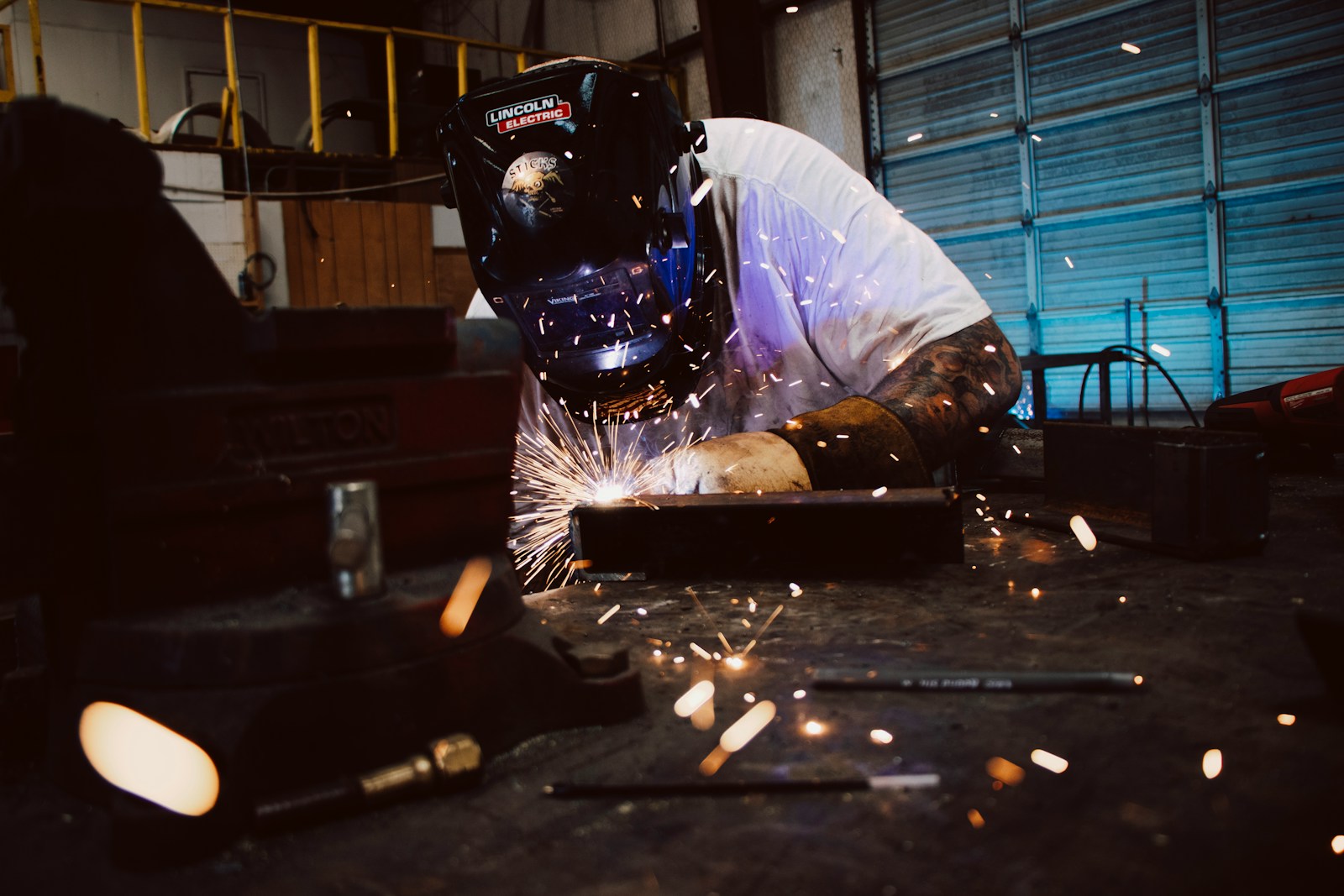

He’d been in the garage since lunch, hood down, radio loud enough to pretend he wasn’t alone with his own mistakes. The cab of the old truck was stripped to bare steel in all the places that mattered—seats out, carpet gone, rotten floor pans cut back to something solid. He was doing the heroic, stubborn thing: welding in new metal himself because paying a shop felt like admitting defeat.
The whole setup had that particular “this will be fine” energy. A welding blanket draped over the transmission tunnel, a fire extinguisher somewhere in the background, and a shop vac hose coiled like a dead snake under the workbench. He’d already laid a couple decent beads and was feeling that quiet satisfaction you only get when two pieces of steel finally stop arguing and become one piece.
Then a slag spark arced up where it had no business going—straight through a gap he hadn’t bothered to cover—and he watched, through the open door, the headliner go from dusty gray to a tiny, confident orange glow. It wasn’t a dramatic “whoosh,” not at first. It was more like the cab took a breath and decided to start cooking itself from the inside.
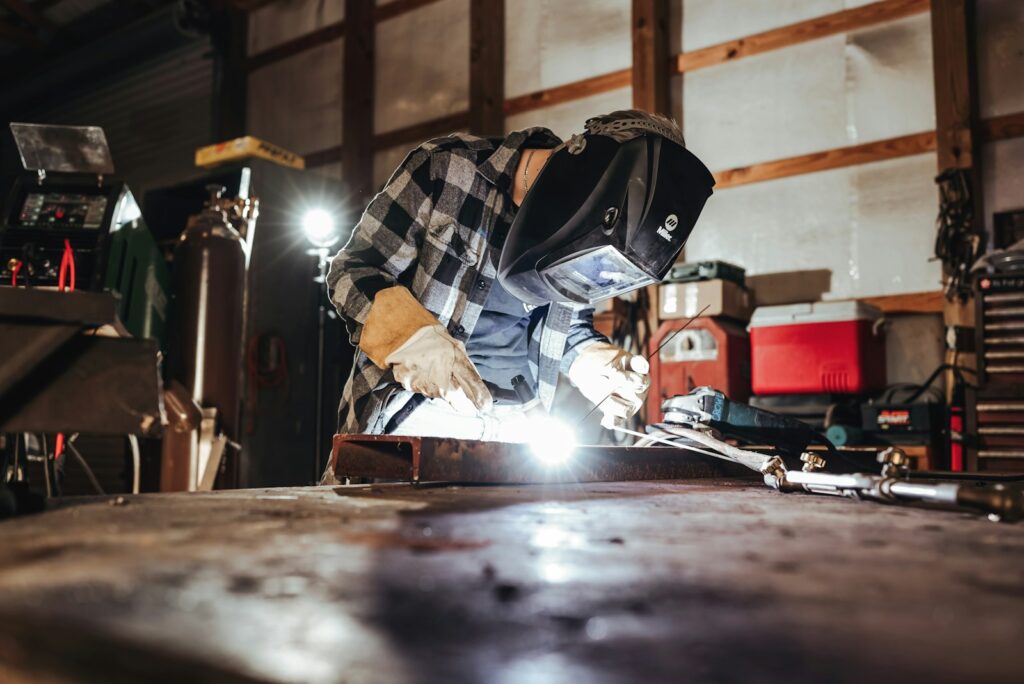
The Floor Pan Fix That Turned Into a Cab Surgery
He’d bought the truck as a project and a promise, the kind of “it’s mostly there” deal that turns into a second job. The floors were Swiss cheese, especially under the driver’s feet, where years of wet boots and leaking weatherstrips had eaten the steel down to lace. He could’ve done patch panels, but he’d gone all in—full replacement pans, because if he was already cutting, he might as well do it once.
The cab was half-gutted, but not fully. That’s the part everyone kept circling back to later, because he’d done the obvious stuff: seats out, carpet out, insulation scraped, and a quick sweep of the loose rust. But the headliner stayed, along with the visors, because removing them felt like “interior work,” and interior work always turns into breaking plastic clips you can’t replace.
Also, he figured the heat was down low. He wasn’t welding near the roof, wasn’t cutting pillars, wasn’t doing anything that screamed “fire hazard up top.” He’d seen people weld floors a hundred times online, and the headliner never caught fire in those videos, so it lodged in his brain as a non-issue.
The Tiny Spark That Picked the Worst Possible Path
He was kneeling inside the cab, leaning forward, welding along the edge where the new pan met the old metal. One of those awkward positions where you can’t quite see your puddle unless you crane your neck, and your glove catches on the edge of the sheet. He’d tacked the panel, checked alignment, and then started stitching it in, short beads so the panel wouldn’t warp.
Slag pops are part of the deal, especially when you’re not perfectly clean. A little contamination, a little seam sealer residue, and the puddle spits. One of those pops launched a hot fleck up through the gap between the blanket and the side of the tunnel, like it had a map of his oversights.
At first, he didn’t notice anything wrong. The weld sounded normal, the arc was steady, and his brain was in that tunnel-vision place where you’re thinking about travel speed and penetration and whether your gas is actually flowing. Then he caught a smell that didn’t match the usual “hot metal and regret” aroma of a garage weld—something sweeter, nastier, like a heated glue gun left on a carpet.
He killed the trigger and looked up. Through the open door, up near the top edge of the passenger side, the headliner had a glowing ember about the size of a dime, and it was quietly growing like it had time and confidence. For a half-second he just stared, because it’s hard to accept that your roof is burning when you’re welding the floor.
The Panic Shuffle and the “Why Won’t It Go Out?” Moment
He did what everyone does in that exact scenario: he swatted at it with his glove. Which worked for about half a second, until he realized his glove was now part of the problem, and the ember wasn’t a single ember anymore. The headliner material—aged fabric over foam—was taking the heat and spreading it, like lighting a candle through a sponge.
He scrambled out of the cab, tripped on the door sill, and grabbed the nearest thing that looked like it could beat fire into submission. In his case it was a spray bottle of water he’d been using to cool welds and keep dust down, which is not a fire extinguisher but also what you reach for when your brain is running on static. He misted the headliner and watched it hiss, darken, and then flare again an inch away, as if the water had simply encouraged it to relocate.
At this point, the smell changed from “odd” to “oh no.” It wasn’t just fabric; it was adhesive and foam and whatever decades of cigarette smoke and cleaner residue had marinated in the roof. You know that acrid plastic smell that clings to your sinuses? It was that, plus burnt contact cement.
He finally yanked the extinguisher off the wall—because of course it was on the wall the whole time—and hit the roof with a quick blast. That powdery cloud filled the cab like a snowstorm of humiliation. The fire stopped, but the headliner looked like a toasted marshmallow someone had stepped on.
The Visor Wiring He Forgot About, and the Surprise Second Problem
Once the immediate flames were out, he did the “damage assessment” routine: flashlight, poking around, pulling at the sagging edge of fabric. That’s when he remembered the visors weren’t just dumb flaps on this truck. Someone had upgraded it years ago—lighted vanity mirrors, maybe a garage door opener spliced in at some point, that sort of thing.
The wiring was still up there, tucked along the roof brace, running to the visor mounts. He hadn’t pulled it, hadn’t disconnected the battery in a disciplined way, and hadn’t thought about what happens when you heat-soak adhesive and melt insulation in the same confined space. The fire hadn’t “exploded,” but it had absolutely cooked the harness and whatever tape or glue was holding it in place.
So even after the visible flames were gone, the cab kept doing little, quiet evil things. A faint wisp of smoke would rise from a seam. A plastic clip would slump and fall. He’d lean in, touch something, and his finger would come back sticky with half-melted adhesive that smelled like burned pine tar.
He ended up ripping the headliner down in sections, which is a mess even when you’re doing it calmly. When you’re doing it because something might reignite, it becomes this frantic, tearing archaeology—foam dust everywhere, brittle trim pieces snapping, and the sickening realization that you’ve turned a “floor pan weekend” into “interior restoration month.” The visor wiring came down with it, half fused to the roof glue, and he stared at it like it had betrayed him personally.
The Weeks-Long Smell and the Awkward Aftermath
The truck didn’t burn to the ground, which he kept repeating like a mantra as he swept extinguisher powder out of the dash vents. But the cab was haunted by that smell. Burnt glue isn’t like burnt toast—you don’t air it out and move on. It gets into the seams, into the insulation you missed, into the little pockets behind the kick panels where nobody ever cleans.
For weeks, every time he opened the door, the odor hit him with the same punchy, chemical reminder. He tried vinegar bowls. He tried baking soda. He tried leaving the windows cracked overnight until the morning dew made everything feel damp and worse. Each attempt helped just enough to give him hope, and then the heat of the day would wake the smell back up, like the cab was sweating out the memory of the fire.
People who stopped by the garage had the same reaction: they’d glance up at the roof and then back at him, like they were doing the math. The roasted spot was obvious even after he scraped and cleaned, a dark, ragged crater where the fabric had curled away. Someone asked why he hadn’t just pulled the headliner before welding, and he didn’t have a clever answer—only that he hadn’t thought a floor pan job could reach the ceiling.
He kept welding, because stopping would mean sitting with it, and sitting with it would mean admitting how close he’d come to losing the whole cab. But now every few minutes he’d pause, sniff, and look up, like he expected the roof to smolder again out of spite. The tension wasn’t just about fire anymore—it was about trust, the way a project stops feeling like a fun challenge and starts feeling like a thing that waits for you to get comfortable before it hurts you.
By the time the new floor was fully burned in and ground smooth, the truck had two big truths baked into it: the metal was stronger, and the interior was now a crime scene. The unresolved part wasn’t whether he’d fix the headliner—he would, eventually—but whether he could get the smell out enough to stop thinking about that tiny spark. Every time he pictured it, he saw how casually it started, how quietly it grew, and how one forgotten visor wire turned a simple weld into weeks of driving around in a cab that smelled like burnt glue and bad timing.
More from Steel Horse Rides: