

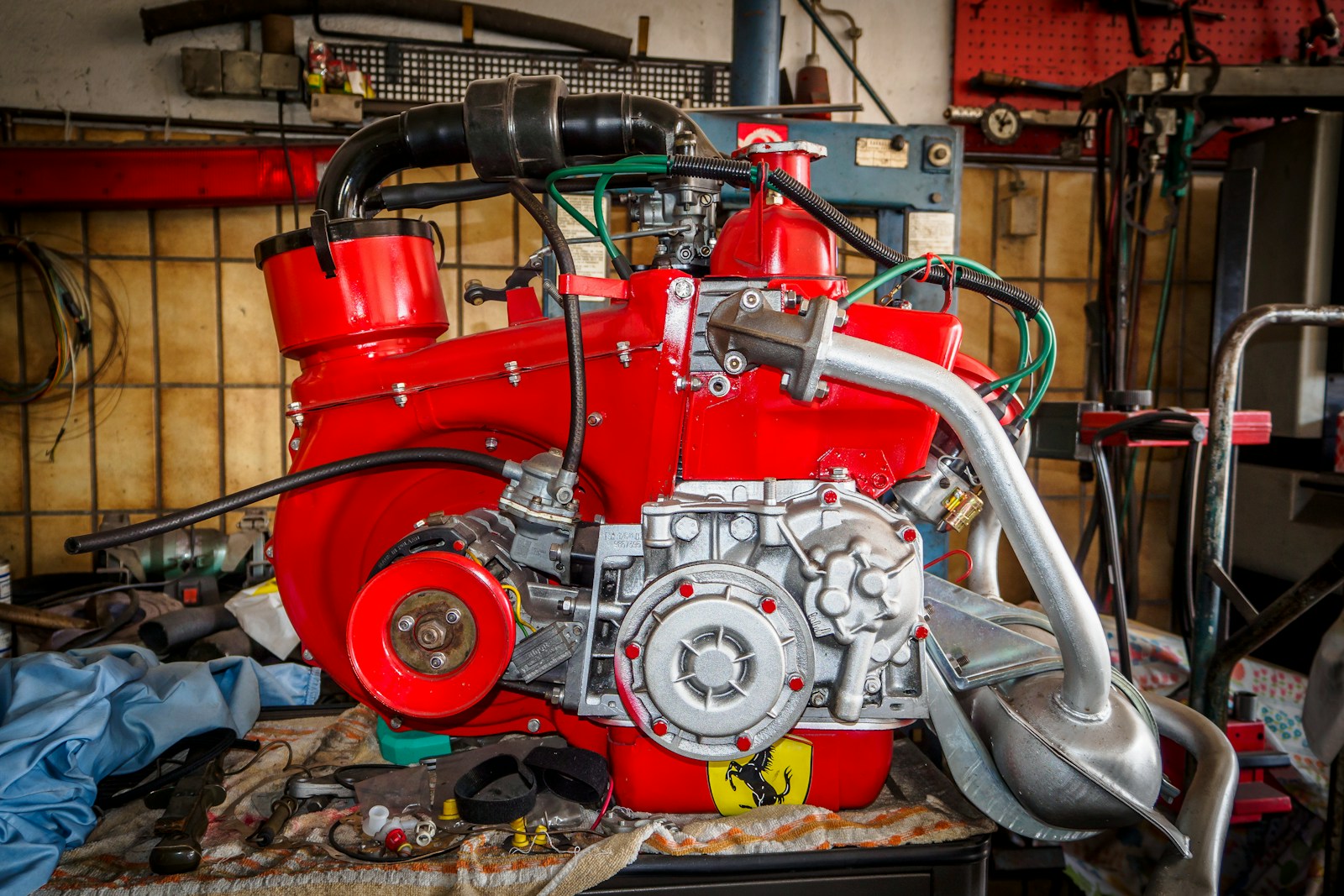
He’d built the whole thing in his garage with the door cracked open and a box fan pushing the smell of assembly lube out into the driveway. First engine, first “real” cam, first time he’d ever torqued down heads without a shop hovering in the background. He kept saying the same sentence to anyone who stopped by: it wasn’t some show build, just a solid street motor he could trust.
For the first couple weeks after it fired, he was unbearable in that specific way new builders can be—checking the dipstick like it was a newborn, texting people idle vacuum numbers, insisting the faintest tick was “just injectors” even though it was a carb. He put 800 miles on it fast, mostly little loops around town and late-night pulls on empty frontage roads. The pride was real, and so was the anxiety that comes with hearing your own work make noise.
Then the noise changed. It started as a tap he could ignore if the radio was up, the kind you swear is an exhaust leak until you get paranoid and start driving next to jersey barriers to hear it bounce back. Over a few days it stacked on itself—tap, tap, tap—until one evening it sharpened into a click that tracked the rpm like a metronome. The fun part was over, and he knew it before he admitted it.
The Build: “It’s Basically Stock, Just Better”
The engine itself wasn’t exotic: a small-block street setup with a flat-tappet cam because it was cheaper and “everybody’s run these forever.” He’d bought the cam and lifters as a kit, grabbed springs that were supposed to match, and used the moly paste that came in the box like it was frosting. His friend—older guy, actual grease under the nails—had asked one question that stuck: “You doing the break-in right?”
He waved it off. He’d watched videos, skimmed a forum thread, and decided the whole 20–30 minutes at 2,000–2,500 rpm thing was kind of outdated, mostly for “old oils” and “old machining.” Plus, he didn’t want it screaming in the driveway while neighbors stared, and the idea of holding throttle for half an hour made him nervous. He told himself he’d just take it easy, vary the rpm on the road, and let it “wear in naturally.”
That decision was the first domino, but it didn’t feel like one because the engine started easily and sounded healthy. Oil pressure came up, coolant stayed reasonable, no obvious leaks. The only thing he didn’t do was the one ritual every old-school flat-tappet guy acts like is sacred.
The First Tap: Denial, Then Little Adjustments
The tap showed up after a couple hundred miles, subtle enough that he could pretend it had always been there. He tightened a header bolt, swapped to a thicker oil, and convinced himself it got quieter. For a day or two it even seemed like it had, which is the most dangerous phase of these stories—when the engine gives you just enough hope to keep driving it.
He started doing little diagnostic rituals like he’d learned online. Stethoscope on valve covers, listening at the front cover, leaning over the fenders while a buddy blipped the throttle. The sound was always “somewhere up top,” which is engine-speak for “it could be anything and you’re going to pick the cheapest explanation first.”
He adjusted valves again even though he’d already set preload carefully during assembly. He checked timing twice. He pulled a plug or two to look for a lean cylinder, because people love blaming noises on combustion when they don’t want to admit something mechanical is dying. The click didn’t care. It stayed, crisp and regular, like it was proud of itself.
The Click: When He Finally Pulled a Valve Cover
The turning point wasn’t a dramatic bang—it was the way the engine started to feel lazier. Same throttle, same road, but it didn’t pull the way it did in the first week. He noticed it most in second gear, where it used to zing and now felt like it was dragging an anchor made of disappointment.
He popped the hood with that forced calm people use when they’re trying not to scare themselves. Off came the passenger valve cover, and it looked… normal. Oil was there, rockers were moving, nothing obviously broken or loose. Then he turned it over by hand and watched one rocker barely move compared to the others, like it was doing the minimum required to stay employed.
That’s when the excuses stopped working. He went from “maybe exhaust leak” to “I think I have a cam going flat” in about ten seconds. There was a long pause where he didn’t say anything, just stared at the valvetrain like he could will it back into shape.
Tearing It Down: The Lobe That Wasn’t a Lobe Anymore
Pulling the intake was the moment the situation became impossible to rationalize. The lifter valley wasn’t clean; it looked like someone had sprinkled metallic silt through the oil and let it settle wherever it wanted. That glittery sludge people joke about? It was real, stuck in corners, smeared in the oil film, hiding in the places you don’t think to check until you already have a problem.
He yanked lifters and started lining them up, expecting maybe one bad one, maybe a scuffed face. Two were obviously wiped—concave, chewed up, the kind of wear pattern that makes your stomach drop because it isn’t “wear,” it’s damage. The corresponding cam lobes were worse: not rounded and smooth, but flattened like somebody took a grinder to them and got bored halfway through.
Then he noticed something that didn’t match any of the mental pictures he’d prepared for. A couple lifters weren’t just worn—they were hammered. The bottoms looked punched, and the bores they rode in had taken a beating too, like the lifters had been slamming around instead of rotating cleanly. Someone described it as “punching into the block,” and it wasn’t hyperbole; the block had witness marks that made it look like the lifters had been trying to escape.
Once the cam is that far gone, everything becomes a question mark. Oil pump, bearings, journals, the new timing set that now had metallic trash run through it—none of it could be trusted. The engine hadn’t just lost a cam; it had circulated its own failure through itself for hundreds of miles while he chased noises and tightened bolts.
The Awkward Part: Admitting What He Skipped
The most uncomfortable moment wasn’t the teardown, it was the conversation after, when the older friend asked again about break-in. There’s a specific tone people use when they already know the answer but want to hear you say it out loud. The builder hesitated, then admitted he never did the high-rpm cam break-in, just “drove it easy” and changed the oil early like that would compensate.
The friend didn’t yell, which almost made it worse. He just went quiet and started listing the stuff that now had to happen: flush everything, probably pull the pan and inspect bearings, maybe full teardown depending on how bad the glitter got. The builder kept trying to bargain—maybe just a new cam and lifters, maybe clean it and go again—because nobody wants their first build to turn into an accidental machining lesson.
There was also the money part, hanging over the whole garage like a storm cloud. He’d already spent what he’d told himself was “the budget,” and now he was looking at buying the same parts twice plus whatever it took to fix what those parts damaged. Every new suggestion felt like someone adding another zero to the end of his pride.
And the worst detail, the one that stuck with people who read the story later, was the timeline: 800 miles. Not 80,000, not “years later,” but barely enough to run through a couple tanks of gas and start trusting it. He’d had just enough time to fall in love with the idea of his new engine before it taught him how unforgiving flat-tappet cams can be when they don’t get their first thirty minutes.
By the end, the engine was in pieces and the garage had that defeated look—parts arranged neatly because chaos would make it feel even more like failure. He wasn’t posting dyno clips anymore; he was posting close-ups of lifter faces and asking how far metal travels before it ruins everything. The tension that stayed wasn’t whether it could be fixed, because it could, but whether he’d trust himself to put it back together without second-guessing every step, and whether that older friend would still show up next time he said, “I’m about to fire it for the first time.”