

He’d been looking for a used sports coupe for months, the kind of car that still felt light and sharp even if it had a few years on it. Not a garage queen, not a track rat—just something clean enough to be proud of, cheap enough to actually drive. When he finally found one in the right spec, the seller’s listing was the usual song: “adult owned,” “no accidents,” “just needs a good home,” with a stack of glossy photos taken at golden hour.
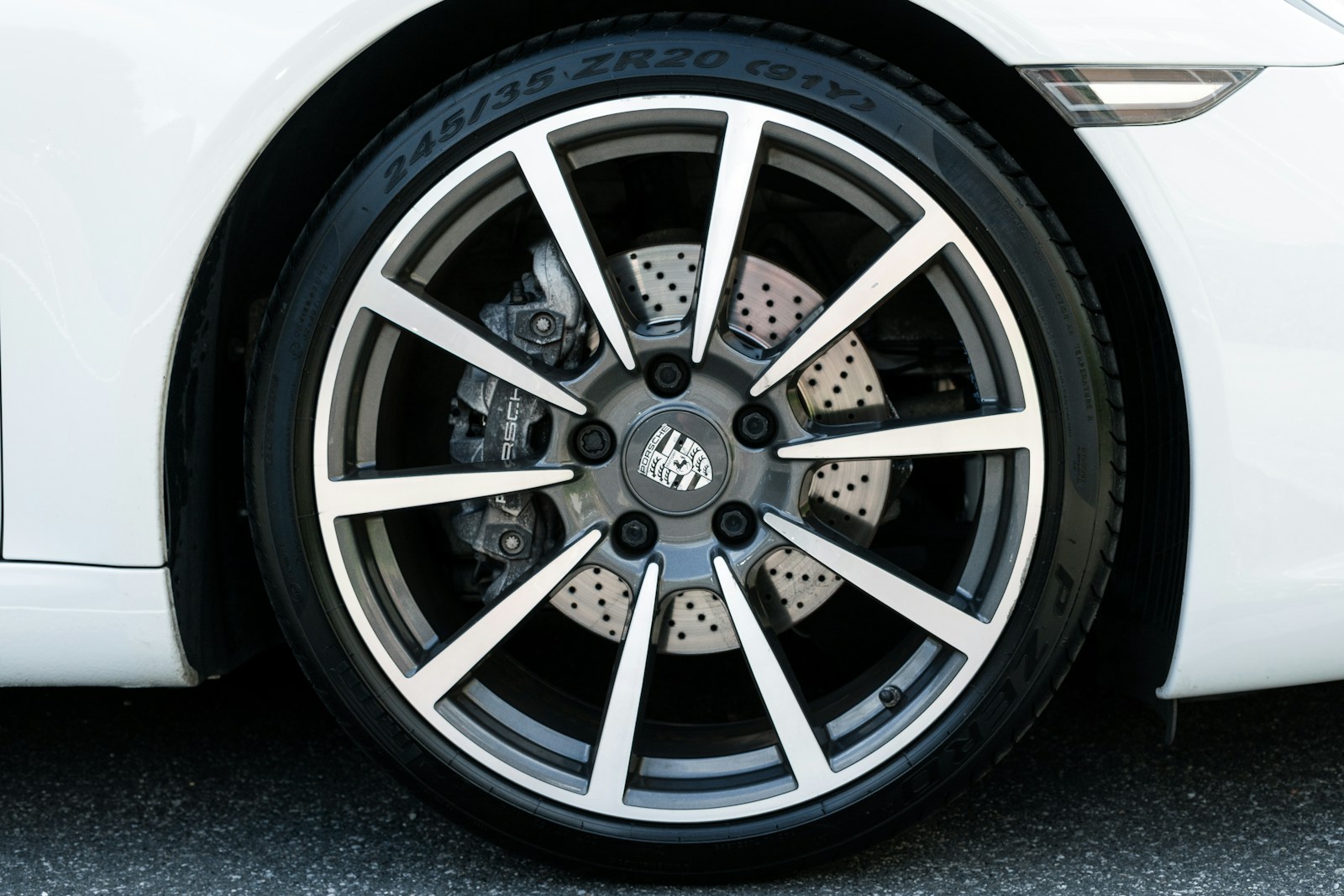
The car looked straight in the pictures, the paint even, the panel gaps decent. In person, it was convincing in the way a lot of used cars are convincing: freshly washed, tire shine still wet, interior wiped down with something that smelled like fake leather and hope. The seller talked fast and smiled a lot, pointing out the aftermarket wheels and the clean title like they were character references.
The buyer did the normal stuff—quick test drive, listened for knocks, checked the oil cap, looked under the trunk mat. He noticed a couple little things that didn’t quite line up, like one headlight that seemed a shade newer and a faint difference in the orange peel on the passenger-side fender, but nothing screamed “walk away.” He negotiated a little, the seller acted mildly offended, and they landed on a number that felt like a win.
The first week: tiny clues that wouldn’t shut up
The first few days were pure honeymoon. He took the long way home, played with the revs in second gear, parked it where he could see it from his kitchen window like it was a pet he didn’t trust yet. Friends did the normal circle-around-it routine, complimented the stance, asked what it made at the wheels, all that.
Then the little annoyances started piling up. The steering felt slightly off-center even after he set tire pressures, and on certain roads the car wandered like it couldn’t decide which groove it wanted to live in. He chalked it up to alignment, maybe a worn bushing, maybe just sporty-car behavior he’d forgotten.
The bigger clue was the noise. Over rough pavement, the front passenger side made a plastic-y scrape that didn’t match the rest of the car, like a loose tab rubbing a tire. It wasn’t constant, which made it worse—it came and went just enough to make him keep the radio off and listen for it.
He did what most people do with a new-to-them car: he started “inspecting” it in his driveway in the evenings, phone flashlight in his mouth, finding reasons to pull on trim and poke at liners. At first it was just curiosity. After a few nights, it was suspicion wearing curiosity’s jacket.
Pulling the wheel well liner
One evening he jacked up the front passenger corner and took the wheel off, planning to check for rubbing marks and maybe look at the strut and control arm. Everything visible looked… fine. No obvious bends, no fresh grease, nothing dripping.
The wheel well liner was held in with the standard mix of plastic push pins and tiny screws that always strip if you look at them wrong. He expected to find a loose clip or a torn edge flapping around. What he found instead was paint.
Not overspray on plastic—actual paint layers where paint shouldn’t be layered. Behind the liner, tucked up under the fender, the metal showed a clean, glossy color that didn’t match the exterior. He wiped it with his finger, thinking it was dirt or undercoating, and the light caught it like a candy shell.
He leaned in closer and realized it wasn’t just one wrong color. There were at least three coats visible where a chip or seam exposed the stack: one color on top, another beneath it, and a third under that. It looked like someone had repainted the car more than once, and not in the “full respray by a perfectionist” way—more like the “keep it looking okay from five feet away” way.
Three colors and a story that didn’t match
At first he tried to rationalize it. Maybe the fender had been replaced with one from a donor car and painted. Maybe there’d been a minor scrape and the body shop blended it. Those things happen, even on “no accident” cars, because people define “accident” like it’s a legal loophole.
But the paint layers weren’t just on the fender skin. They were in places you only see when you’re already suspicious: inside the lip, around spot welds, along edges that usually only get factory coating. The kind of coverage that comes from someone fogging paint into cavities because they wanted everything to look uniform for a quick inspection.
He started hunting for other mismatches. The bolts holding the fender on had tool marks, the kind that show up when a socket has been on and off a few times. The seam sealer in one corner looked different—slightly messier, like it had been reapplied with a gloved finger instead of a robot.
He texted the seller a neutral question, something like, “Hey, do you know if the car’s ever had fender work on the passenger side?” The seller replied fast, too fast, with a breezy “Nope, never. Clean car.” No curiosity, no “why do you ask,” just a hard denial like a reflex.
The frame rail crease
Once he saw the paint stack, he couldn’t unsee it. He pulled the liner further back and aimed a brighter light deeper into the corner, toward the structure behind the fender. That’s when the shape of the metal stopped looking like factory geometry.
The frame rail had a crease. Not a tiny ripple from a jack slip—an actual pulled-looking line running along a section that should’ve been smooth. The metal around it had that slightly stretched look, like it had been yanked back into place and then smoothed over as best as possible.
He ran his fingertips along it and felt the subtle ridge. Nearby, there were signs of fresh-ish undercoating or paint trying to disguise texture, a dark layer that wasn’t quite the same as the surrounding factory finish. It wasn’t dripping or sloppy, just deliberate—someone had tried to make the area look “normal.”
At that point the scrape noise made sense in an ugly way. A hit in that corner could shift mounting points just enough to make a liner sit weird, or a wheel sit slightly off in the arch, or the car tug when it hits bumps. The car wasn’t cursed; it was repaired, and repaired with the kind of confidence that comes from hoping the next person won’t look behind plastic.
Awkward calls, defensive answers, and the paperwork dance
He called the seller instead of texting, because some lies are easier to spot in real time. The seller answered with the same friendly tone, right up until the buyer described what he’d found. The friendliness didn’t vanish; it tightened, like someone pulling a hoodie string.
The seller’s first move was to minimize. “It probably had a fender repainted,” he said, suddenly okay with the idea of bodywork now that denial wasn’t working. When the buyer mentioned multiple paint layers and the frame rail crease, the seller switched to confusion—“I have no idea what you’re talking about, man”—as if the buyer had invented a new kind of metal.
The buyer asked about any previous insurance claims, any shop receipts, any history at all. The seller said he’d bought it that way and never had issues, which was a neat trick considering the listing had framed him as the responsible adult owner. When pressed, he got irritated and started suggesting the buyer was “looking for problems.”
That’s when the buyer’s mood shifted from disappointed to angry. It wasn’t just the money—it was the feeling of being played, of realizing the “no accidents” line was either a lie or a semantic dodge. The buyer brought up returning the car, and the seller responded like the idea was offensive, reminding him it was a private sale and “you inspected it.”
The buyer, now fully in detective mode, pulled his bill of sale and re-read every line. If “no known accidents” was written anywhere, it mattered. If it wasn’t, then it became a different fight: proving misrepresentation without a clean, simple sentence to point at.
He booked an inspection at a reputable body shop the next day, the kind of place that doesn’t do drama—just measurements and facts. The tech took one look inside that corner and got quiet in a way that wasn’t reassuring. They talked about measuring points, checking for pull marks, and the possibility of hidden damage extending farther than what was visible.
Living with the question: how bad is it, really?
Now the buyer was stuck in that miserable in-between stage where nothing is settled. The car still ran and drove, still looked good from the curb, still made the right noises when he got on it. But every time he walked up to it, he saw the paint layers in his head like a cross-section diagram, and every bump in the road felt like a warning.
He started noticing how the seller’s confidence had been built around assumptions: most people don’t pull liners, most people don’t bring lights, most people don’t know what a rail should look like. The car was marketed to that “most people,” and the buyer had accidentally disqualified himself by being curious.
He debated his next move—push for a return and risk getting stonewalled, start digging into title branding and old photos, or accept that he’d bought a story someone else had already rewritten three times in three different colors. The maddening part wasn’t just the damage; it was how intentional the concealment felt, like the car had been dressed up specifically to avoid exactly this moment.
And the thing that kept it simmering wasn’t the crease alone—it was the unanswered question of what caused it. A parking lot hit doesn’t usually pull a rail. Whatever happened in that corner was strong enough to move structure, and now he owned the aftermath, sitting in his driveway looking flawless until you peel back a few plastic clips and meet the version of the car that never made it into the listing photos.
More from Steel Horse Rides: