

He’d been saving for a year and talking himself out of it for at least six months: don’t buy the fun car, buy the sensible car. Then a used performance sedan popped up within driving distance, clean photos, tasteful mods, and a price that looked like a small miracle. The kind of listing that makes you think, okay, maybe the universe is finally cutting me a break.
The seller was a guy in his late 30s with that practiced “car person but also responsible adult” vibe—polite, confident, clipboard energy without the clipboard. He had a folder of maintenance receipts, a freshly detailed interior that smelled like citrus and ambition, and a quick story for every question. The buyer, first time doing this on his own, felt himself relaxing as the seller talked.
The test drive was exactly the problem: it drove great. Boost came on smooth, the transmission didn’t hunt, no weird vibrations, no check engine light glowing like a warning label. The buyer tried to stay skeptical, but the seller kept landing the hits: “never tracked,” “oil every 3k,” “only selling because we’re moving,” “I just topped off fluids this morning.” That last part would come back like a bad chorus.
The deal felt too clean, and that was the first little itch
They met in daylight, in a decent neighborhood, and the car started cold without drama. The buyer did the usual walkaround, looked for mismatched paint, checked the tires, glanced under the car for fresh drips. Nothing obvious, and the seller never got defensive—just stood there, hands in pockets, letting the buyer poke around like it was a showroom.
The buyer asked about coolant because he’d heard the horror stories—head gaskets, warped heads, overheating turning into bankruptcy. The seller nodded like he appreciated the diligence and said it ran “a hair warm in traffic” but nothing outside normal. He mentioned adding a little coolant here and there, “probably just the cap,” and laughed like it was the most boring issue in the world.
That line should’ve been a red flag, but it sounded plausible. Old cars seep, caps get tired, small leaks happen. Plus, the temperature gauge stayed steady on the test drive, and the heater blew hot, which always reassures people even though it shouldn’t.
Paperwork happened fast after that. The buyer handed over the money, got a bill of sale, and drove home buzzing—part relief, part pride, part “I can’t believe this is mine.” The performance sedan sat in his driveway like a trophy, and he did what new owners always do: he went outside every thirty minutes just to look at it again.
The first weekend inspection: the kind that turns your stomach
Two days later, he decided to do a baseline service. Nothing fancy, just oil and filter so he’d know where he was starting. He popped the hood, took a second to admire the engine bay, and noticed the coolant reservoir was right at the line—maybe slightly above it, like the seller had been generous.
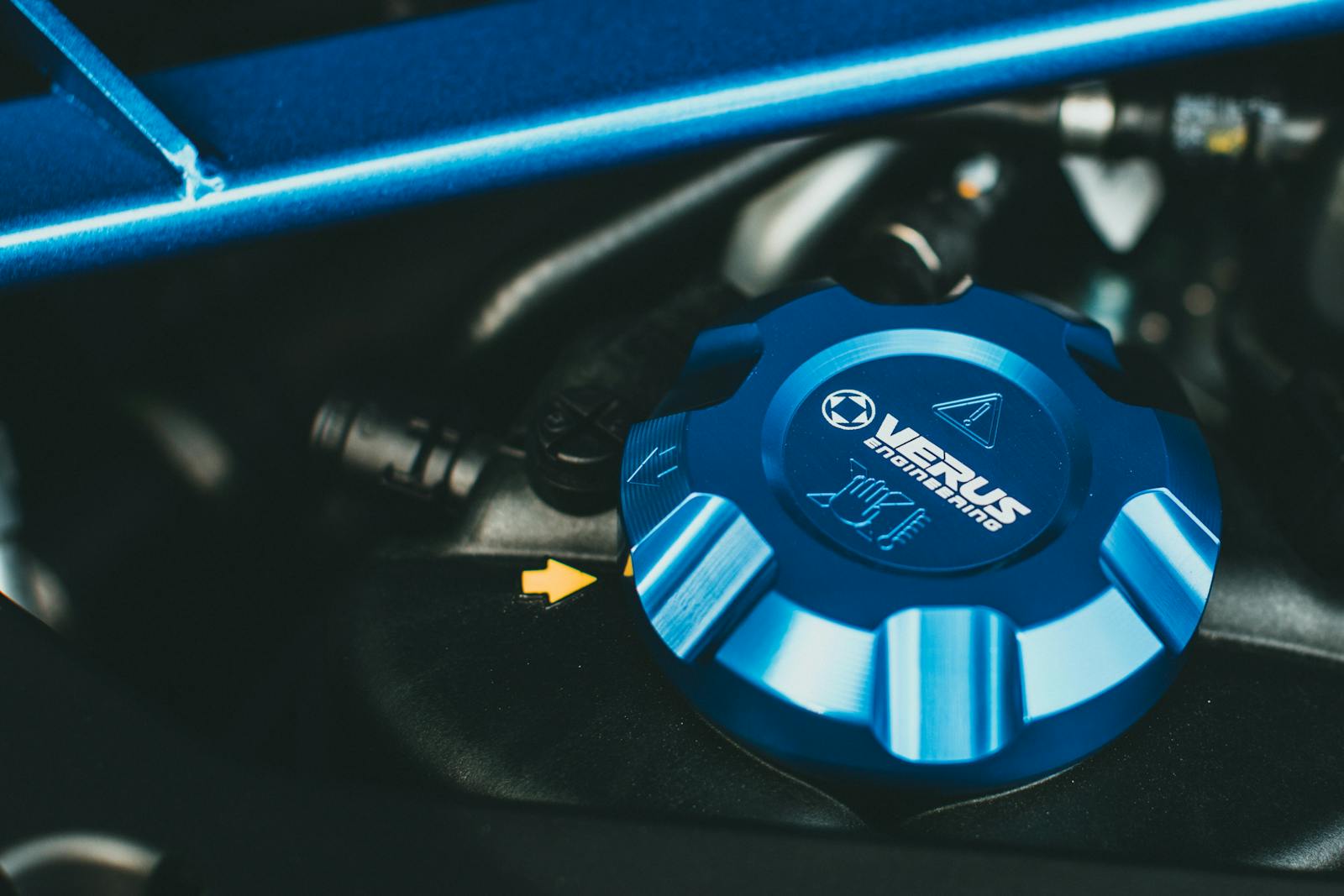
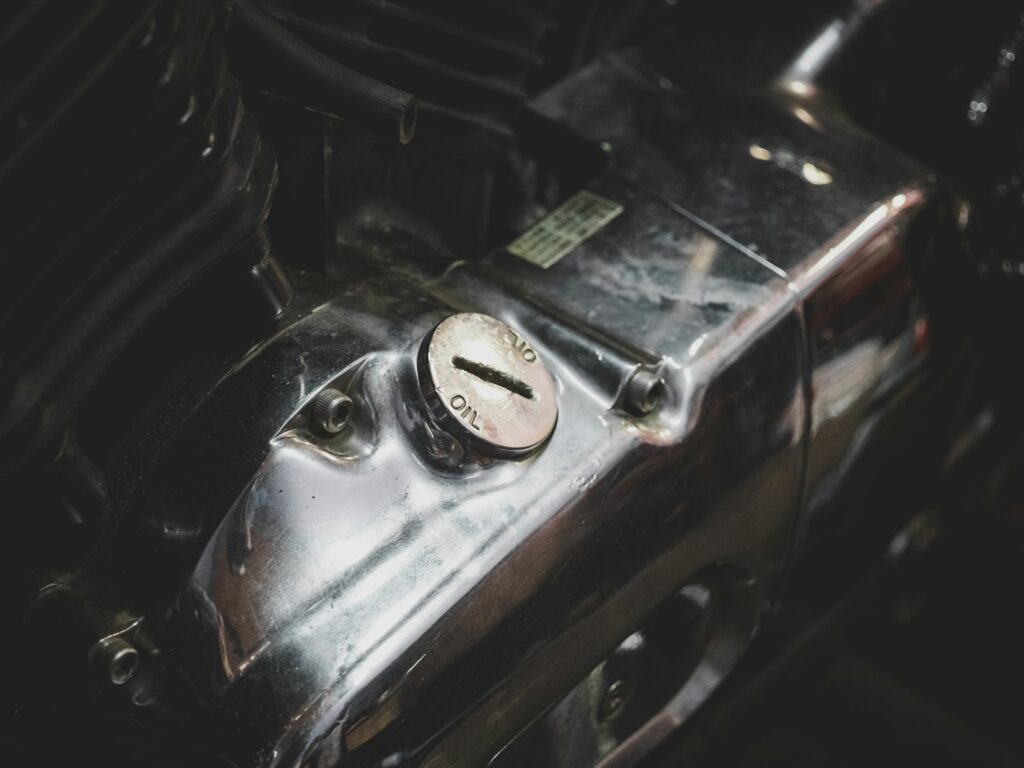
He started with the oil cap because it’s easy and it makes you feel like you’re doing something. He twisted it off, and the underside wasn’t just dark with oil mist. It had that tan, whipped, coffee-foam sludge clinging to it—thick enough to hold shape, the color of a latte left in a hot car.
He stood there for a long second just staring, trying to force his brain to find an innocent explanation. Short trips can cause some condensation, sure, especially in cold weather. But this wasn’t a light mayonnaise smear; it looked like the engine had been making cappuccinos.
He wiped it with a rag, and it came off in gummy clumps. Then he looked down into the filler neck and saw more of the same on the edges. The excitement from the test drive evaporated, replaced by that specific dread that only comes when you realize you might’ve bought someone else’s disaster on purpose.
Trying to be rational, then failing, then getting mad
He didn’t call the seller right away. He did what anxious people do: he started googling while standing in the driveway, phone in one hand, oily cap in the other. Every result was some variation of “coolant in oil,” “blown head gasket,” “don’t drive it,” and the occasional optimistic post that ended with an engine rebuild anyway.
He checked the dipstick, hoping the oil would look normal and the cap would be a fluke. The oil on the stick was darker than honey but not milky, which gave him a tiny thread of hope. Then he drained the oil into a clean pan and watched it come out… and the last part had that faint creamy swirl, like someone stirred a teaspoon of milk into black coffee.
He opened the coolant cap—carefully, engine cold—and got a whiff that didn’t smell quite right. Not pure antifreeze, more like exhaust-y chemical heat. He squeezed the upper radiator hose and it felt a bit too pressurized for a cold engine, like it was holding onto pressure longer than it should.
He told himself he’d do one more check before spiraling. He started the engine and watched the exhaust. At first it looked normal, a little vapor in the morning air, nothing alarming. Then after a minute or two, there was a sweet-smelling haze that didn’t quite go away, the kind of smoke that makes you start counting your money in your head and realizing you’ve already spent it.
The shop visit: confirmation, and the sickening timeline
He towed it to a local independent shop that worked on performance cars—because if you’re going to hear bad news, you want it from someone who’s seen worse. The tech didn’t make a dramatic face, which almost made it worse. He just looked at the oil cap, looked at the reservoir, and said, “Let’s run a block test and a pressure test and see what story it wants to tell.”
The block test changed color fast. The pressure test didn’t hold the way it should. The tech explained it in plain terms: combustion gases were getting into the cooling system, and coolant was finding its way where it didn’t belong. Maybe it was the head gasket, maybe a cracked head, but either way it wasn’t a “cap” problem and it wasn’t a weekend fix.
Then came the detail that made the buyer’s jaw tighten. The tech asked if the coolant had been topped off recently, because the system looked suspiciously full and clean compared to everything else, like someone had been treating it like a daily chore. He also pointed out faint staining around the overflow and dried residue near a hose junction—signs of repeated adding and burping, not a one-time top-up.
The buyer realized what the seller’s casual line really meant. “I just topped off fluids this morning” wasn’t helpful honesty. It was a routine—keep the reservoir high, keep the gauge calm, keep the buyer from seeing the pattern.
The confrontation: polite at first, then slippery
He called the seller with the shop still in his ears, trying to keep it controlled. The seller answered like nothing had changed, even asked how the car was treating him. The buyer explained what the shop found, kept his voice steady, and asked—directly—if the seller had been dealing with coolant loss and overheating for a while.
There was a pause that felt like someone scrolling through excuses. The seller didn’t explode or admit anything dramatic. He went for small denials: “It never overheated on me,” “these engines run hot,” “I told you I added coolant sometimes,” as if admitting the obvious detail would cover the bigger lie.
The buyer asked about the coffee-foam sludge under the oil cap. The seller tried the condensation angle—short drives, weather, “totally normal,” which is what people say when they know something isn’t normal. When the buyer mentioned the block test, the seller pivoted to “I’m not a mechanic” and “you bought it as-is,” like the words themselves were a force field.
It got awkward in that uniquely adult way where neither person is yelling, but both are trying to win a moral argument with tone. The buyer asked for some kind of compromise—partial refund, help with repair cost, take the car back. The seller didn’t say no immediately; he said he had to talk to his wife, then said he was out of town, then said he’d call back later.
He didn’t call back later. The buyer sent a couple of texts with the shop’s written estimate attached, a number that made the car’s great deal price look like a joke. The seller replied once more with a clipped “Sorry, can’t help, car was fine when sold,” and then went quiet in a way that felt deliberate.
Fallout: a fast education in how expensive “as-is” can be
The buyer had options, but none of them felt like winning. He could pay for the repair and hope the bottom end hadn’t been marinating in coolant long enough to do lasting damage. He could try to dump the car with full disclosure and eat the loss, which would sting but at least wouldn’t turn him into the villain of the next story.
He could also try the legal route, but that depended on proving the seller knowingly misrepresented the issue. The seller had been careful—no big claims in writing, no explicit “head gasket is perfect,” just a stack of receipts, a clean detail, and a few well-placed lines that sounded like transparency. It’s hard to prove someone lied when they only ever told half-truths.
Meanwhile the car sat in the driveway, the thing he’d been proud to own now feeling like a loaded object. Every time he walked past it, he replayed the moment the seller said he’d topped off fluids “this morning,” and how he’d heard it as responsible maintenance instead of ongoing concealment. He kept thinking about the sludge under the cap—how it looked so obvious once you’d seen it, and how he hadn’t thought to check until after it was too late.
And that’s where it hung: not with a neat resolution, but with a first-time buyer staring at a performance sedan he can’t really drive, weighing the cost of fixing it against the cost of letting it go, and knowing the last owner probably drove away that day feeling like he’d pulled off something clean. The most brutal part wasn’t even the repair estimate—it was realizing how calmly a person can smile, shake your hand, and let you buy their problem as long as they keep the coolant topped off long enough for you to fall in love on the test drive.
More from Steel Horse Rides: