
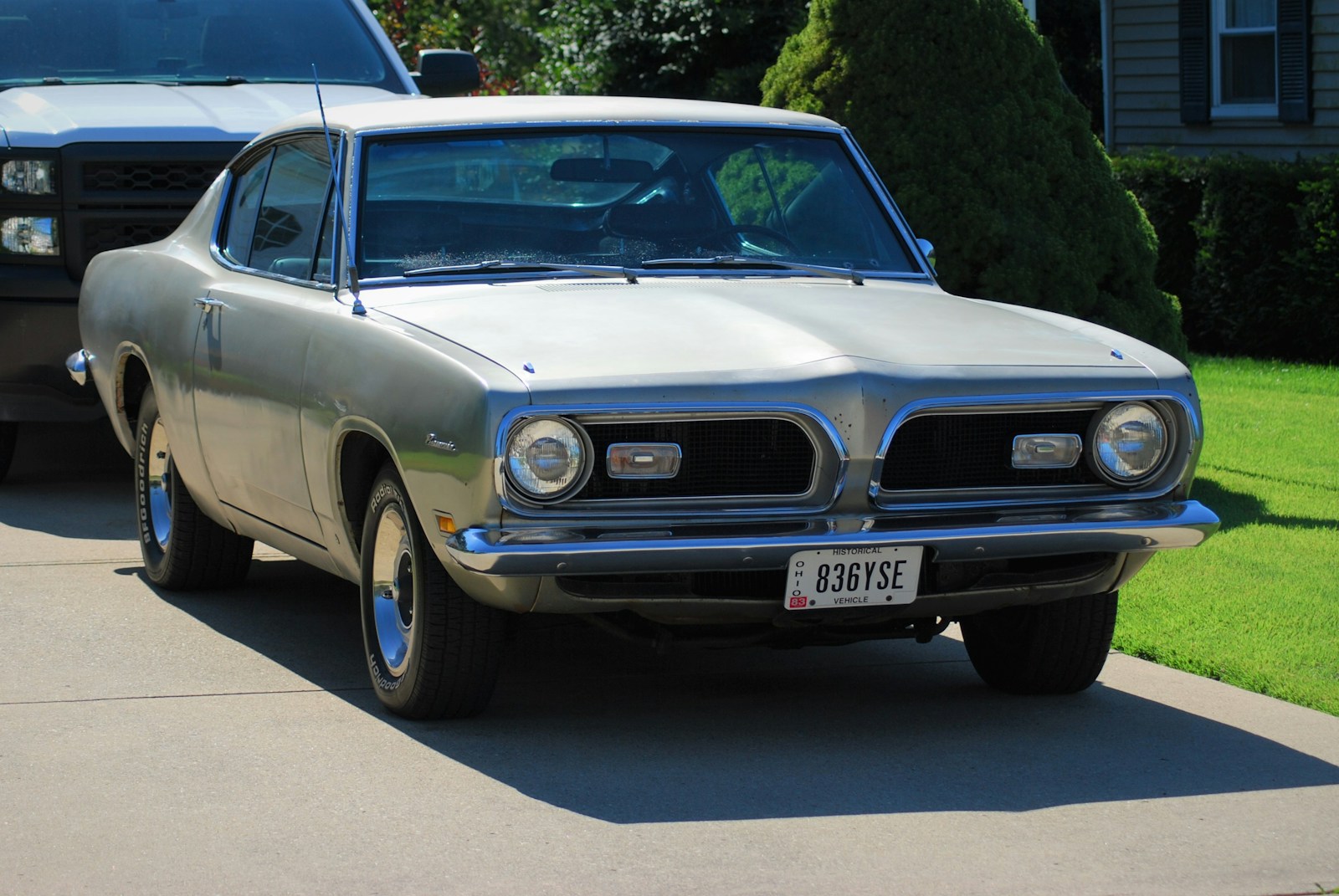

They’d been picking at the 1969 coupe for months, the way these projects always go: a little teardown after dinner, a little parts-ordering during lunch breaks, a lot of standing around in the garage pretending to “think” while actually just enjoying being in the same space. The father had done this kind of thing back when he was younger, at least according to the stories, and the son had grown up hearing them like family mythology.
This weekend was supposed to be a milestone. Engine out, bay cleaned, new mounts and headers mocked up, maybe even time to roll the long block onto a stand and take a victory photo before the inevitable “while we’re in here” spiral started again. They’d rented a cherry picker from the local tool place and dragged it home in the back of a friend’s truck, feeling pretty confident about the whole thing.
The coupe sat nose-in, centered in the garage like it owned the place. The dad kept saying how nice it was that the concrete was level and the lighting was good, like that mattered more than it actually did. The son had a phone on the workbench with a video paused on “how to pull an engine solo,” because of course he did, and the dad kept glancing at it like it was an insult.
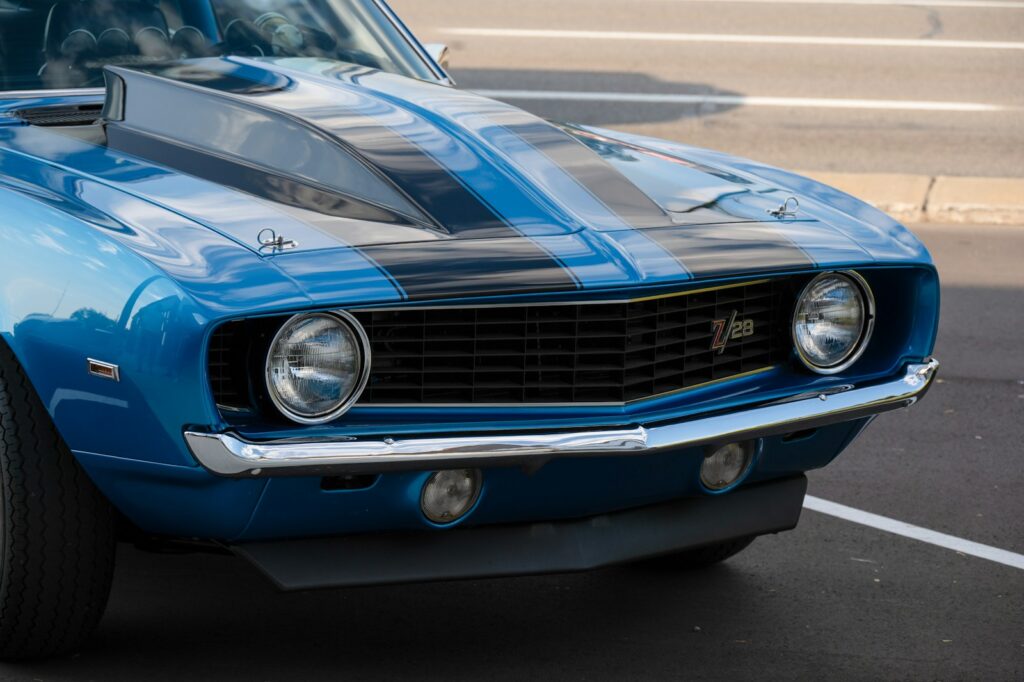
The setup: “It’ll be fine, we’ve got it.”
They did all the normal prep. Hood off and leaned carefully against the wall with a moving blanket under it, radiator out, hoses dangling, wiring tagged with blue painter’s tape in handwriting that got sloppier as the night went on. The dad was the one insisting on labeling everything, and the son was the one rolling his eyes while still doing it.
By mid-morning, the engine was down to the basic lift points. They ran chains to the intake, double-checked the bolts, and argued about whether the grade markings mattered. The dad said, “People have done this with way sketchier setups,” and the son said, “Yeah, and people have also dropped engines on themselves,” which got a look that could’ve started a campfire.
The hoist itself was the wildcard, and everyone in the garage knew it even if nobody said it. It was a rental, it had the usual scratches and chipped paint, and it came with a hook that looked like it had lived a long life. The son asked if they should swap it for a better one, and the dad just tapped it with a finger like he could diagnose metal fatigue by feel.
First lift: the small victories before the big problem
The first inch off the mounts felt like a win. The dad worked the pump handle while the son watched clearances, both of them doing that half-squat, half-lean posture that garage work forces on you. The engine rose reluctantly, then smoother, and the whole front end of the car seemed to exhale.
They inched it up and forward, trying to clear the firewall without scuffing anything. The son kept calling out, “Stop, stop,” and the dad would stop, then immediately start again with a little extra pump like he was trying to prove the engine wasn’t in charge. When it finally cleared enough that they could see daylight between the oil pan and the K-member, the mood shifted—less tense, more triumphant.
That’s when the dad started talking faster. He was already planning the next steps out loud: roll the hoist back, swing it over, set it on the stand, grab lunch. The son was still watching the chain angle and the hook, because that’s where his eyes kept returning, like his brain was trying to tell him something before it had the words.
The hook: the moment nobody forgets
It happened at full lift, right when the engine was high enough that both of them relaxed a fraction. The son noticed first—because he was staring right at it—that the hoist hook didn’t look like a “C” anymore. It looked like a “C” that had started to yawn.
He said something like, “Uh, Dad?” in a voice that didn’t match the moment, and the dad didn’t even look up at first. He gave the handle one more small pump, and that tiny additional load was all it took for the hook’s throat to open a few more millimeters. The metal didn’t snap dramatically; it just… uncurled, slowly, like it had been waiting for permission.
The chain slipped, the hook let go, and the long block dropped straight down. There was a sharp, heavy impact that made the entire front suspension shudder, followed by a quick, ugly clatter of loose hardware jumping and settling. For a split second, nobody moved—like their brains were trying to rewind what they’d just seen and failing.
The son instinctively stepped back so hard he bumped into the workbench, knocking over a cup of bolts. The dad just stood there with the pump handle in his hand, staring at the empty hook like it had personally betrayed him. Then he looked down at the engine sitting crooked on the K-member and made a sound that wasn’t a word.
Damage control: the bell housing tells the real story
At first, they were weirdly hopeful. The engine hadn’t crashed all the way to the floor; it had landed on the K-member like a brutal catch. The son said, “Maybe it’s okay,” because denial is automatic when you don’t want to start tallying costs.
The dad crouched and ran a hand along the oil pan, checking for a puncture. No visible gash, no fresh puddle, which felt like a miracle. Then the son leaned in from the side and saw the bell housing—split clean, like it had been hit with a wedge.
It wasn’t a hairline crack, either. The bell housing had cracked in half in a way that made it obvious the transmission had taken a nasty shock. The son said, quietly, “That’s… bad,” and the dad responded with a quick, sharp “Yeah,” the kind that signals he’s trying not to explode in his own garage.
They both went silent and started doing those little, frantic micro-tasks people do when they’re stressed: picking up dropped bolts, straightening a tool, wiping hands on a rag that’s already filthy. The son kept looking at the hook, then at the engine, then back at the hook, like the sequence might change if he watched it enough times. The dad finally set the pump handle down a little too hard and walked out to the driveway without saying where he was going.
The argument: blame doesn’t need an invitation
When he came back, he wasn’t calmer—just more contained. He had his phone out, already pulling up the rental place’s number, and the son thought that meant they were going to deal with it like adults. Then the dad said, “This is what happens when you don’t trust the process,” which made no sense and somehow made perfect sense, because it was really about pride.
The son snapped back that he’d literally asked to replace the hook, and the dad shot him a look that said, don’t you dare say ‘I told you so’, even though the words weren’t that. The dad started listing all the things they’d done right, like a checklist could undo physics. The son, meanwhile, pointed at the hook and said, “That thing was bent before we even started,” and the dad replied, “Then why didn’t you stop it?” as if a 19-year-old is supposed to veto a lifetime of “I’ve done this before.”
It wasn’t a screaming match, not at first. It was the kind of argument where every sentence is clipped, every pause is loaded, and neither person is actually talking about the hook anymore. The dad was furious at the wasted time and the hit to his confidence; the son was furious that caution had been treated like disrespect.
They circled the car like two people inspecting a crime scene, both of them trying to find a version of events where they weren’t responsible. The dad kept muttering about “cheap equipment,” while the son kept repeating, “We should’ve swapped it,” like repetition could turn frustration into proof. Somewhere in the middle of it, the dad admitted, quietly, that he’d felt the hook flex earlier and decided it was “probably fine,” and that was the sentence that changed the room temperature.
The engine stayed there on the K-member, awkward and heavy, like a punishment neither of them could lift yet—literally or emotionally. The dad still wanted to call the rental place and raise hell, and the son still wanted to document everything like an insurance claim, and neither plan addressed the real problem: they had to keep working together after this. The worst part wasn’t the cracked bell housing or the ruined momentum; it was the way both of them now knew, in their gut, that the next time someone says “it’ll be fine,” it won’t land the same way.
More from Steel Horse Rides: